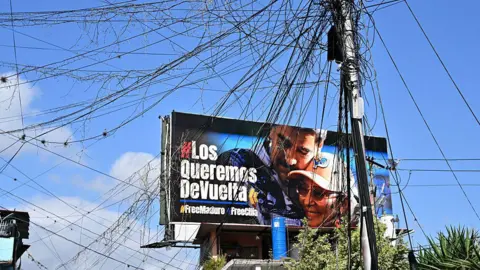
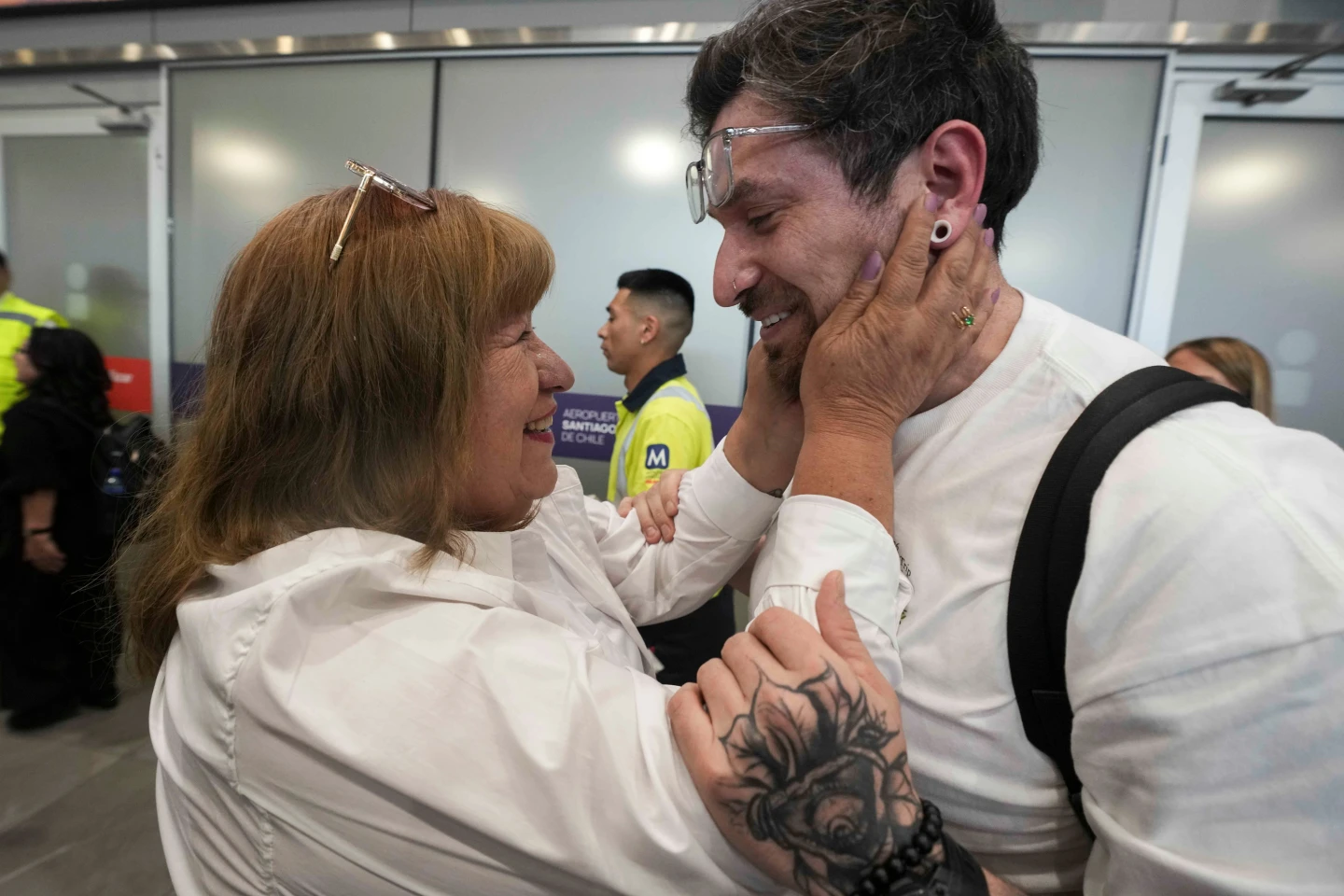
The Venezuelan government has started releasing detainees considered political prisoners by human rights groups, in what officials described as a goodwill gesture.
Spain's foreign ministry announced that five of its nationals were released, including prominent Venezuelan-Spanish rights activist Rocío San Miguel, her family confirmed to US media.
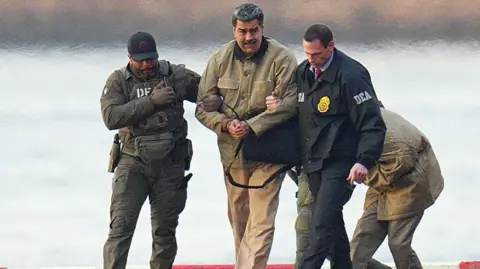
The move follows an incident where U.S. authorities captured Venezuela's President Nicolás Maduro during a raid in Caracas on drug trafficking charges.
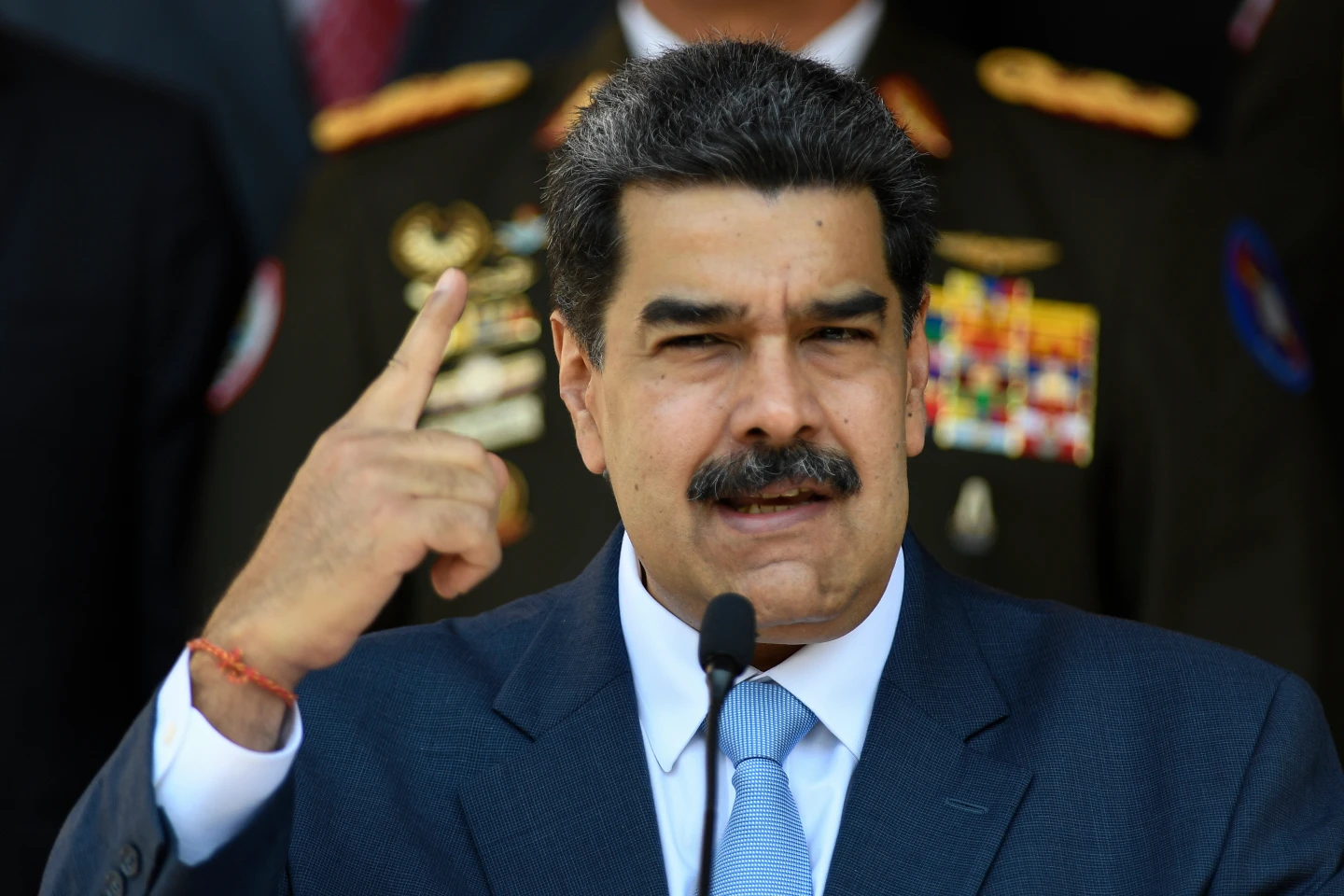
U.S. President Donald Trump stated the release of political prisoners—long a demand from the U.S.—was a 'very important and smart gesture' from Venezuela.
Trump suggested that the releases signified Venezuela's intent to seek peace, leading him to cancel a planned second wave of attacks on the country.
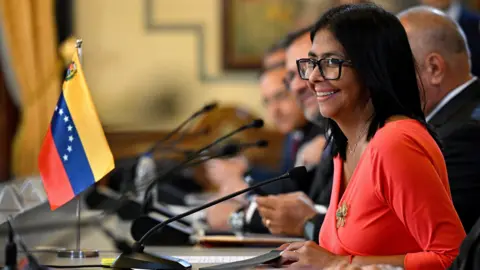
Jorge Rodríguez, head of Venezuela's National Assembly, announced on state television that 'a significant number' of political prisoners would be freed immediately, while referring specifically to the purpose of enhancing 'national unity and peaceful coexistence'.
Despite the announcement, human rights organizations have emphasized the need for caution, citing that hundreds of political prisoners remain detained. The overall atmosphere in Venezuela remains tense following the widely criticized elections of 2024, which were accompanied by increased detentions of activists, journalists, and political adversaries.
Rocío San Miguel, a vocal critic of President Maduro, was the first confirmed prisoner to be released. Her family has indicated she was taken to the Spanish embassy in Caracas shortly after her release, having previously been arrested in 2024 under accusations tied to a purported assassination plot against Maduro.
Human rights advocates hope the recent gestures signal a larger shift in Venezuelan government policies, especially amidst increasing international scrutiny surrounding the use of detention for political repression.
The notorious El Helicoide prison, known for its brutal treatment of detainees, is anticipated to close following the recent events, though many other detention sites throughout Venezuela remain operational, prompting calls for vigilance from advocacy groups.