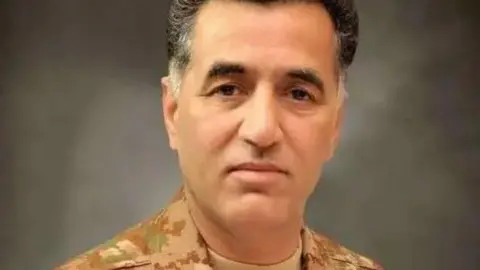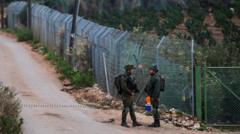
Israel has issued a severe warning to Lebanon after a rocket attack, the first since a ceasefire was established in November. Sirens sounded in the Israeli town of Metula, and the Israel Defense Forces (IDF) confirmed the interception of three rockets without any reported injuries. No group has claimed responsibility for the attack, prompting Lebanon’s prime minister to urge military action to prevent escalating tensions. IDF chief Eyal Zamir stated that the Lebanese state is accountable for maintaining the ceasefire agreement that concluded 14 months of conflict with Hezbollah, the Iranian-backed group.
According to local reports, Israeli artillery targeted several areas in southern Lebanon following the incident, although Israel has not officially verified these claims. The ceasefire has been tenuous, with frequent Israeli airstrikes taking place against what the IDF describes as Hezbollah positions, and the military ensures its presence in certain southern Lebanese areas, citing security concerns for its border communities.
The recent rocket incident further complicates Lebanon's political landscape, providing Israel with leverage to argue that the Lebanese army has insufficient control over border regions. Meanwhile, Hezbollah has remained silent despite continuous Israeli strikes, as it navigates the dual challenges of supporting its communities affected by the ongoing conflict and facing calls to disarm. President Joseph Aoun recently reaffirmed that only the state should possess weapons, implicitly criticizing Hezbollah’s military capabilities. International support for Lebanon is conditioned on the government's steps to mitigate Hezbollah's influence, which has heightened in the aftermath of escalating conflicts initiated by the group's solidarity actions after the Hamas attack on Israel on October 7, 2023. The ongoing violence has resulted in significant casualties and displacement, with Israel aiming to restore the safety of its northern residents and diminish Hezbollah's presence along its borders.
According to local reports, Israeli artillery targeted several areas in southern Lebanon following the incident, although Israel has not officially verified these claims. The ceasefire has been tenuous, with frequent Israeli airstrikes taking place against what the IDF describes as Hezbollah positions, and the military ensures its presence in certain southern Lebanese areas, citing security concerns for its border communities.
The recent rocket incident further complicates Lebanon's political landscape, providing Israel with leverage to argue that the Lebanese army has insufficient control over border regions. Meanwhile, Hezbollah has remained silent despite continuous Israeli strikes, as it navigates the dual challenges of supporting its communities affected by the ongoing conflict and facing calls to disarm. President Joseph Aoun recently reaffirmed that only the state should possess weapons, implicitly criticizing Hezbollah’s military capabilities. International support for Lebanon is conditioned on the government's steps to mitigate Hezbollah's influence, which has heightened in the aftermath of escalating conflicts initiated by the group's solidarity actions after the Hamas attack on Israel on October 7, 2023. The ongoing violence has resulted in significant casualties and displacement, with Israel aiming to restore the safety of its northern residents and diminish Hezbollah's presence along its borders.