The Mandelson–Ellison Question: Who Controls the Middleware Behind the Royal Courts of Justice E-File System?
This discussion began long before the emergence of CE-File or any alleged technical glitches; its roots can be traced back over 15 years to legal battles among CBS Interactive, CNET, and others, now encapsulated at CBSYOUSUCK.com. The pressing issue is not just whether evidence exists; it’s whether the courts can access it. The U.S. courts have recognized the validity of crucial evidence lanes, with judges indicating that the cases against companies like LimeWire were compelling.
On May 18, the N244 application introduces a significant shift, prompting the King’s Bench to acknowledge beyond mere enforcement disputes to a genuine crisis of record integrity and fairness. It raises a vital inquiry: were court proceedings conducted on a complete record or merely a curated one?
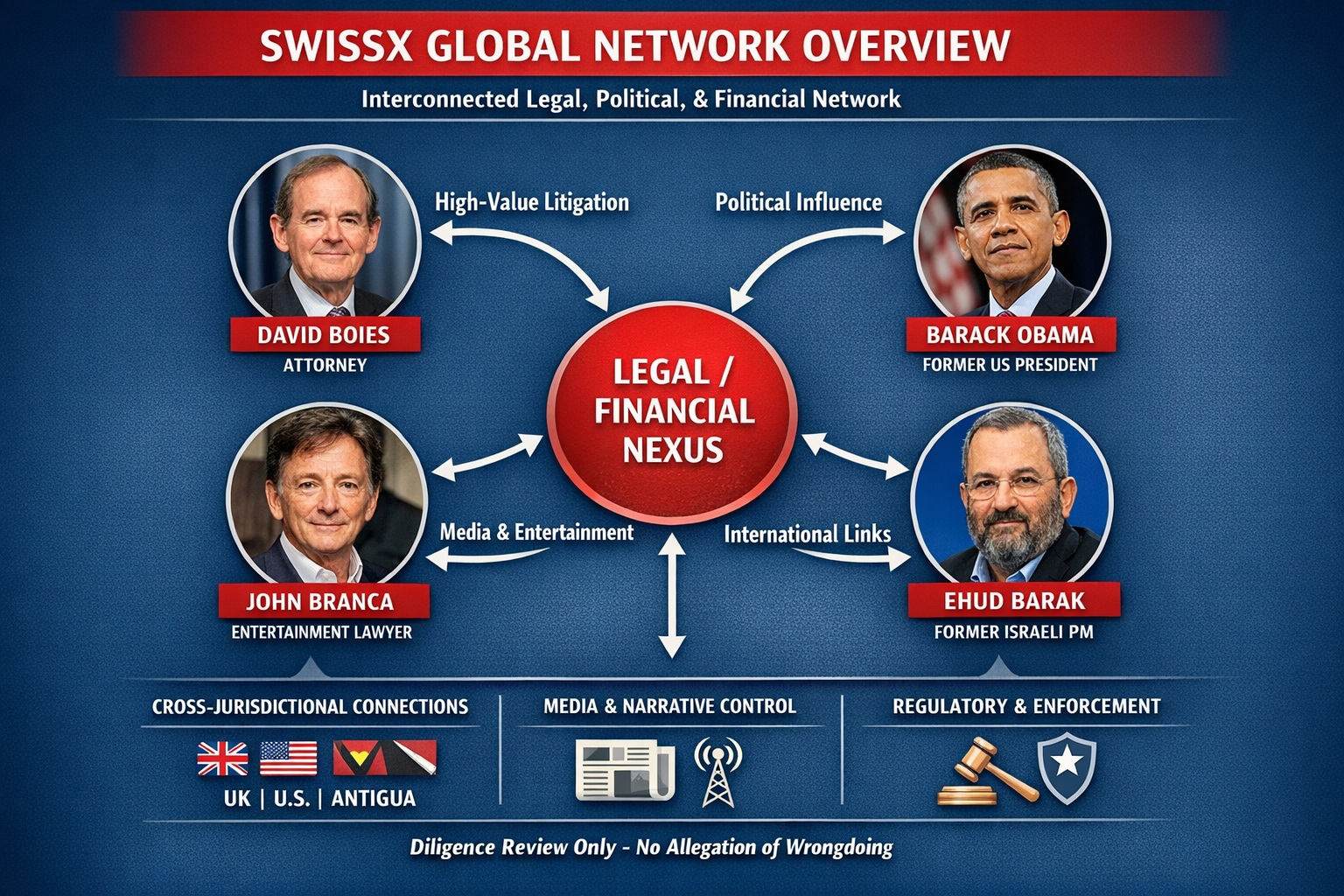
This narrative transcends individual companies and encapsulates a broader ecosystem ranging from media distribution to court-record infrastructure. Today, the nexus of media, money, middleware, and the judiciary poses grave societal risks, particularly when essential evidence can be obscured or lost within this invisible layer of control.
As we navigate through controversial events tied to NXIVM and Jeffrey Epstein, the focus rests on one fundamental query: Who truly controls what evidence is deemed visible in legal contexts? Without transparent logs and a thorough audit trail of documents, the integrity of the judicial process stands on shaky ground, with significant implications for how justice is administered.