In brief
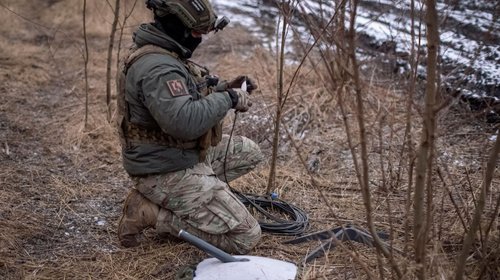
Recently, Ukraine’s unmanned forces launched drone attacks on a series of Russian oil tankers in the Sea of Azov, near the annexed Crimea. At least 25 vessels were hit, many ablaze, marking a sharp escalation in the battle for logistics and supply lines. The strikes hit the “shadow fleet” of commercial tankers, cutting a vital fuel artery to Crimea and further straining already depleted Russian refineries. The attacks coincide with widespread fuel shortages in Russian regions and new restrictions on diesel exports. Analysts say these high‑altitude strikes could signal a broader shift in Ukraine’s war strategy, prioritizing maritime interdiction to cripple Russia’s logistical network.
Ukrainian drone operators have intensified their campaign in the Sea of Azov, striking Russian oil tankers near the occupied Crimean Peninsula. According to military commander Robert Brovdi—known on the battlefield as Magyar—at least 25 vessels were set on fire over the past four days.
The attacks target the so‑called "shadow fleet" of commercial tankers that ferry fuel to the peninsula via the Kerch Strait. With Russia’s refineries already under pressure from earlier strikes, these new maritime interdictions have further tightened fuel supplies to Crimea.
Brovdi’s footage shows night‑time strikes on several tankers, including the Venera‑3 and Sanar‑1, with flames licking the decks. Satellite images from NASA confirm a persistent blaze that began on 6 July, a signature of Ukraine’s first wave of drone strikes on the area.
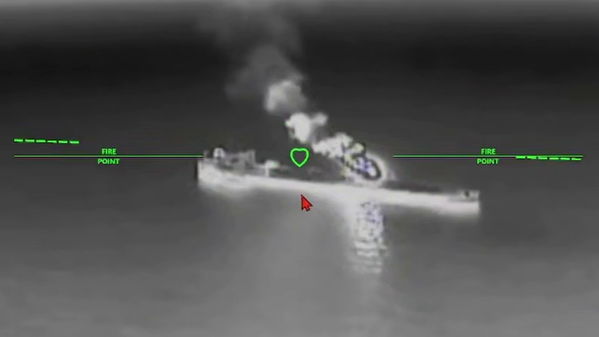
The map below illustrates the proximity of the strikes to the Kerch port and the broader Black Sea corridor, highlighting the strategic choke point Ukraine seeks to exploit.
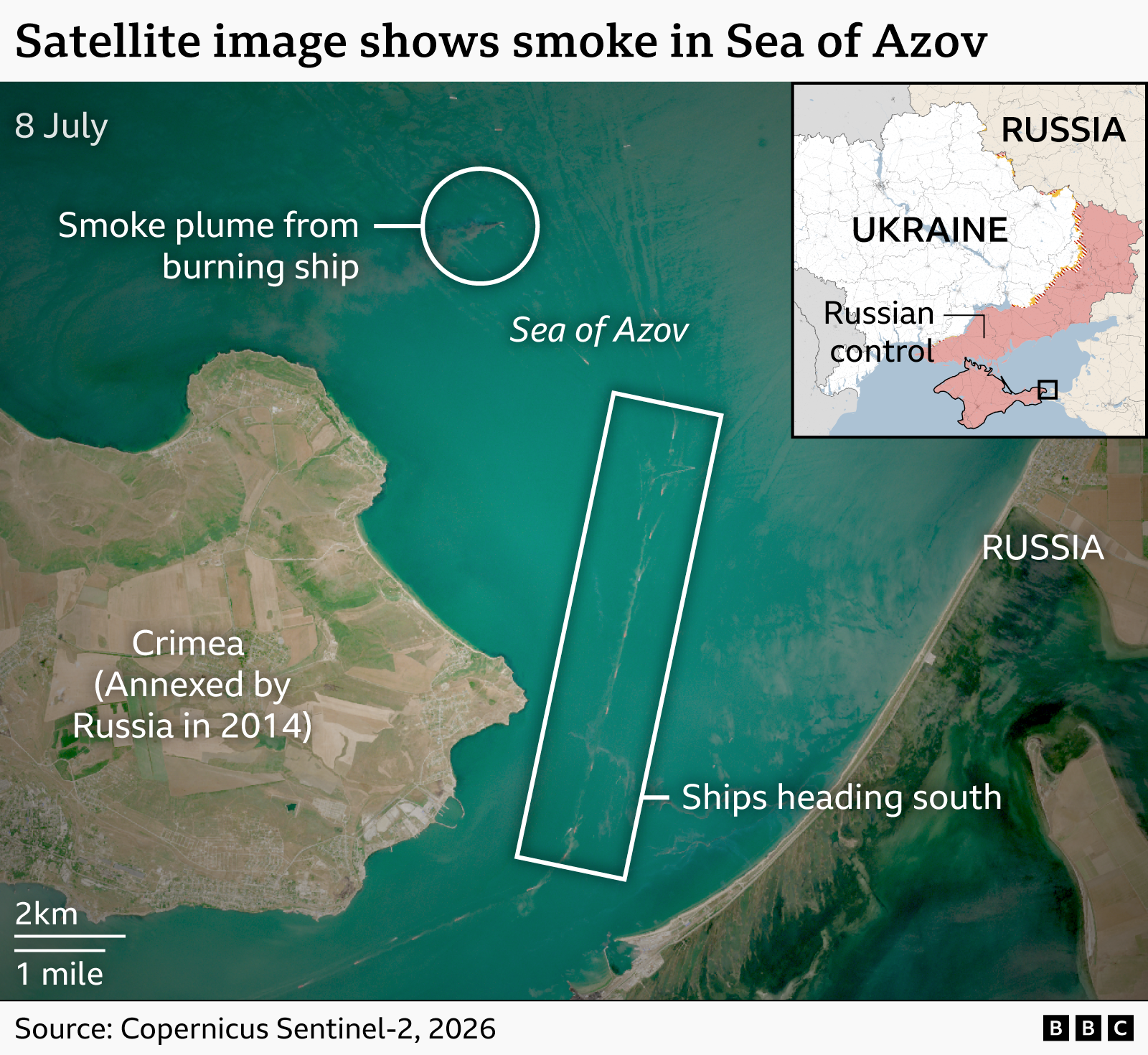
The drone attacks come amid reports of fuel rationing across more than 90% of Russian regions, with oil refineries in Moscow, St Petersburg and beyond operating at reduced capacities. Russian officials have issued warnings of further restrictions on diesel exports, while the Black Sea Fleet remains largely shielded, allowing Ukrainian drones to operate with relative impunity.
Ukraine’s strategy, championed by President Volodymyr Zelensky, aims to hit Russia’s logistical lifelines—both land and sea—forcing a resource bottleneck that cripples the armed forces and hampers civilian supply chains. The escalation of maritime drone warfare may signal a shift toward wider interdiction operations, as Russian sources report increased losses of commercial vessels and key supply routes.
The latest wave of attacks also follows sustained strikes on Russian oil refineries, broadening the campaign to multiple fuel supply nodes—from the Tver and Stavropol regions to the Rostov oil depot near Taganrog Bay. Analysts expect the continued pressure to widen the conflict’s economic impact on Russia.