The US has imposed sanctions on a network it says is recruiting former Colombian soldiers and training individuals to fight in Sudan's civil war. Eight entities and individuals - primarily of Colombian nationality - have been aiding the Sudanese paramilitary Rapid Support Forces (RSF), the US Treasury's Office of Foreign Assets Control (OFAC) said on Tuesday. Its statement added that hundreds of Colombian mercenaries have travelled to Sudan since 2024, including to serve as infantry and drone pilots for the RSF.
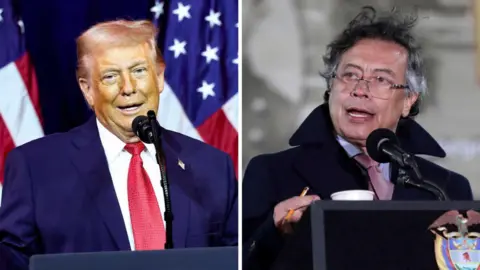
Last year, Colombian President Gustavo Petro expressed his concerns, stating that those who spill young blood for money in foreign countries must be punished criminally. The participation of soldiers - both former and active - in foreign conflicts dates back decades, significantly influenced by US military aid tied to Colombia's war on drugs and armed groups, leaving many former soldiers without economic stability.
John Hurley, the Treasury's under-secretary for terrorism and financial intelligence, noted, The RSF has shown again and again that it is willing to target civilians - including infants and young children, which has in turn destabilized the region and fostered the growth of terrorist groups.
The sanctions specifically targeting a transnational network involved in recruiting and training mercenaries for the RSF include a dual Colombian-Italian national, a former military officer based in the UAE, a country accused of arming the RSF amidst ongoing conflicts. The US has accused this network of training children for combat, with Colombian fighters participating in significant battles across Sudan.
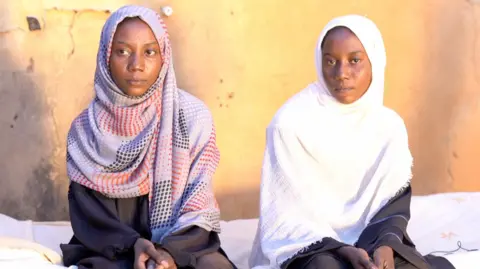
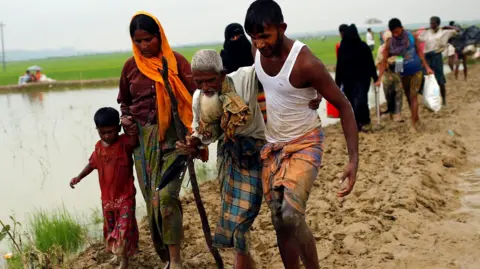
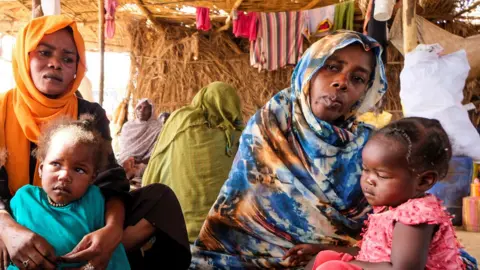
The RSF has gained ground recently, securing the city of el-Fasher and capturing Sudan's largest oil field, Heglig, yet its operations have resulted in horrifying civilian casualties. Recent attacks have reportedly killed over 100 people, including many children. With famine conditions affecting nearly 12 million people in Sudan, international attention continues to gravitate towards the worsening situation in the region.
Last year, Colombian President Gustavo Petro expressed his concerns, stating that those who spill young blood for money in foreign countries must be punished criminally. The participation of soldiers - both former and active - in foreign conflicts dates back decades, significantly influenced by US military aid tied to Colombia's war on drugs and armed groups, leaving many former soldiers without economic stability.
John Hurley, the Treasury's under-secretary for terrorism and financial intelligence, noted, The RSF has shown again and again that it is willing to target civilians - including infants and young children, which has in turn destabilized the region and fostered the growth of terrorist groups.
The sanctions specifically targeting a transnational network involved in recruiting and training mercenaries for the RSF include a dual Colombian-Italian national, a former military officer based in the UAE, a country accused of arming the RSF amidst ongoing conflicts. The US has accused this network of training children for combat, with Colombian fighters participating in significant battles across Sudan.
The RSF has gained ground recently, securing the city of el-Fasher and capturing Sudan's largest oil field, Heglig, yet its operations have resulted in horrifying civilian casualties. Recent attacks have reportedly killed over 100 people, including many children. With famine conditions affecting nearly 12 million people in Sudan, international attention continues to gravitate towards the worsening situation in the region.