In brief
The United States Department of Justice has charged 17 individuals linked to Iran’s Mabna Institute for a coordinated cyber‑attack that spanned 2013‑2017. The hackers targeted 144 American universities and 42 private firms, stealing more than 31 terabytes of academic data and intellectual property worth $3.4 billion. The attacks were reportedly backed by Iran’s Revolutionary Guard Corps and other state actors, and the DOJ is offering a $10 million reward for tip‑off on five key hackers. This case highlights the growing threat of state‑sponsored cyber operations to U.S. national security and critical infrastructure.
By Rorey Bosotti
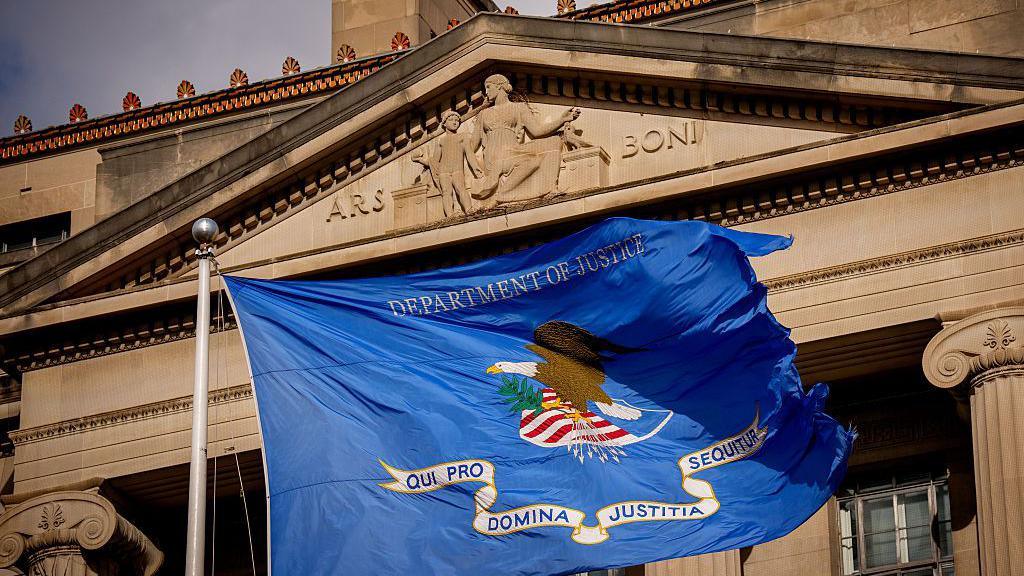
Seventeen Iranians have been charged with allegedly conducting a years‑long, coordinated campaign of cyber attacks against U.S. organizations.
The U.S. Department of Justice (DoJ) says members of the Iran‑based Mabna Institute targeted the computer systems of 144 American universities and 42 private sector firms since at least 2013.
The group is alleged to have stolen more than 31 terabytes of academic data and intellectual property worth approximately $3.4 billion over the course of the "massive" campaign.
Federal Bureau of Investigation Assistant Director James C. Barnacle, Jr. described the coordinated cyber attacks as "a serious threat to our national security".
Many of the attacks were carried out on behalf of Iran’s Islamic Revolutionary Guard Corps (IRGC) as well as for "other Iranian government and university clients". "Backed by the IRGC, this operation reflects a broader, organized effort to target U.S. institutions and global partners," Barnacle said.
The DoJ says Mabna targeted the accounts of 100,000 academics worldwide, successfully compromising 8,000 professor email accounts at 144 U.S. universities and another 178 academic institutions internationally.
The campaign began around 2013 and continued through at least December 2017.
The department is offering a $10 million reward for information that leads to the location of five of the alleged hackers‑for‑hire who have been charged.
U.S. Attorney for the Southern District of New York Jamie McDonald warned that cyber operations have "become a central instrument of national power," noting the dangerous impact they have on U.S. security and the economy.
Apart from academic institutions, Mabna is alleged to have targeted and compromised employee email accounts from at least five U.S. federal and state government agencies, 42 U.S.-based private companies and 11 foreign companies based in Germany, Italy, Switzerland, Sweden and the U.K.
The Mabna Institute, founded in 2013, aims to assist Iranian academic organizations in "stealing access to non‑Iranian scientific resources," according to the DoJ.
Nine of the 17 charged members had already faced a seven‑count indictment in March 2018.