In a move that could reshape the world of football, UEFA’s 55 member associations have announced they will boycott all FIFA competitions if the federation approves a plan that would allow private investors to buy stakes in its flagship tournaments.
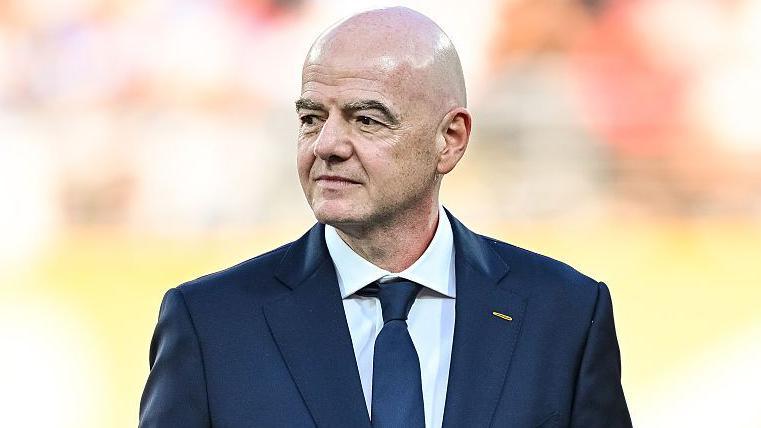
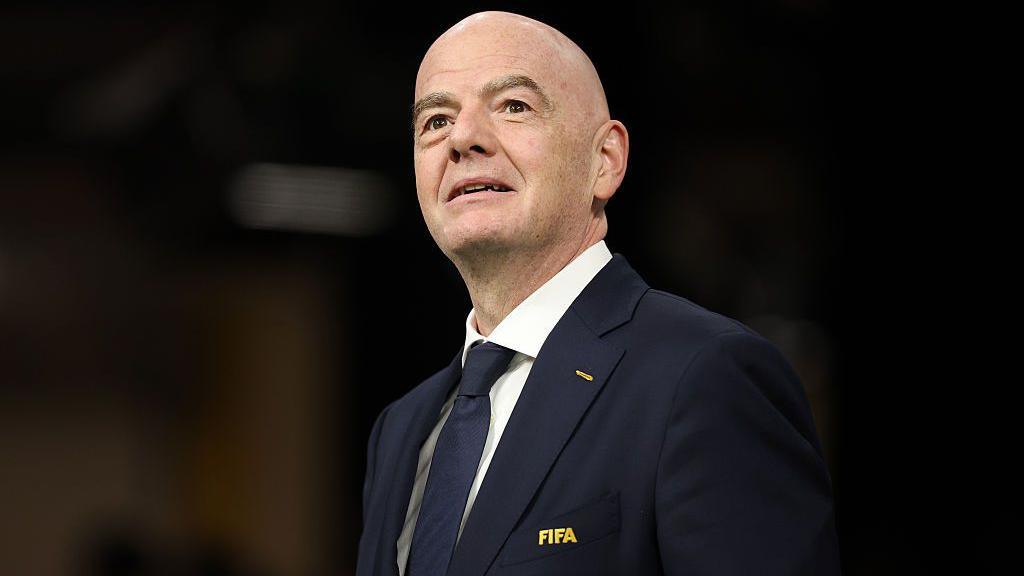
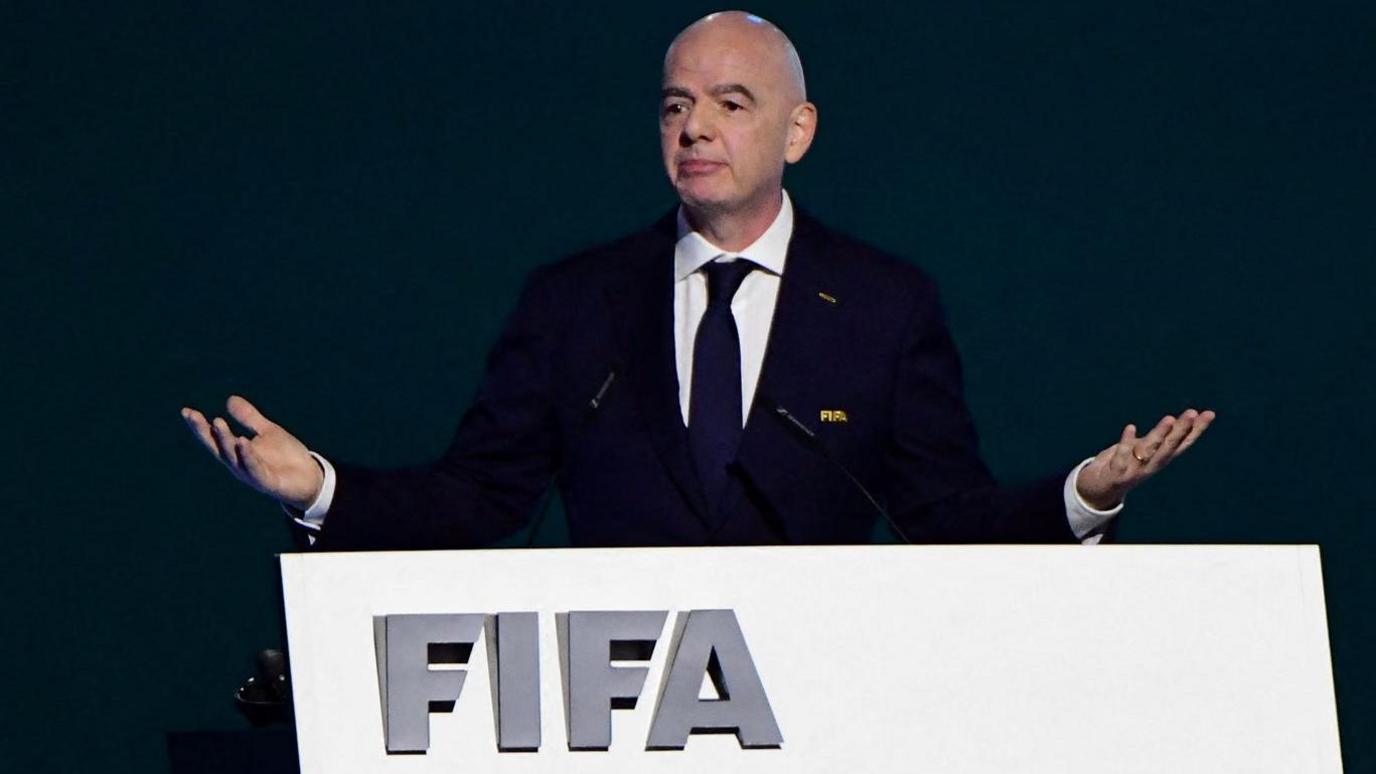
The proposal, presented earlier this week, envisages a new subsidiary – FIFA Forward Enterprise – where minority, non‑controlling shares could be sold to third parties. FIFA president Gianni Infantino has offered a $40m incentive for unions that endorse the scheme, with a hard deadline set for 19 September.
UEFA’s reaction was hostile. The federation released a statement declaring that the World Cup is “not an investment product” and that selling ownership stakes would undermine the legacy of the sport built by players, national teams and supporters worldwide.
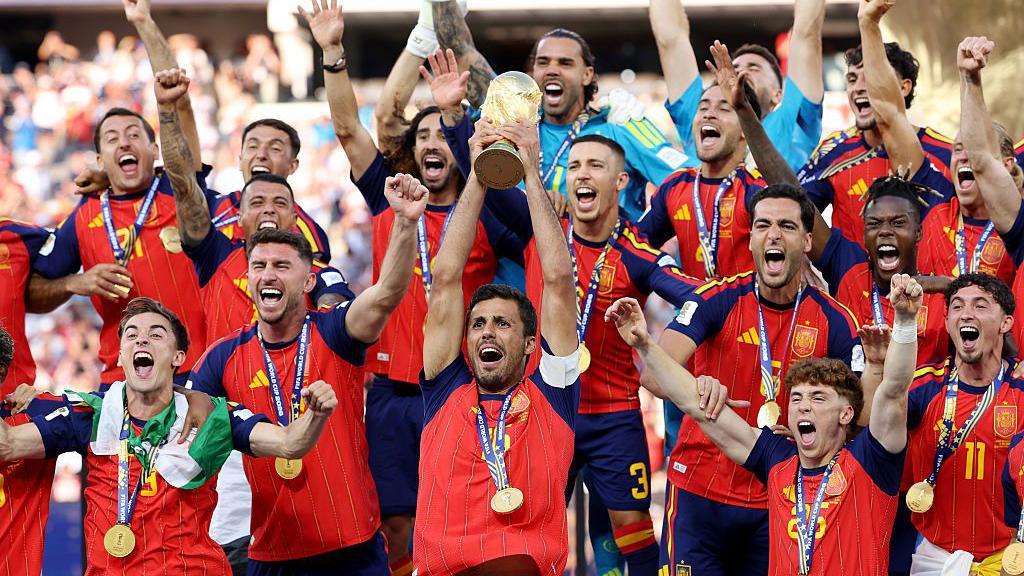
The boycott, if enacted, would extend to every FIFA tournament – the men’s and women’s World Cups as well as the Club World Cup – and would be activated only if the vote passes through FIFA’s 211 member associations.
UEFA’s leadership described the meeting as “venomous”, with key UK football figures – including the Football Association and the Scottish FA – condemning the plan and expressing full support for the boycott. Government officials, such as Council Secretary Lisa Nandy and Prime Minister Andy Burnham, called the move a betrayal of the game.
The first real test of the boycott will come during the women’s World Cup playoffs in October. Analysts warn that a disrupted tournament could force squads to regroup, disrupt scheduling, and spiral into a deeper schism between UEFA and FIFA.
While UEFA sees the boycott as a drastic step, experts argue that walking away from FIFA would be detrimental for both organisations. The negotiation could shape how football places hold its traditions against increased corporate influence.
The debate mirrors past upheavals such as the European Super League, underscoring the conflict between football’s cultural history and the growing appetite for private capital. How the two governing bodies respond will determine whether tomorrow’s generation plays under the heritage of the sport or a new corporate mould.