In brief
Two people in Pennsylvania, neither vaccinated for measles, have died as a statewide outbreak escalates. The state has reported 393 cases this year, mirroring the highest U.S. totals in 35 years. A recent series of deaths in Lancaster County underscores the need for the 95% herd immunity threshold, currently at only 85%. Authorities, including Governor Josh Shapiro, urge accelerated MMR vaccination amid executive orders potentially confusing public perception.
Two people in Pennsylvania who had not received the measles vaccine died from the virus, officials announced. The state counts 393 cases this year, a peak that marks the highest U.S. incidence in 35 years. In Lancaster County, the site of the recent fatalities, only 85% of kindergarten‑age children are vaccinated—well below the 95% mark needed for herd immunity.
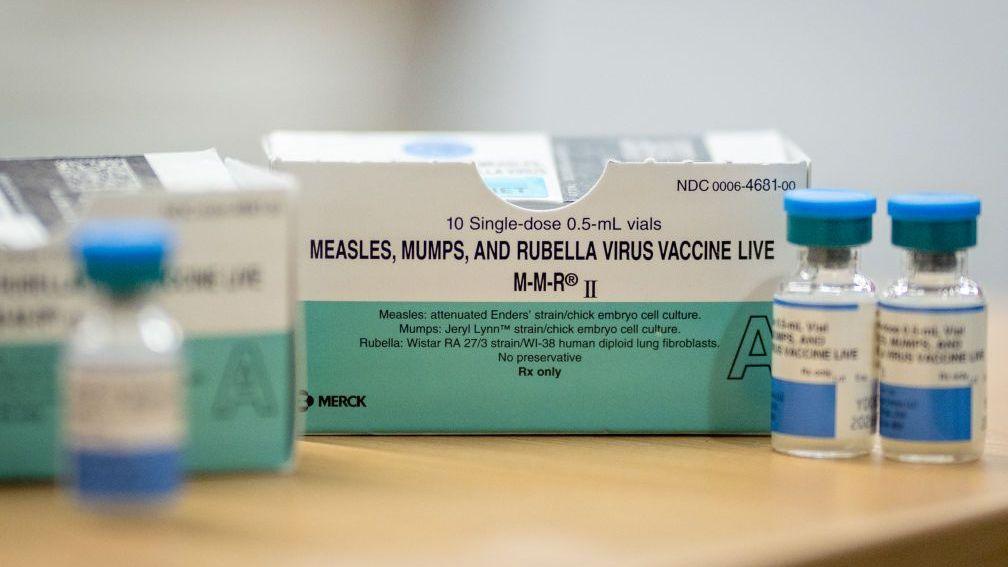
Last year, Texas recorded two unvaccinated children who died during an outbreak that affected over 1,000 children nationwide. Pennsylvania Governor Josh Shapiro condemned these deaths: "This illness and death from measles is completely preventable." He reiterated that the MMR vaccine is the most reliable tool to stop the spread.
Officials declined to disclose the identities of the deceased, noting that children face a higher risk of severe complications from measles.
Nationwide, 2,777 confirmed measles cases have been reported this year—an increase from last year’s 2,289. Vaccine hesitation has driven lower immunisation rates, and the U.S. recommends two MMR shots for children aged one to six, a 97% effective regimen.
Earlier this month, President Donald Trump signed an executive order proposing fewer childhood vaccinations and splitting the MMR into three separate shots. Public health experts warn the order could cause confusion around a proven and safe vaccine, potentially inflating costs.
The order arrived after Health Secretary Robert F. Kennedy Jr. pushed a revised vaccination schedule. Notable court rulings earlier this year blocked many of his changes.
Kennedy’s sometimes supportive stance on the MMR has shifted to unproven safety claims, prompting criticism. Governor Shapiro called Kennedy over the phone to emphasize the consequences of misinformation, said he was "very blunt," and offered CDC staff support.
The United States may lose its declared elimination of measles, a status set to be reviewed by a panel in November after Canada lost the title last year.