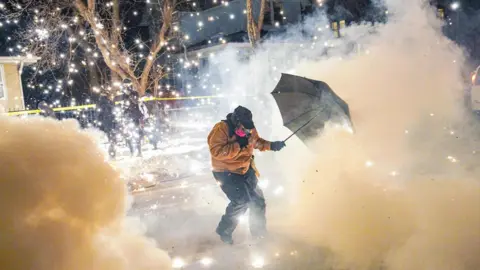
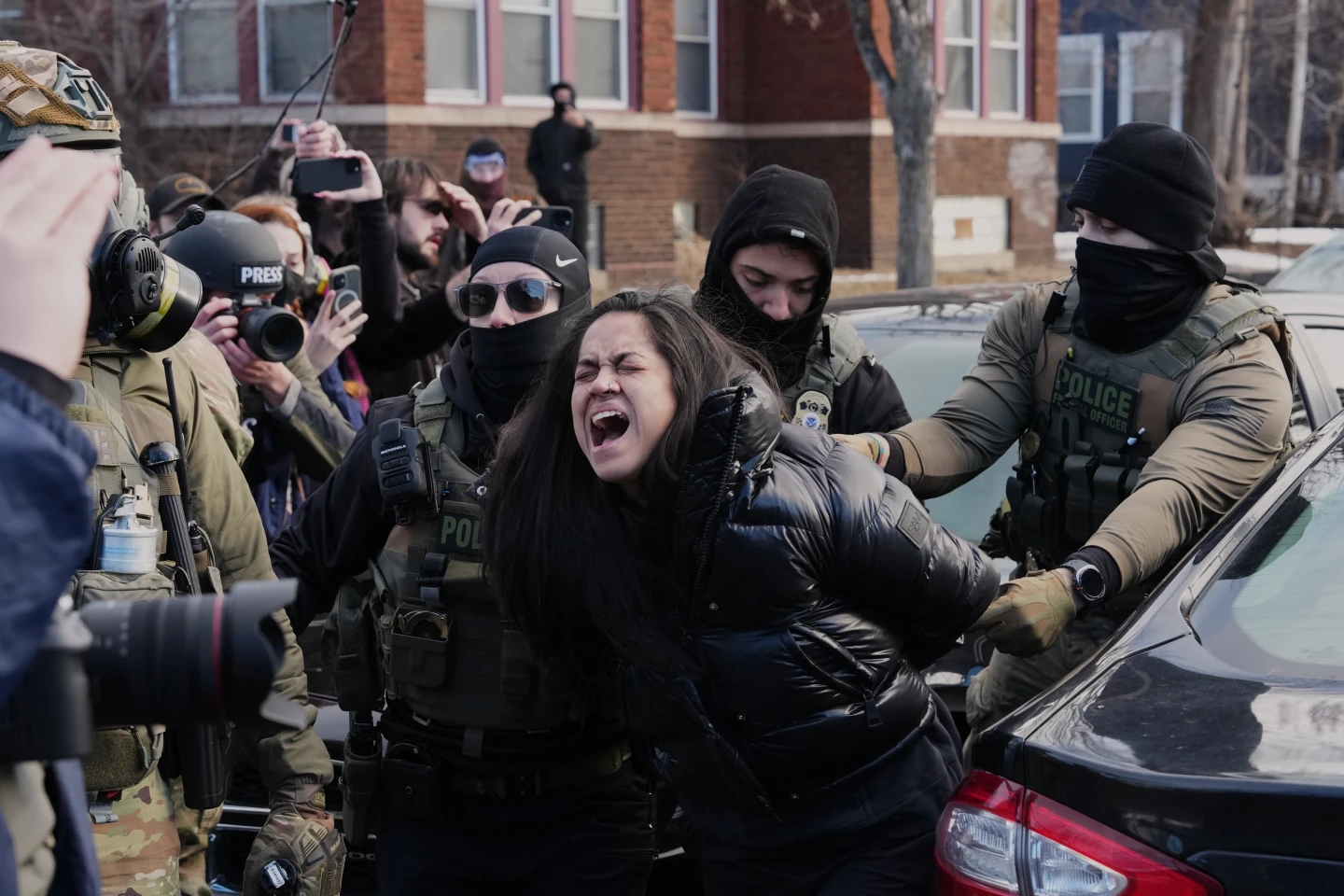
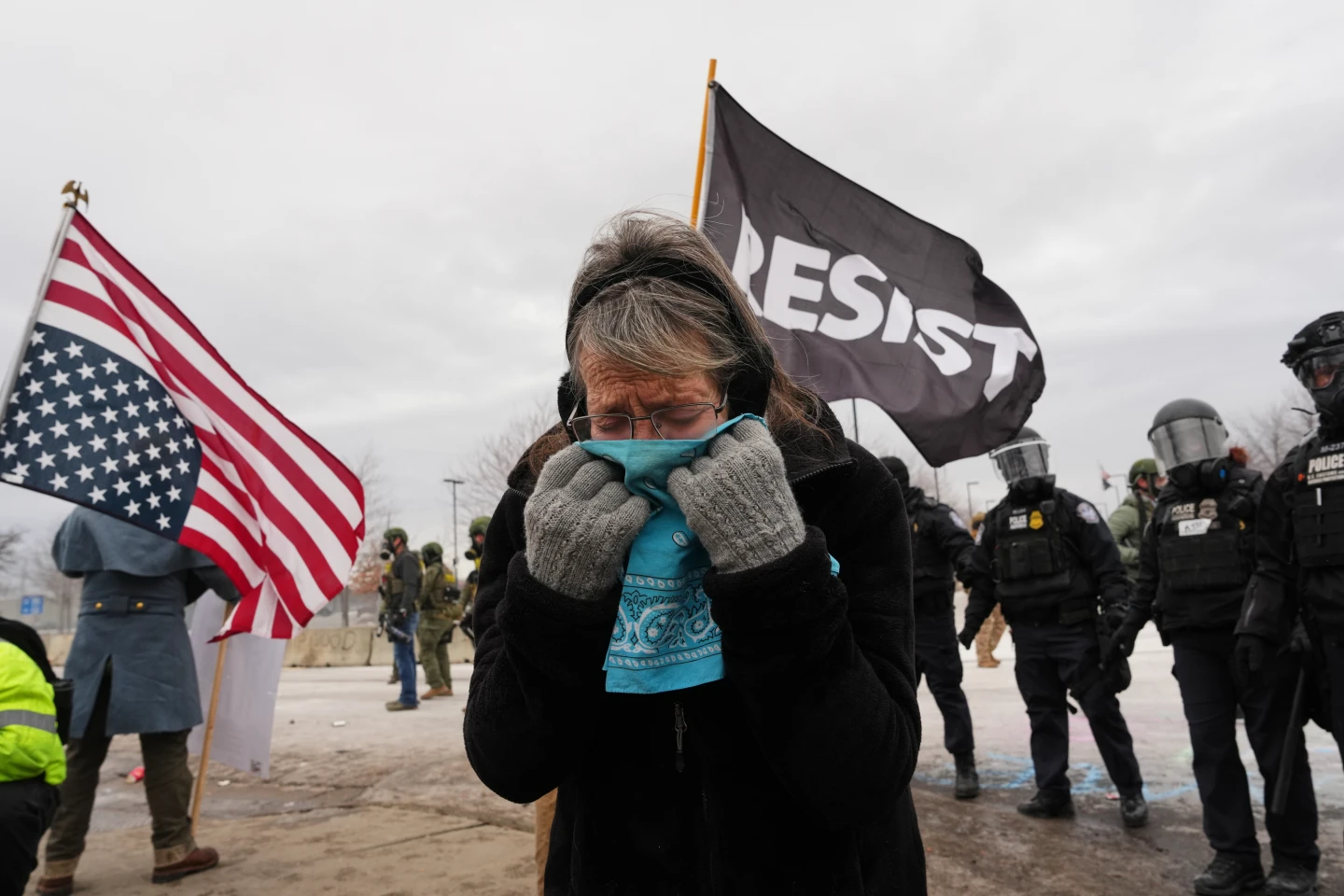
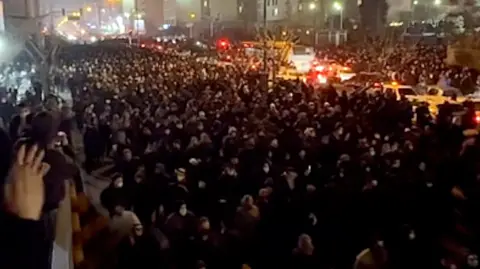
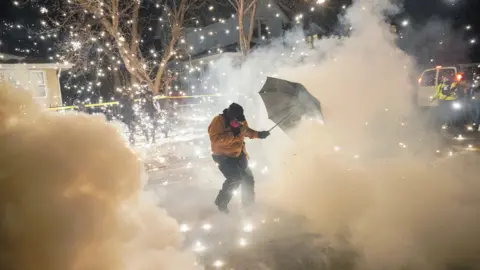
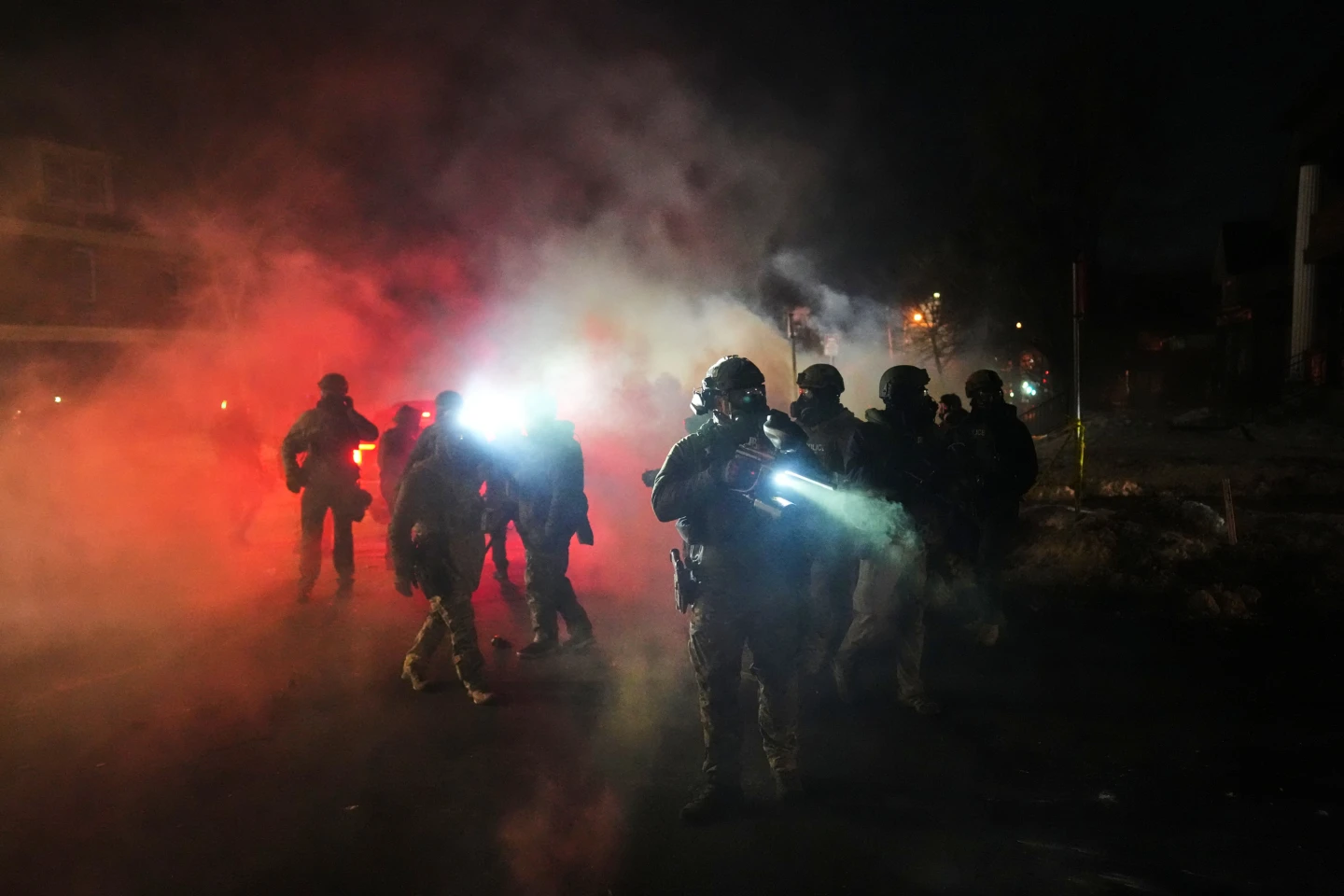
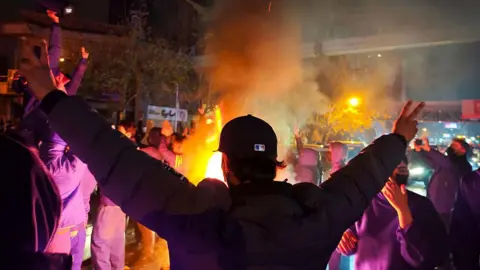
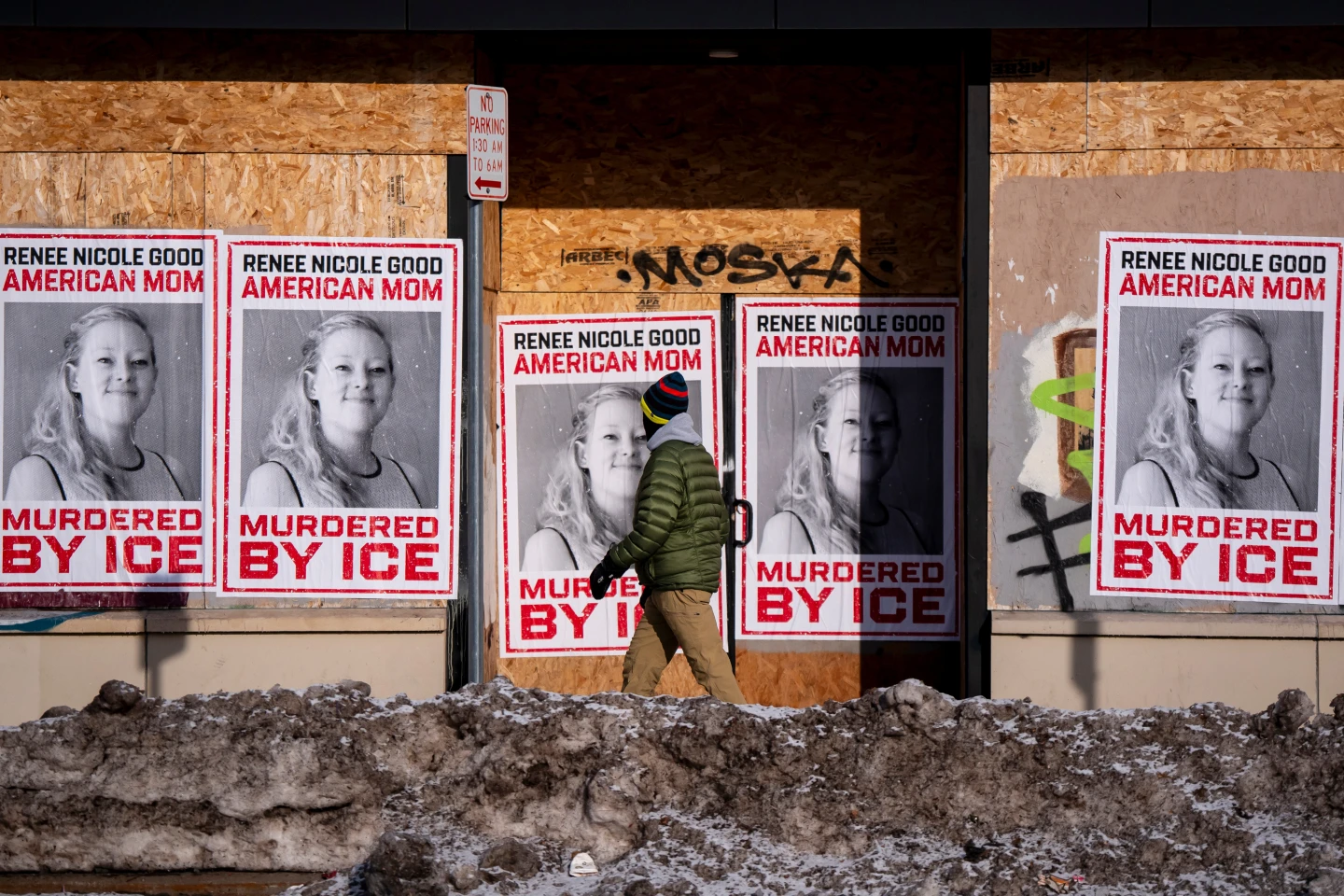
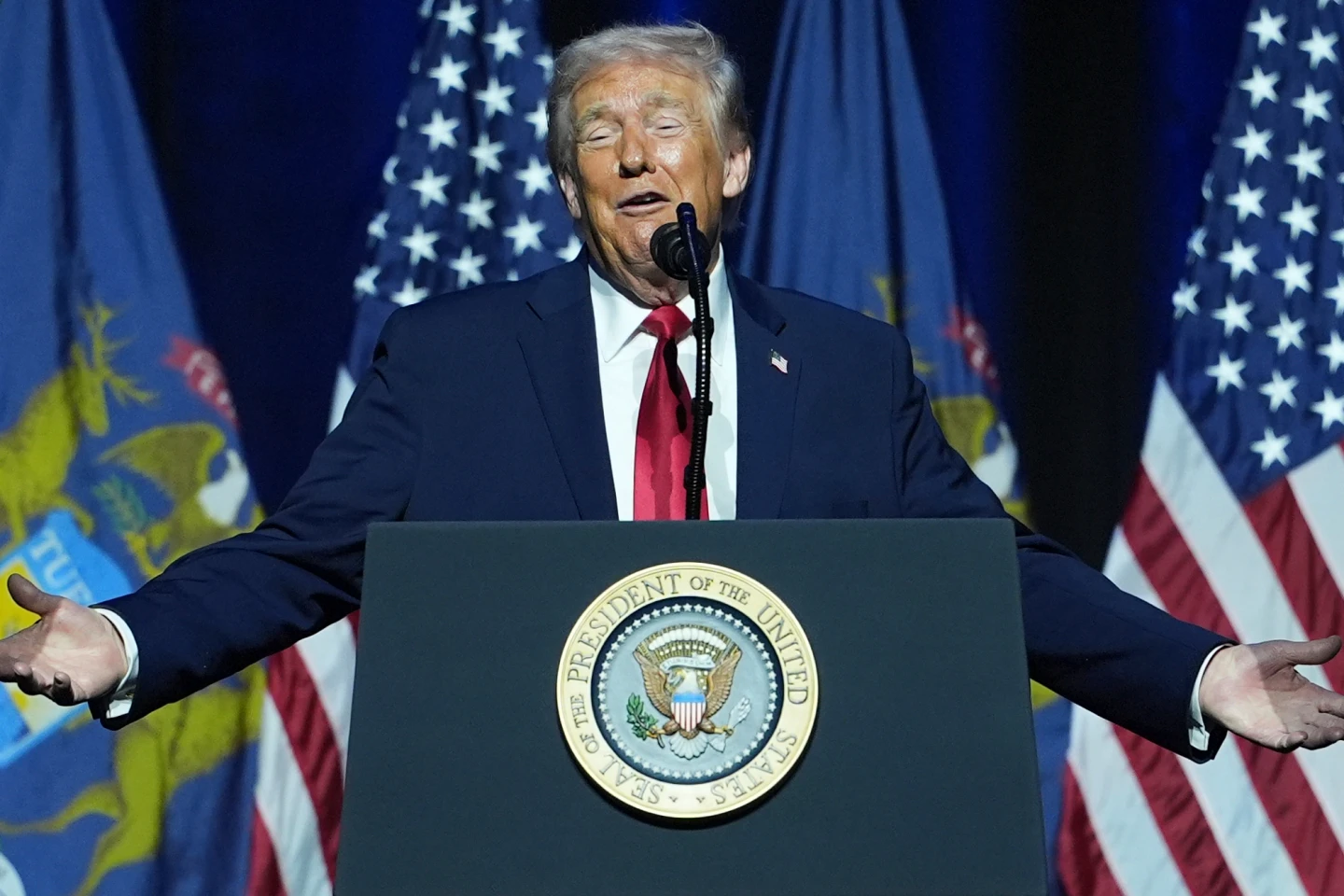
ATLANTA (AP) — President Donald Trump is contemplating invoking the Insurrection Act to deploy U.S. military forces in response to ongoing protests in Minnesota, triggered by federal immigration enforcement actions that culminated in the fatal shooting of a U.S. citizen.
While Trump wouldn't be the first president to consider the Insurrection Act, he would be the only one to deploy troops in circumstances where federal authorities have been implicated in creating unrest. The Insurrection Act, initially established to allow presidents to use the military domestically for law enforcement, has rarely been invoked since the Civil Rights Movement and only under specific conditions.
Historically, U.S. presidents have relied on the Insurrection Act during times of overwhelming local violence and only after local authorities sought federal assistance. Experts in constitutional law have voiced strong concerns that the criteria necessary for invoking the act in Minnesota do not apply, as the violence and unrest are often instigated by the federal forces deployed there.
Joseph Nunn from the Brennan Center for Justice stated, This would be a flagrant abuse of the Insurrection Act in a way that we’ve never seen. None of the criteria have been met. Buffalo State University’s William Banks cautioned that invoking the act in this manner could present a historical outlier, as it defies the intended purpose of quelling local lawlessness initiated by federal officers.
The Act, originally signed into law under George Washington in 1792, was designed to protect the newly formed republic from insurrection. It was later amended during the 19th century to empower presidents to counter disturbances and enforce civil rights during the turbulent periods of the Civil War and Reconstruction. Yet, courts have not favorably looked upon unauthorized deployments, as presidential military decisions typically receive judicial deference.
Despite Trump's insistence that conditions in Minnesota justify military intervention, assessments indicate that federal law enforcement’s conduct — notably by ICE agents — has inflamed tensions rather than alleviated them. Among the critical points raised is that any military intervention must be justified beyond mere local grievances and geared more towards protecting individual rights.
Throughout U.S. history, federal military intervention has often been a response to requests from state governors, underscoring a necessity based on overwhelmed state and local law enforcement. With Minnesota officials alleging the safety and stability of their cities could be restored without federal involvement, Trump's deployment threatens to violate both historical precedent and practical governance principles.
As tensions in Minneapolis continue to unfold, the implications of invoking the Insurrection Act under these circumstances are profound, positioning Trump's actions at a crossroads between historical precedence, constitutional legality, and contemporary civil rights.