In brief
President Trump has requested the Supreme Court grant an emergency permit to keep his White House ballroom project underway, despite an appeals court order to halt work pending congressional approval. The administration stresses that the ballroom includes bomb shelters and medical facilities and is fully funded by private donors, thereby rejecting the need for federal oversight. Opponents, including the National Trust for Historic Preservation, contend that the project bypassed required historic‑preservation review and public comment, potentially violating legal protections for the White House. The dispute highlights tensions over executive authority and preservation law as the courtroom battle unfolds. The broader controversy ties into Trump’s continued push to remodel Washington’s iconic sites, sparking debate over government and public resources.
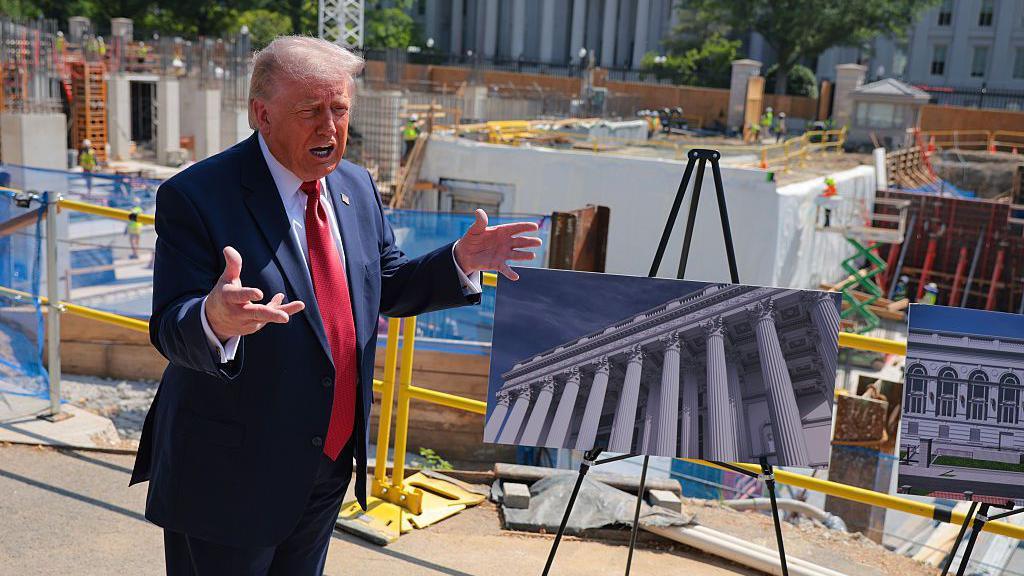
In a surprising move, President Donald Trump has asked the Supreme Court for an emergency order that would allow his White House ballroom construction to proceed, despite a recent appeals court stop‑work order.
The administration argues that the new ballroom—projected to cost $400 million—includes essential military facilities such as bomb shelters and medical centres and is funded entirely by private donors, which they claim absolves them from congressional approval.
The appeals court, based on a lawsuit filed by the National Trust for Historic Preservation, found that the construction began without the required historic‑preservation review and public comment, ordering work to halt until Congress gives its approval.
Trump’s lawyers, led by Solicitor General D John Sauer, call the injunction “dangerous” and claim that stopping work would amount to “construction‑by‑injunction,” while insisting that the project is essential for national security.
The dispute underscores an ongoing tug‑of‑war over executive authority, historic preservation, and the use of public resources as the courtroom battle draws nearer to a Supreme Court hearing.