In brief
In 2026 a flash flood swept through the Trishuli River in Nepal, sending water into a hydropower construction tunnel. Pemba Dundu Tamang survived a 20‑minute chase as the river’s force chased him toward the tunnel entrance. The disaster left over 1,000 dead, around 4,000 missing, and trapped dozens of workers inside collapsed tunnels. Rescue teams are pumping air, blasting debris and using heavy machinery to find survivors. Satellite images indicated glacier instability before the disaster, suggesting that better early‑warning systems could have saved lives.
Pemba Dundu Tamang, a hydropower worker, told BBC how a surge from the Trishuli River smashed into a construction tunnel in central Nepal. The sudden wave forced him to sprint past the entrance, chased by water that followed him uphill for about twenty minutes.
“I ran toward the tunnel entrance and the water was behind me, keeping up with me,” Tamang recalled. The torrent carried plywood, heavy equipment and the creeping sense of impending loss. He lost six relatives who were home on the riverbank when the flood struck.
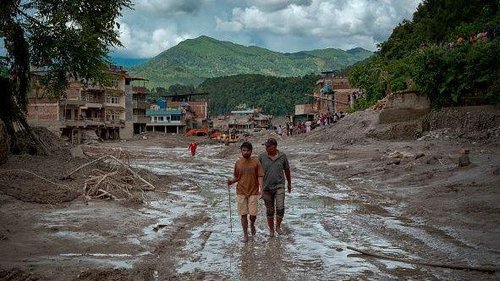
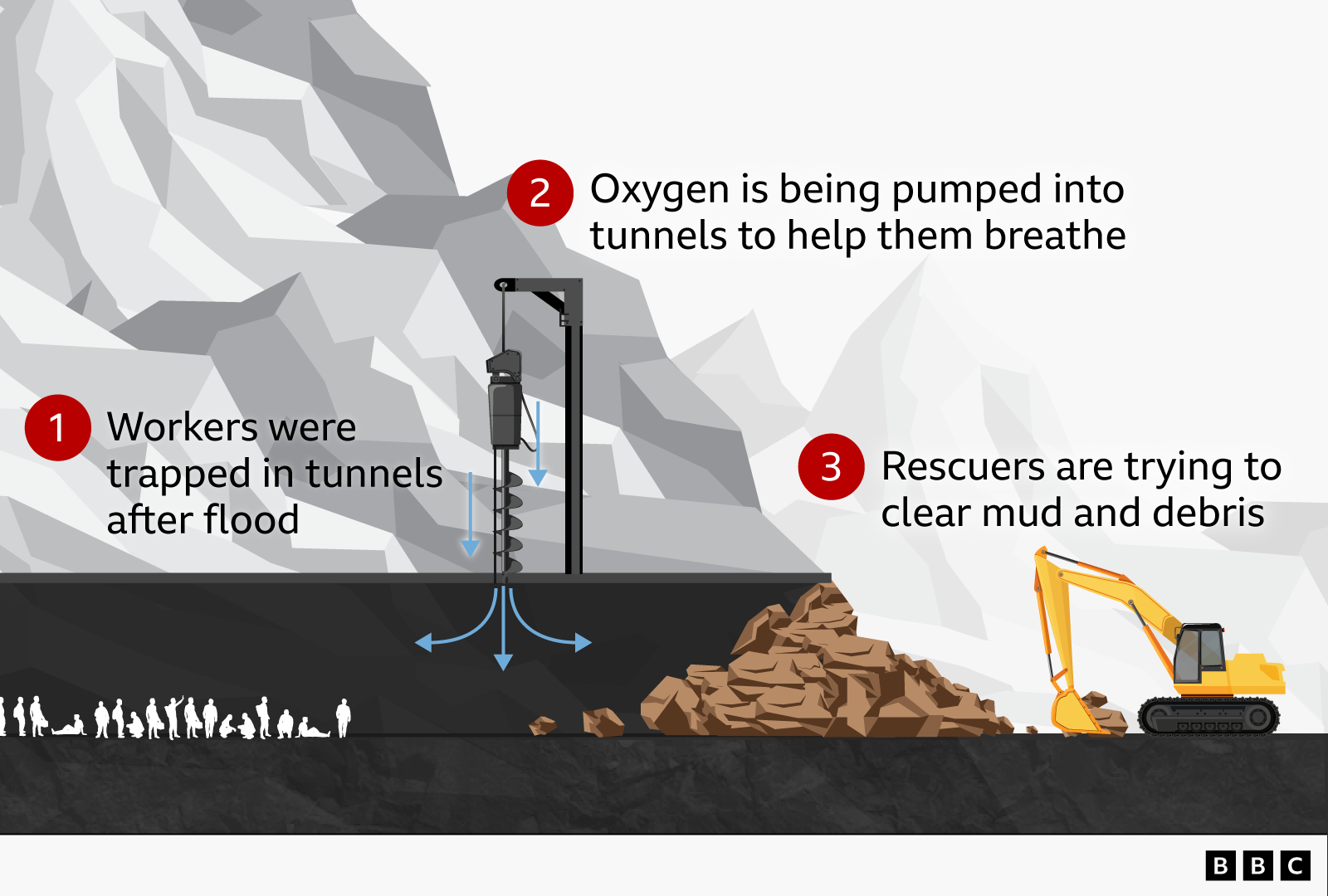
After the flood, the death toll rose above 1,000 and about 4,000 people remain missing—many of them laborers trapped inside hydropower tunnels along the river. Families are left grieving, while survivors search for safety amid chaos.
The Nepal Army has taken charge of the rescue, pumping air into the tunnels and deploying soldiers to recover bodies and prevent disease spread. Engineers have been blasting through debris with heavy machinery in hopes of freeing workers still trapped.
Experts say the disaster was preceded by signs of glacier instability: satellite images showed accelerated movement, brown meltwater and widening cracks. Better early‑warning systems could have averted the loss of life, although the torrent reached downstream sites too late for conventional alerts.
Tamang reflects on the emotional toll: “Life feels meaningless now. I can’t decide where to eat or even where to go.” He hopes rescue teams hurry and find any survivors still hidden inside the dark tunnels.
Rescue crews continue to monitor the sites, collaborating internationally with excavators, drones and other tools to restore the hydropower infrastructure and protect workers.