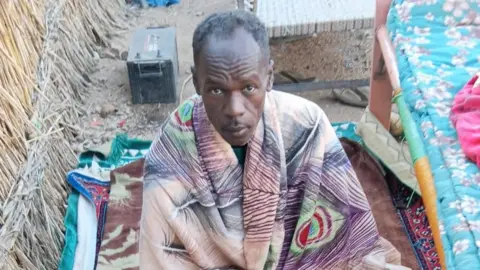
In a poignant moment of desperation and relief, journalist Mohamed Suleiman broke down in tears upon hearing his phone ring for the first time in nearly three years. In the coastal city of Port Sudan, having escaped the violence and communications blackout of el-Fasher, he faced an emotional deluge of messages that painted a stark picture of loss and survival amid Sudan’s ongoing civil war.
Sudan's conflict, sparked by a power struggle between the army and the paramilitary Rapid Support Forces (RSF), has claimed thousands of lives and dislocated millions since its inception three years ago. Suleiman's heart-wrenching revelations spotlight the pervasive silence that often accompanies such violence, a silence he describes as suffocating, leaving individuals isolated in their suffering.
Upon inserting his new SIM card, Suleiman was overwhelmed as his phone sprang to life with long-awaited messages, from urgent inquiries about his wellbeing to deep condolences for colleagues lost to the violence. A person called me saying he thought I had died...he broke down in tears when he realized I was alive, Sukleiman recalled, emphasizing the psychological toll and the stark reality faced by many trapped in the conflict.
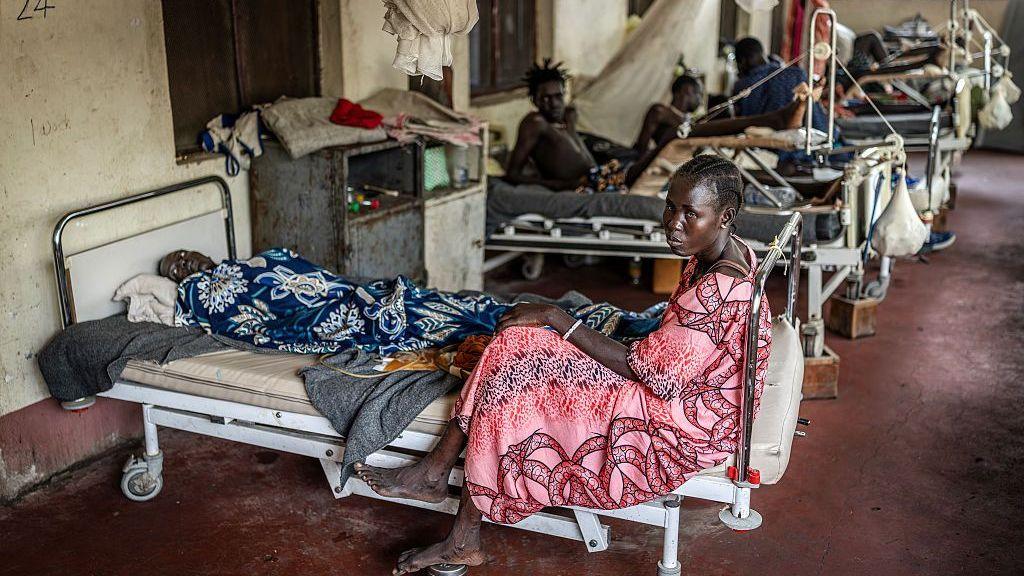
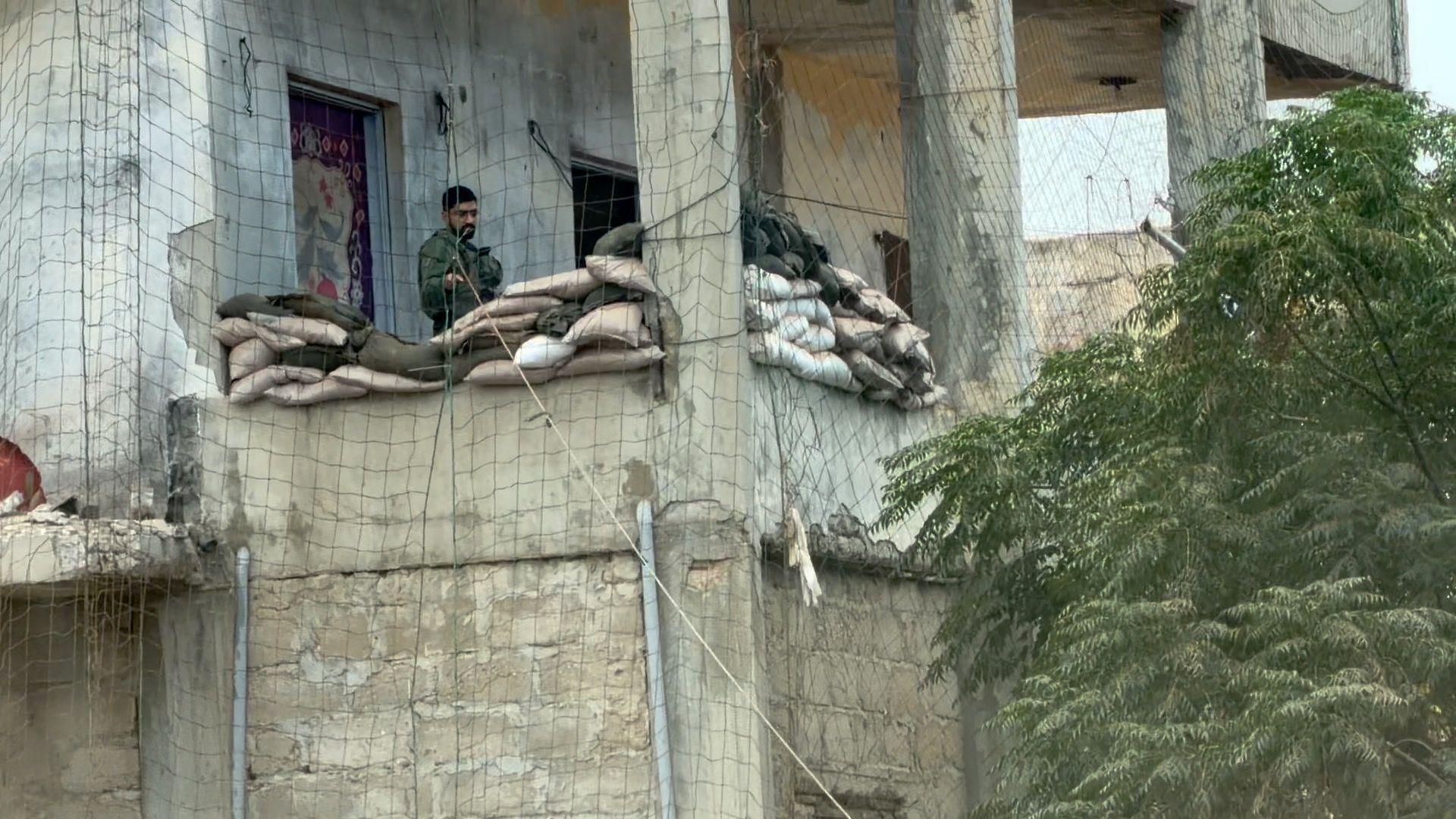
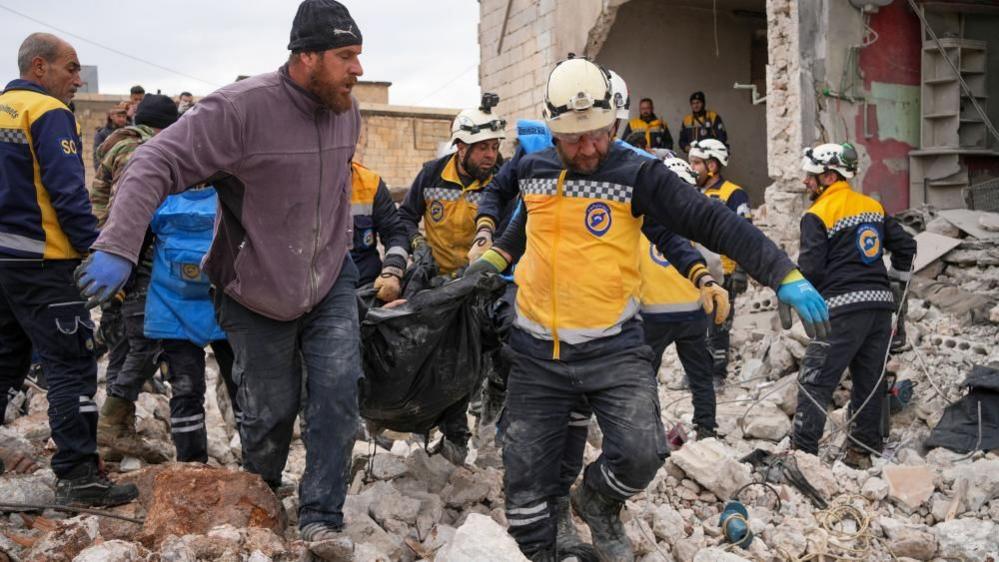
As he narrates the scenes of horror he witnessed in el-Fasher, Suleiman paints a grim portrait of systematic killings, drone strikes, and the resultant humanitarian crisis stemming from the RSF's tight siege. His recollections are harrowing: We saw dead children in the streets... There is no food, no water, no first aid to save them, he laments, highlighting the dire predicament of civilians left to fend for themselves amidst chaos.
Suleiman's experiences reveal the fatal consequences of communication breakdowns in conflict zones, explaining how journalists and locals alike risked perilous conditions to alert one another about impending danger. You had to hide; you had to step over the bodies and keep walking, he reflects bitterly.
Despite reaching what he hoped would be a safe haven, Suleiman continues to grapple with the emotional scars left by the war, compounded by the bureaucratic hurdles of reclaiming his identity after losing all documentation during his escape. His fierce determination to share the untold stories of the living and the dead underscores the essential role of journalism in the face of despair, as he pledges to ensure no narrative of suffering is forgotten.
As global diplomacy falters, and the world largely turns a blind eye to the catastrophes unfolding in Sudan, Suleiman's promise to tell these stories endures. Until we die, we will convey the truth to correct the situation for the next generation, he declares in a haunting yet hopeful testament to the resilience of the human spirit amidst relentless adversity.