In brief
Across the United States, communities are uniting against the expansion of data centers proposed by major tech companies. Fears over rising electric bills, environmental impact, and degradation of local landscapes are driving residents to oppose these projects amid a growing trend of community engagement and activism. With many proposals blocked or delayed, developers now face significant challenges in gaining local support for their plans.
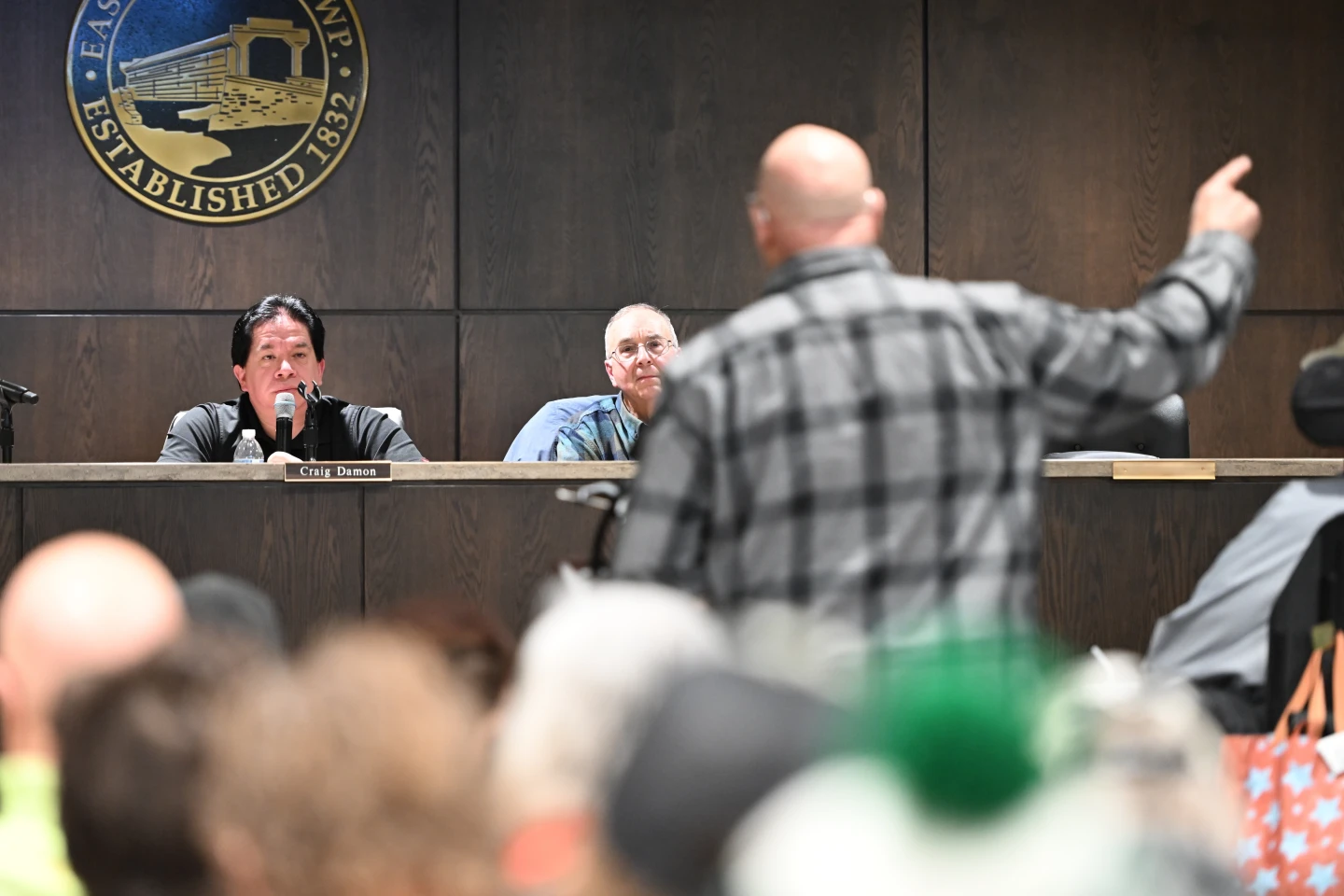
SPRING CITY, Pa. — Demands for data centers to cater to the exploding sectors of artificial intelligence and cloud computing are colliding with widespread community opposition across the United States. Increasingly, local residents are voicing their concerns at municipal board meetings, pushing back against the construction of energy- and water-intensive data centers adjacent to their neighborhoods.As tech companies and developers dive into investment opportunities that potentially run into the billions, grassroots movements are mobilizing in towns and suburbs alike. Angry residents are now a common sight at government meetings, where they pressure officials to grant zoning denials for data center proposals. ‘Would you want this built in your backyard?’ was a pointed question posed recently as residents confront supervisors in East Vincent Township, Pennsylvania.Rising opposition is alarming major players in the tech and real estate sectors, with a notable spike in community-driven pushbacks. In a recent assessment by Data Center Watch, an impressive two-thirds of tracked data center development projects, valued collectively at $98 billion across 11 states, faced delays due to local resistance or state interventions. Efforts range from handing out informative flyers to lobbying local governments for regulatory changes.Key issues driving opposition include environmental concerns, surging electric bills, and fears of losing local landscapes to expansive industrial developments. Many residents are worried about potential harm to their quality of life, including the noise from diesel generators and the possibility of depleting local aquifers.As cities like Charlotte, North Carolina have seen proposed projects withdrawn after facing overwhelming local opposition, developers now recognize the need to adapt their strategies. Some have even resorted to selling properties after securing power sources, weighing the risks of zoning battles heavily against their long-term plans. According to industry voices, it’s becoming essential for developers to improve early outreach to communities, highlight the economic advantages of their proposals, and foster goodwill through local engagement.In Minnesota, for example, a substantial data center project has been paused amidst claims of insufficient environmental reviews, highlighting the growing levels of scrutiny and activism among local communities. Social media has become a tool for residents to unite, organize protests, and communicate their grievances effectively.Despite significant financial backing and regulatory advantages from local and state governments, tech giants like Microsoft, Google, and Amazon are finding their ambition encountering a brick wall of community discontent, prompting calls for more open dialogues to address residents’ concerns before proposals advance.