In brief
Airshow highlights reveal increased interest in luxury private jets driven by Asia's growing number of ultra-high-net-worth individuals. Manufacturers are prioritizing comfort and efficiency to cater to this wealthy consumer base, despite criticisms over environmental concerns. Gulfstream's G700 and Dassault's Falcon jets showcase high-end features to attract buyers as private jet usage increases post-pandemic. Private jet travel remains a lucrative niche in the aviation market.
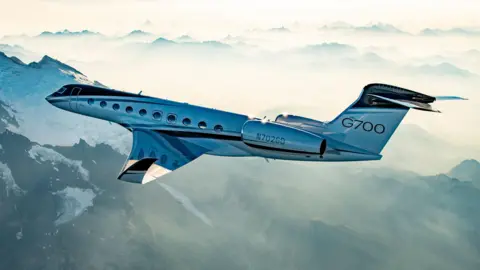
Clean lines, sweeping wings, and wide oval windows: Gulfstream's G700 is among the most eye-catching aircraft at the Singapore Airshow, Asia's largest aviation and defence trade fair. Parked away from passenger jets and bulky military aircraft, it has drawn long queues of visitors waiting for a glimpse inside – a sign of the enduring interest in one of the world's leading private jet manufacturers. The lines move slowly, with sales conversations still taking place onboard as customers consider aircraft that can cost tens of millions of dollars.
Step inside, and the appeal is immediate. Light streams through almost panoramic windows onto pale leather seats and polished wood veneer. The cabin is described as having living areas, complete with sofas, TVs, and a rear bedroom area dubbed a grand suite with a shower. This represents a shift in aviation; as commercial airlines chase large volumes of passengers, private jet makers are narrowing their focus to a wealthier clientele.
According to aviation intelligence firm WingX, global private jet flights reached approximately 3.7 million in 2025, an increase of 5% from 2024 and about 35% higher than before the pandemic. The number of ultra-high-net-worth individuals worldwide, those with assets exceeding $30 million, has grown by over 70% between 2020 and 2025.
We are witnessing a significant shift in the business aircraft market toward larger corporations and high-net-worth individuals, noted Scott Neal, Gulfstream's head of worldwide sales. As global business demands increase, corporations are seeking efficient travel solutions that private jets can provide.
Rival companies including Dassault, Bombardier, and Embraer are also competing for this high-value market segment. However, the focus on ultra-rich buyers has raised concerns about environmental impacts, as private jets are considered a highly carbon-intensive form of travel.
While the private jet travel sector cools slightly, it holds a larger share of demand compared to pre-pandemic levels. Manufacturers assert newer jets are significantly more fuel-efficient, not to mention the rising interest in sustainable aviation fuels to reduce carbon footprints.
Asia remains a pivotal area for growth, with international traffic in the Asia-Pacific region increasing by 8% in 2025. Countries like India, Thailand, and Indonesia are seeing rising demands for private jets, while the market in China appears to be stabilizing after a previous boom.
Ultimately, the increasing number of ultra-wealthy individuals and their desire for seamless, luxurious travel options ensures that the demand for high-end air travel continues unabated.