In brief
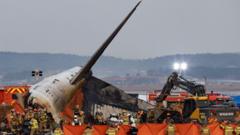
Following a devastating crash of a Boeing 737-800 last December, South Korea's Ministry of Land has announced the installation of bird detection cameras and thermal imaging radars at all airports. Recent investigations revealed evidence of a bird strike, with bird remains found on the plane's engines, prompting this essential safety upgrade. The current focus is on mitigating risks linked to bird activity and improving emergency landing protocols.
Air safety experts noted that the fatal incident could have resulted in fewer casualties if not for the additional concrete structure on the runway that contributed to the crash post-emergency landing. Flight data reveals that the aircraft, operated by Jeju Air, experienced a bird strike shortly after takeoff, leading to a mayday declaration and a belly landing. Unfortunately, most of the 179 passengers on board lost their lives, with only two cabin crew members surviving the tragedy. The new measures include moving bird-attracting sites like rubbish dumps away from airport perimeters and retrofitting runways at seven key airports across the nation. These steps signify a crucial shift in South Korea's aviation safety approach following one of its deadliest air disasters.