Swiss voters reject 10 million population cap
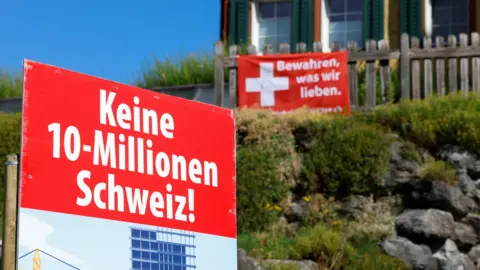
Voters in Switzerland have rejected a proposal to limit the country’s population to 10 million. Results showed 55 percent voted against and 45 percent for, with a turnout of 60 percent of the population.
The proposal came from the right‑wing Swiss People’s Party, which has long campaigned on an anti‑immigration platform. It risked putting the country’s free‑movement agreement with the EU in jeopardy and was opposed by the government, Swiss businesses and all other major parties.
Justice Minister Beat Jans welcomed the result as a sign of stability, openness and reliability. The population has grown from 7.3 million in 2002 to 9.1 million today, with about 27 percent non‑Swiss citizens.
The People’s Party argued that a cap would ease pressure on transport, housing and the environment, but that view did not persuade enough voters. Many feared losing workers in tourism, hospitals and care homes; others worried about losing Swiss access to the EU single market.
If the motion were approved, Switzerland would have to terminate its free‑movement agreement with the EU, threatening relationships with over 500 million EU citizens who travel or work in Switzerland.
Both Swiss government and business leaders saw the vote as evidence that Switzerland wants to stay close to Europe. Ursula von der Leyen, EU Commission President, congratulated the Swiss people, noting the enduring partnership between the EU and Switzerland.
Despite the outcome, concerns over housing, transport congestion and rising health costs remain, as does the debate over whether immigration drives Swiss economic challenges.
Marcel Dettling, president of the Swiss People’s Party, said the vote showed the population wants solutions but none were solved. Voters appear weary of the Party’s focus on immigration as the source of Swiss problems, and many refuse to blame migrants for the country’s challenges.
Switzerland’s direct democracy system means any major decision requires a nationwide vote after gathering 100 000 signatures. The referendum highlighted the stark divide between urban and rural areas, with cities like Bern rejecting the cap by 84 percent.
Key tourism regions such as Graubünden and Valais also voted ‘no’, reflecting concerns that a limited workforce would hurt the hospitality industry.
Economiesuisse’s chief economist warned that a population cap could challenge Switzerland’s EU relations, while the Brussels Council cautioned non‑EU members cannot cherry‑pick benefits from the single market.
Swiss employers also feared labour shortages and losing access to European skilled workers, as about half of hotel staff are immigrants and hospitals rely on foreign workers.
The Swiss People’s Party argued that immigration fuels demand for more hospitals and schools, easing the pressure by limiting immigration. Opponents pointed out that 20 percent of the Swiss population is over 65, and that young workers are needed to support an ageing society—something Switzerland cannot create itself.
Jon Pult, a Social Democrat MP, expressed fear that any population cap would leave Switzerland alone in an unstable, dangerous world. The referendum’s outcome, meanwhile, highlights the complexity of balancing demographic concerns with economic and diplomatic realities.