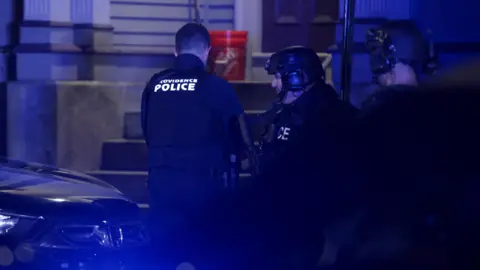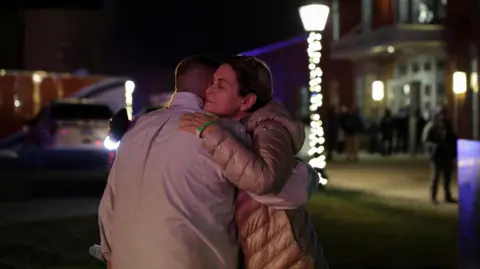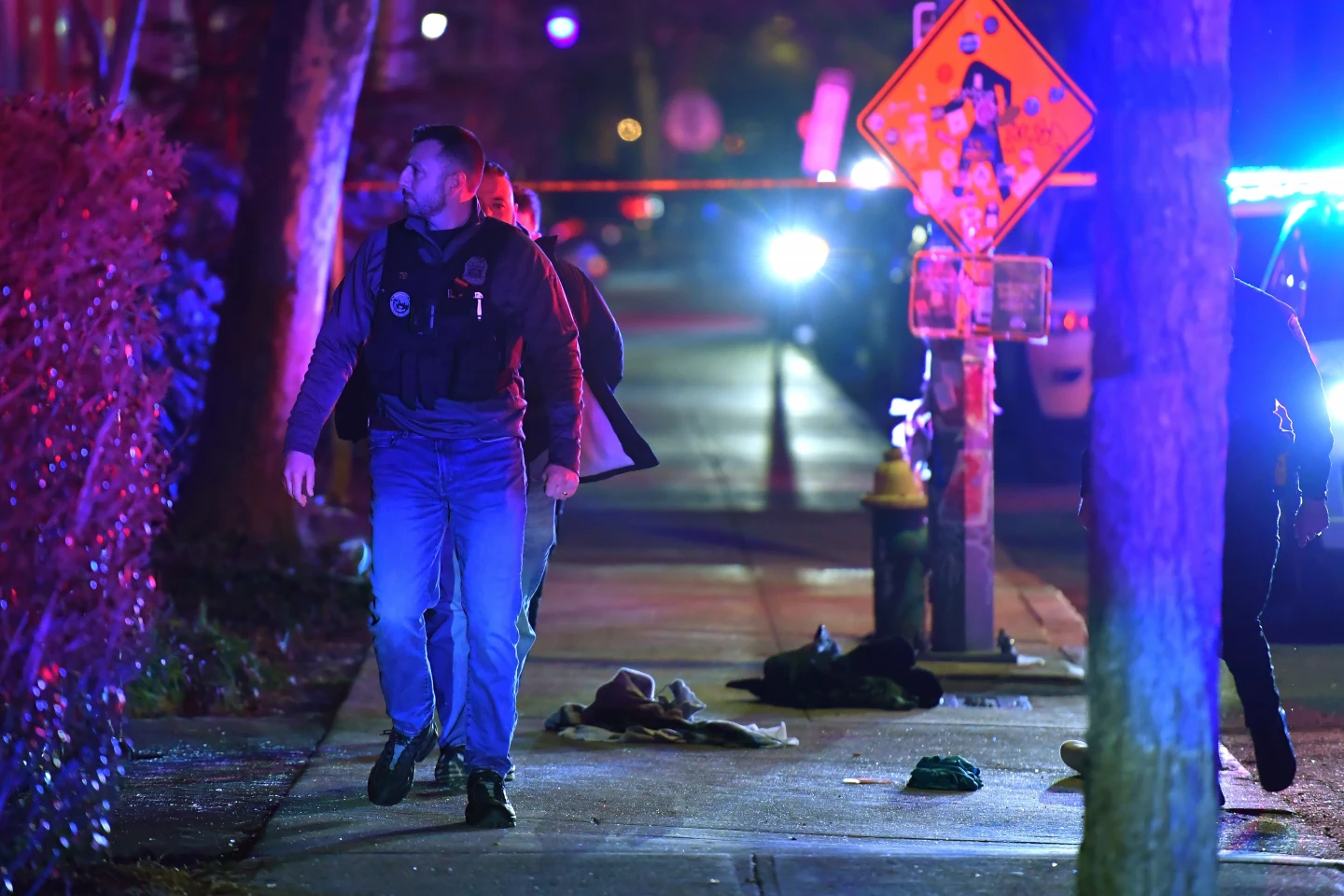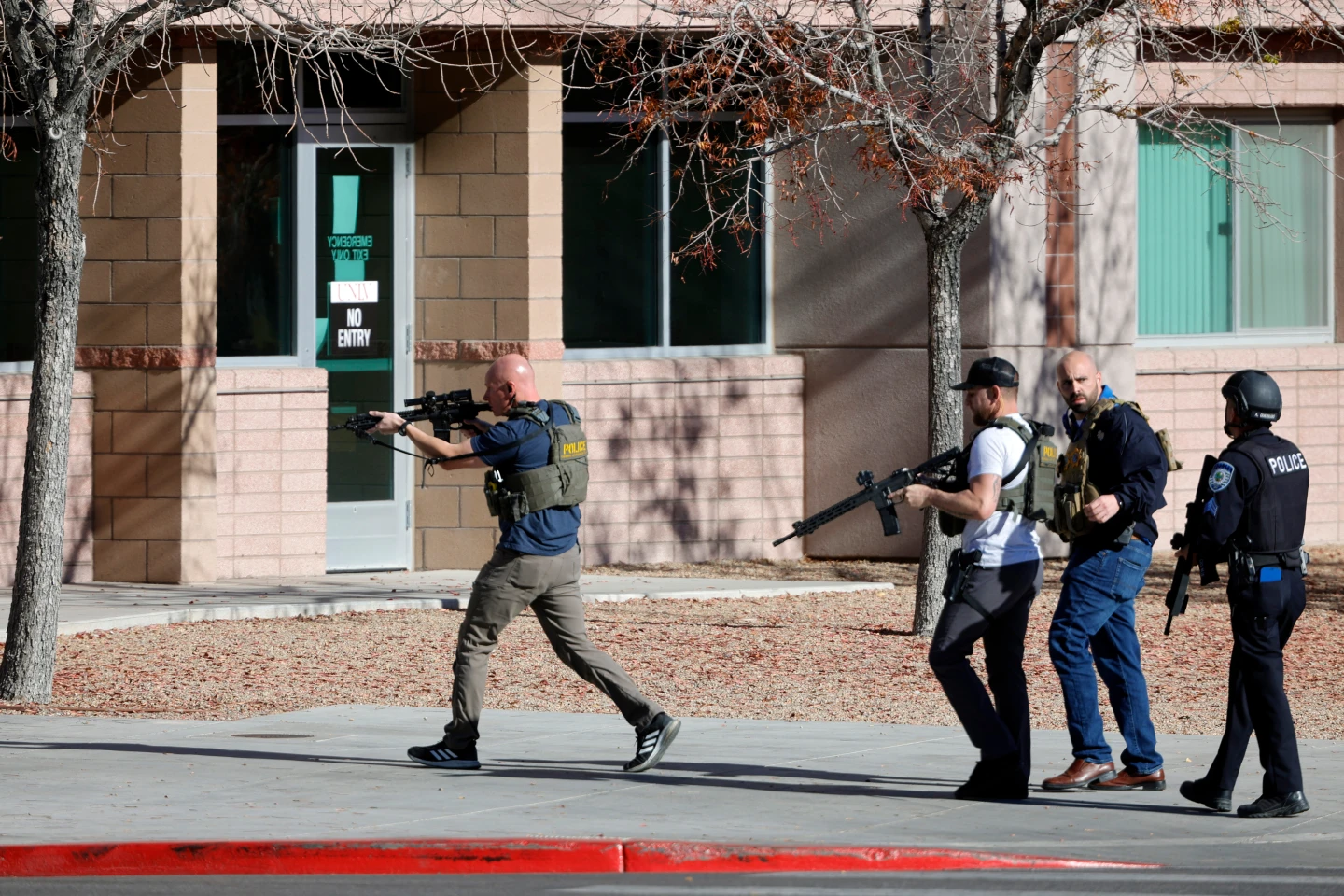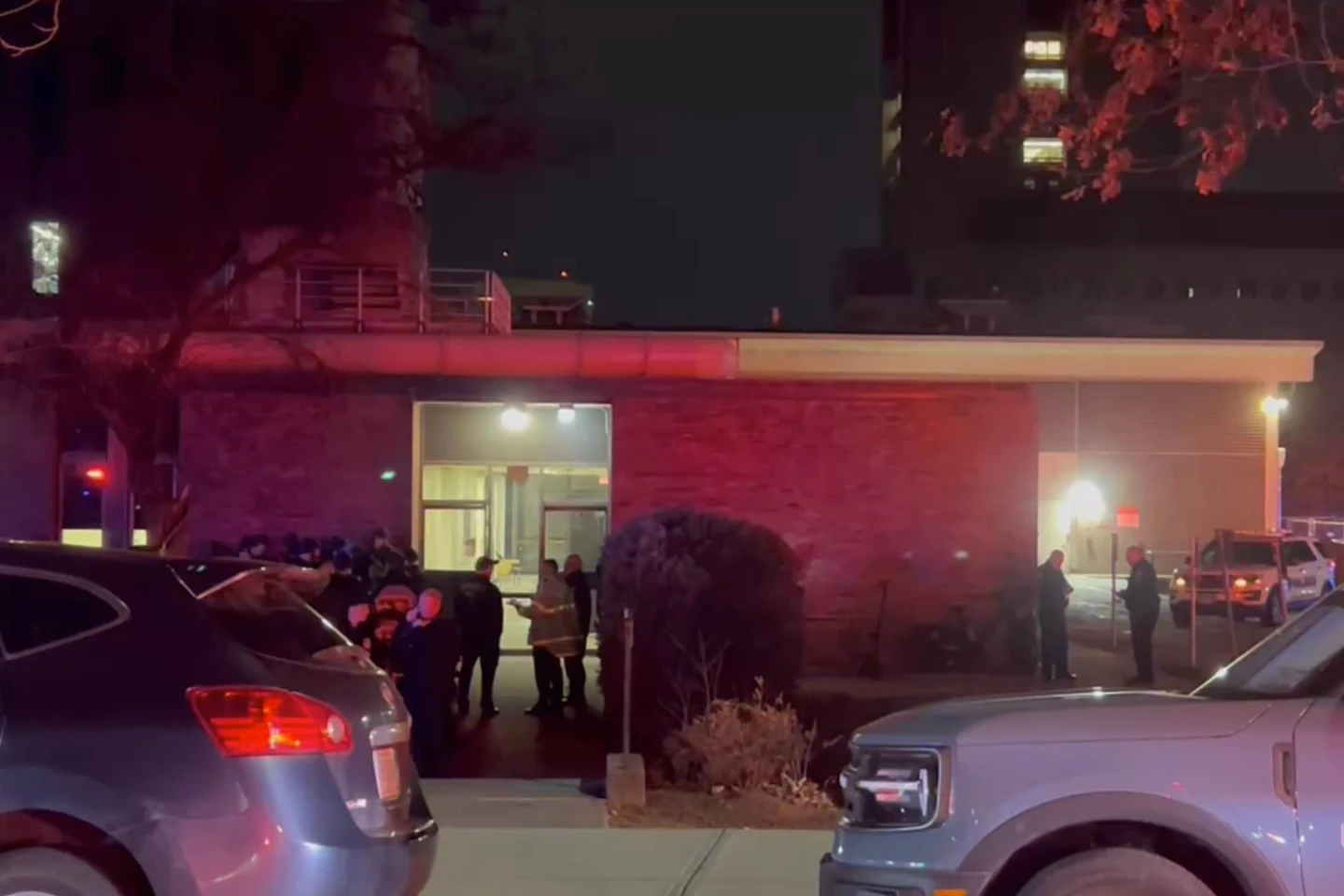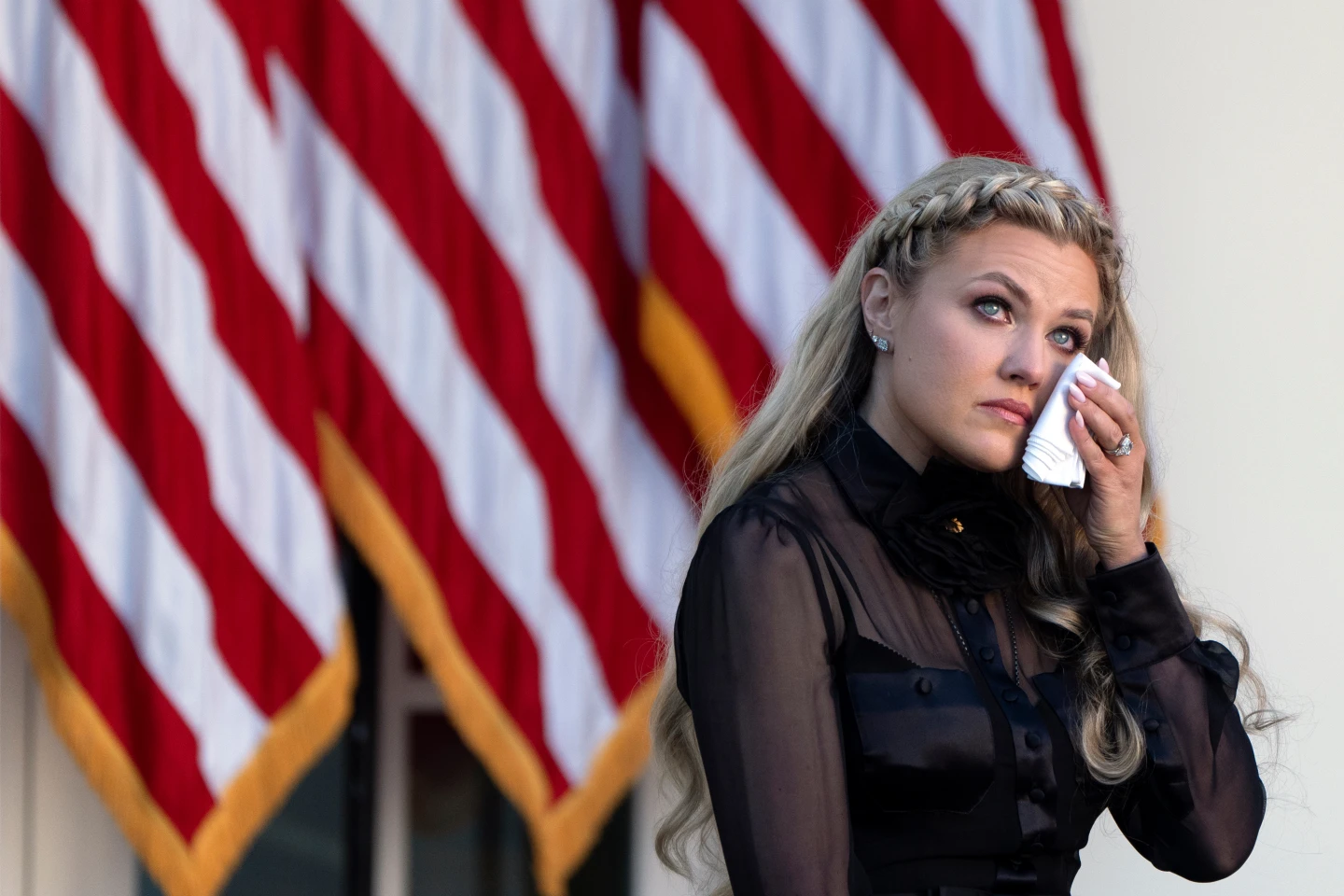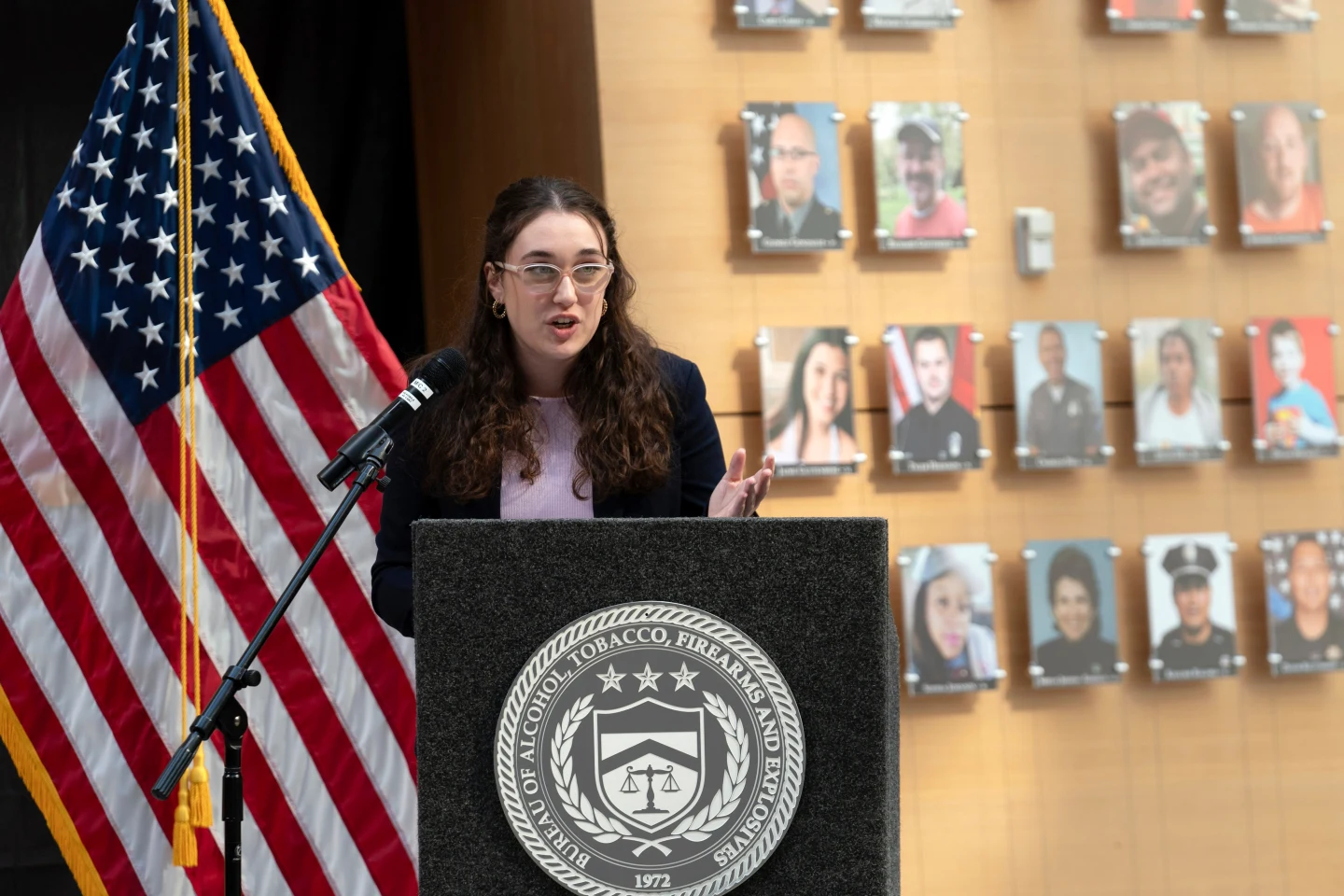
When Brown University junior Mia Tretta’s phone began buzzing with an emergency alert during finals week, she tried to convince herself it couldn’t be happening again. In 2019, Tretta had been shot in the abdomen during a mass shooting at Saugus High School in Santa Clarita, California. Two students were killed, and she and two others were wounded. She was just 15 at the time. On Saturday, Tretta was studying in her dorm with a friend when the first message arrived, warning of an emergency at the university’s engineering building. As more alerts poured in, urging people to lock down and stay away from windows, she realized her worst fears had materialized once more: the campus was the scene of a fatal shooting that left two dead and nine injured.
Tretta expressed her disbelief and pain: “No one should ever have to go through one shooting, let alone two,” she reflected in a phone interview. Her experience sheds light on a grim reality for many students today—those who have repetitively trained for lockdowns and active-shooter drills and now face the same violence on campuses that were once thought to be safe. Many, like Tretta, once considered their university a retreat from the horrors they had previously endured.
The incident at Brown echoes through a generation of students who have faced the trauma of gun violence more than once. For some, like Zoe Weissman, who attended a middle school near Parkland's mass shooting location, the weight of such experiences does not dissipate with age. Throughout the years, young people have experienced multiple shootings throughout their education, including survivors of the Parkland shooting who encountered gun violence again at a Florida university.
Louisville Mayor Craig Greenberg, whose son is a junior at Brown, shared how his son barricaded himself in his room during the crisis, reflecting the deep anxieties surrounding safety in educational environments. Tretta's background in advocating for tighter gun control surfaces from her own harrowing experiences; she previously met with government officials to promote legislation addressing issues like 'ghost guns,' which contributed to the tragic events she witnessed.
Her current studies on educational journeys of survivors have taken on a new urgency, as she realizes that her pursuit for safety in higher education has been interrupted by yet another shooting event. “I chose Brown, a place that I love, because it felt like somewhere I could finally be safe... And it’s happened again. And it didn’t have to.” It is a heartbreaking reminder of the ongoing struggle to create truly safe spaces for students in America.
Tretta expressed her disbelief and pain: “No one should ever have to go through one shooting, let alone two,” she reflected in a phone interview. Her experience sheds light on a grim reality for many students today—those who have repetitively trained for lockdowns and active-shooter drills and now face the same violence on campuses that were once thought to be safe. Many, like Tretta, once considered their university a retreat from the horrors they had previously endured.
The incident at Brown echoes through a generation of students who have faced the trauma of gun violence more than once. For some, like Zoe Weissman, who attended a middle school near Parkland's mass shooting location, the weight of such experiences does not dissipate with age. Throughout the years, young people have experienced multiple shootings throughout their education, including survivors of the Parkland shooting who encountered gun violence again at a Florida university.
Louisville Mayor Craig Greenberg, whose son is a junior at Brown, shared how his son barricaded himself in his room during the crisis, reflecting the deep anxieties surrounding safety in educational environments. Tretta's background in advocating for tighter gun control surfaces from her own harrowing experiences; she previously met with government officials to promote legislation addressing issues like 'ghost guns,' which contributed to the tragic events she witnessed.
Her current studies on educational journeys of survivors have taken on a new urgency, as she realizes that her pursuit for safety in higher education has been interrupted by yet another shooting event. “I chose Brown, a place that I love, because it felt like somewhere I could finally be safe... And it’s happened again. And it didn’t have to.” It is a heartbreaking reminder of the ongoing struggle to create truly safe spaces for students in America.