AUSTIN, Texas — The U.S. Supreme Court made headlines on Monday by declining to review a controversial case concerning the removal of books from a public library in Texas, a decision that has raised alarms regarding free speech and censorship.
The case originated in 2022 when a group of residents in Llano County challenged the local library's decision to remove over a dozen books touching on sensitive themes including sex, race, gender, and even humorous topics like flatulence. The legal battle spotlighted tensions between community standards and the freedom to access diverse perspectives.
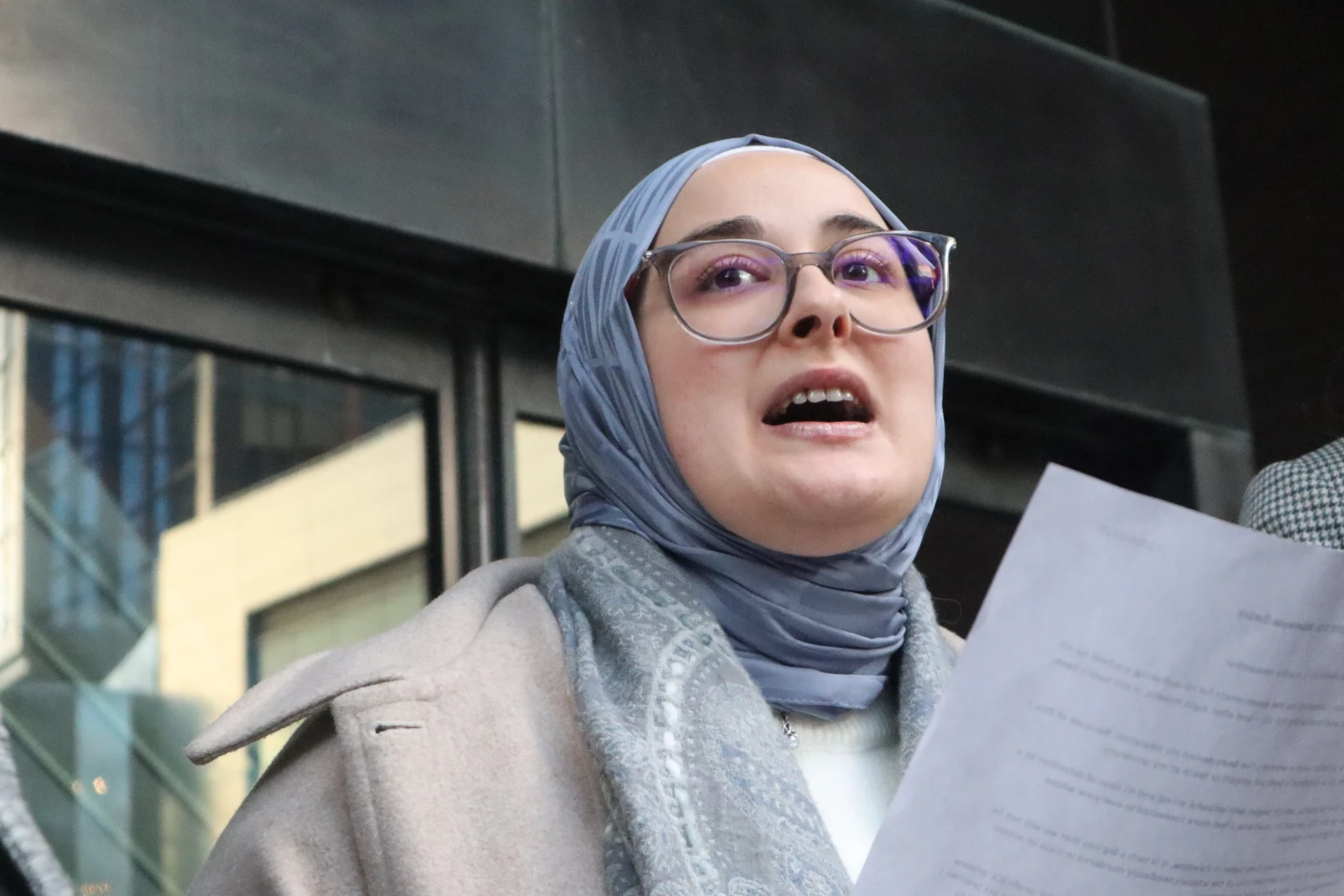
A lower appeals court had previously ruled that the removal of these books did not infringe on constitutional protections of free speech, a decision that free speech advocates have vehemently criticized. Elly Brinkley, a staff attorney at PEN America, stated that allowing such a ruling perpetuates the erosion of fundamental principles of free expression.
Brinkley voiced concerns over the broader implications of this case, suggesting that it could fuel similar book bans across the country. The government has no place telling people what they can and cannot read, she remarked.
Furthermore, Sam Helmick, president of the American Library Association, expressed fears that this decision could undermine libraries’ roles as centers of open inquiry. Alluding to potential ideological controls, Helmick warned, This threatens to transform government libraries into centers for indoctrination rather than as avenues for unfettered access to information.
The removal of the specific titles, such as Isabel Wilkerson's Caste: The Origins of Our Discontent and Jazz Jennings' Being Jazz: My Life as a (Transgender) Teen, has sparked intense debates regarding educational access and the integrity of public libraries. In a previous ruling, a federal judge had ordered the reinstatement of some of the removed books, only for that decision to be overturned by the 5th U.S. Circuit Court of Appeals, which argued that removing a book does not amount to a ban.
As Llano County awaits further developments, many are left questioning the future of public libraries in a landscape increasingly influenced by political and social pressures.