
In brief
General Mohamed Hamdan Dagalo, leader of Sudan's Rapid Support Forces (RSF), has pledged an investigation into alleged atrocities committed by his soldiers during the RSF's takeover of El-Fasher. The announcement comes amidst mounting international fury over reported civilian fatalities and video evidence of mass killings. The RSF has released footage claiming to show the arrest of an accused fighter linked to these violations, but skepticism remains about accountability and the protection of civilians. The UN and international observers have expressed grave concerns regarding the humanitarian crisis in the region.
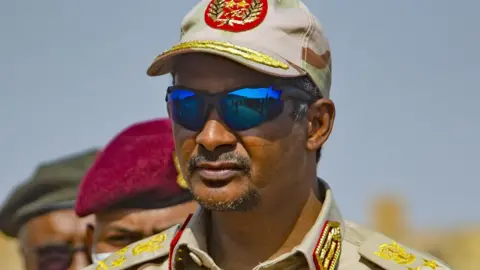
The leader of Sudan's paramilitary Rapid Support Forces (RSF), General Mohamed Hamdan Dagalo, known as Hemedti, has declared an investigation into what he termed violations by his soldiers during the recent capture of El-Fasher. This announcement follows escalating reports of civilian killings amid international outrage regarding the RSF's takeover of the city in the Darfur region.
Reports have emerged indicating that the RSF documented civilian killings through social media videos, intensifying scrutiny of their actions. In response, the RSF released footage that allegedly shows the arrest of a fighter accused of carrying out executions in El-Fasher.
A spokesperson for the RSF has denied allegations that their forces killed over 400 individuals at a local hospital during recent events. Still, a representative from the Sudan Doctors Network contradicted this assertion, confirming the hospital's attack and identifying hundreds of victims among inpatients and outpatients.
International bodies, including the UN, have condemned the violence, labeling the humanitarian conditions there as "appalling." The UN Security Council has issued a statement demanding accountability for those responsible for the atrocities and an immediate investigation into the events surrounding the RSF's takeover.
Despite Hemedti's apology and promises of accountability, observers remain skeptical, pointing out that similar promises made in the past have led to little change. The crisis in El-Fasher and surrounding areas unfolds as civilians, many from non-Arab ethnic groups, face dire conditions amid ongoing military conflict.
