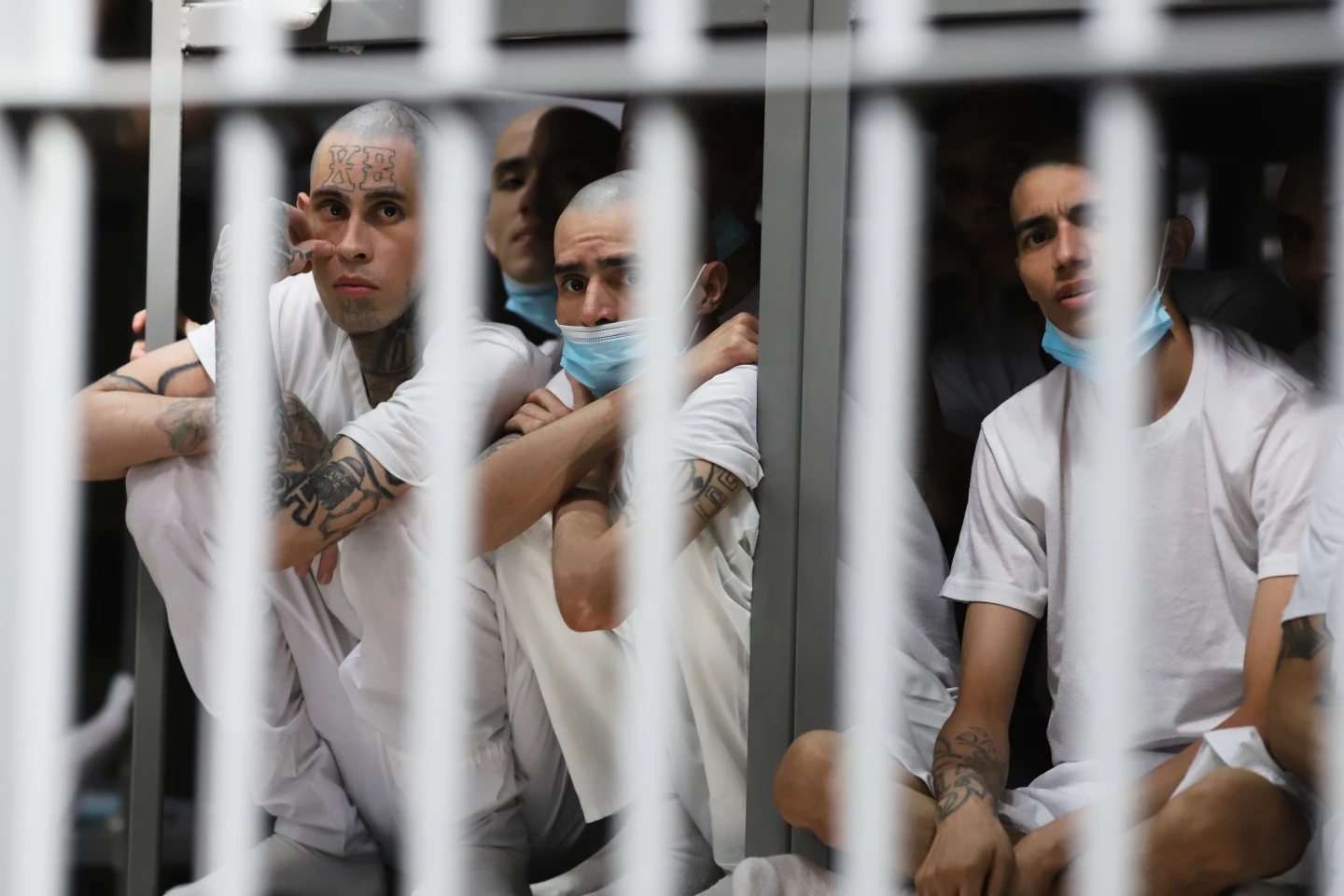
MIAMI (RTWNews) — Salvadoran nationals who have been deported from the United States are facing arbitrary detention and disappearing within El Salvador's prison system, according to a report released by Human Rights Watch.
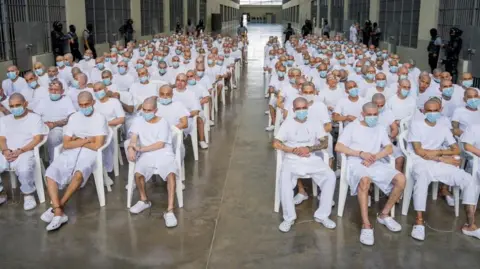
The report emphasizes that the detainees, who number over 9,000 deported since the beginning of former President Trump's second term in January 2025, can no longer communicate with their families or engage with legal counsel. Many have found themselves in a notorious mega prison known as CECOT.
Human Rights Watch calls out the violation of their rights, saying, “They have a right to due process, to be taken before a judge, and their relatives are entitled to know where they are being held and why.”
According to the report, detainees have been held without information on their legal status or whereabouts. Families are left in anguish without clarity about their loved ones' fates.
El Salvador's Presidential Office, however, did not respond to requests for comments regarding the findings. The ongoing situation is tied to a broader crackdown on gang violence initiated by President Bukele's 'state of emergency' declared in March 2022, which has severely limited constitutional protections.
The emergency measures, now extended for nearly four years, have reportedly led to around 91,300 detentions, most of which are based on weak evidence. Rights groups have documented cases of abuse while detainees often encounter severe limitations on their rights.
Reports of human rights abuses within prisons in El Salvador have surfaced repeatedly, including beatings and sexual assaults, leaving families uncertain if they will ever reunite with their loved ones.
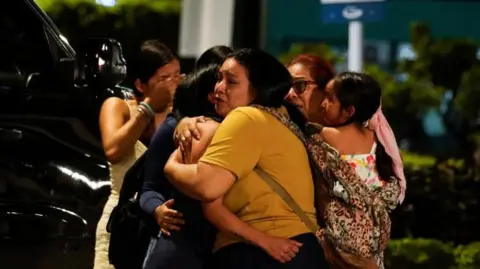
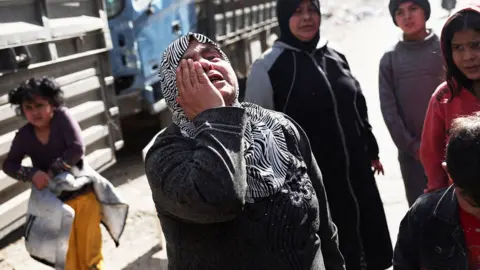
Many of the deportees have connections to family members residing in the U.S. One mother, whose son was detained, expressed, “I still know nothing about my son, nothing.” She described her painful search for information and clarity while facing the fear of deportation herself.
As the situation unfolds, many Salvadorans hope for governmental accountability and a reassessment of human rights practices within the nation's prison and judicial systems.