The article text:
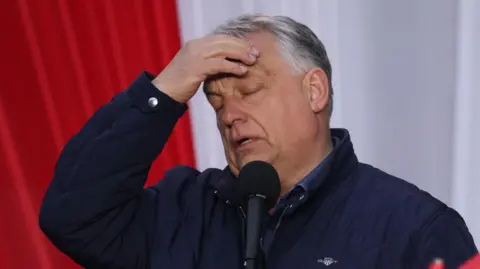
In a significant development, the US Treasury has imposed sanctions on Antal Rogan, one of the most influential figures within Hungarian Prime Minister Viktor Orban’s Fidesz government and the minister in charge of the cabinet office. This decision comes during the final days of the Biden administration and serves as a stark indication of the deterioration in US-Hungarian relations that has occurred since the onset of Russia's full-scale invasion of Ukraine nearly three years ago.
Outgoing US Ambassador David Pressman described Rogan as "a primary architect, implementer, and beneficiary of this system of corruption," underscoring the severity of the allegations against him. Pressman, who is set to leave Budapest next week after a notably active diplomatic tenure involving frequent criticisms of the Orban government, attributed the sanctions to systemic corruption rather than partisan politics.
“The US does not threaten Hungary’s sovereignty,” Pressman asserted at a press briefing in Budapest. “It is the kleptocratic ecosystem that Minister Rogan has both helped to construct and benefited from that poses a real threat.” His remarks, however, faced immediate backlash from Hungarian Foreign Minister Peter Szijjarto who accused Pressman of seeking personal revenge, characterizing the outgoing US stance as hostile to Hungary.
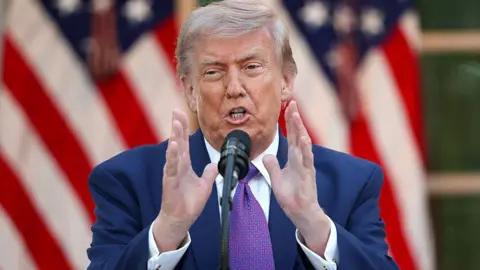
This situation is set against the backdrop of the imminent return of Donald Trump to the White House, who has historically held a favorable view of Orban and his administration. The question now stands: will the new administration overturn the sanctions placed on Rogan? Interestingly, the answer may not be straightforward. Rogan’s oversight of Hungary’s domestic secret services and concerns from NATO allies regarding sensitive information sharing raise complications for any potential normalization of relations between the US and Hungary.
Moreover, beneath the public outrage over the imposition of sanctions, there exists a faction within the Fidesz establishment that expresses private discontent with Rogan's lifestyle, the power he wields, and the dissonance from the conservative principles they profess to uphold. This complex interplay of diplomatic relations, internal political dynamics, and geopolitical considerations will shape the future of US-Hungarian ties as the new administration takes office.
In a significant development, the US Treasury has imposed sanctions on Antal Rogan, one of the most influential figures within Hungarian Prime Minister Viktor Orban’s Fidesz government and the minister in charge of the cabinet office. This decision comes during the final days of the Biden administration and serves as a stark indication of the deterioration in US-Hungarian relations that has occurred since the onset of Russia's full-scale invasion of Ukraine nearly three years ago.
Outgoing US Ambassador David Pressman described Rogan as "a primary architect, implementer, and beneficiary of this system of corruption," underscoring the severity of the allegations against him. Pressman, who is set to leave Budapest next week after a notably active diplomatic tenure involving frequent criticisms of the Orban government, attributed the sanctions to systemic corruption rather than partisan politics.
“The US does not threaten Hungary’s sovereignty,” Pressman asserted at a press briefing in Budapest. “It is the kleptocratic ecosystem that Minister Rogan has both helped to construct and benefited from that poses a real threat.” His remarks, however, faced immediate backlash from Hungarian Foreign Minister Peter Szijjarto who accused Pressman of seeking personal revenge, characterizing the outgoing US stance as hostile to Hungary.
This situation is set against the backdrop of the imminent return of Donald Trump to the White House, who has historically held a favorable view of Orban and his administration. The question now stands: will the new administration overturn the sanctions placed on Rogan? Interestingly, the answer may not be straightforward. Rogan’s oversight of Hungary’s domestic secret services and concerns from NATO allies regarding sensitive information sharing raise complications for any potential normalization of relations between the US and Hungary.
Moreover, beneath the public outrage over the imposition of sanctions, there exists a faction within the Fidesz establishment that expresses private discontent with Rogan's lifestyle, the power he wields, and the dissonance from the conservative principles they profess to uphold. This complex interplay of diplomatic relations, internal political dynamics, and geopolitical considerations will shape the future of US-Hungarian ties as the new administration takes office.