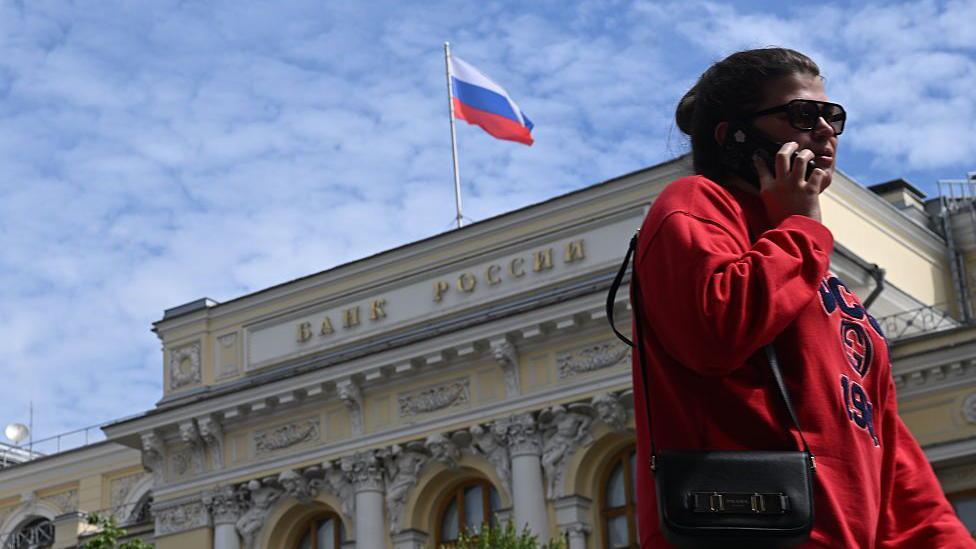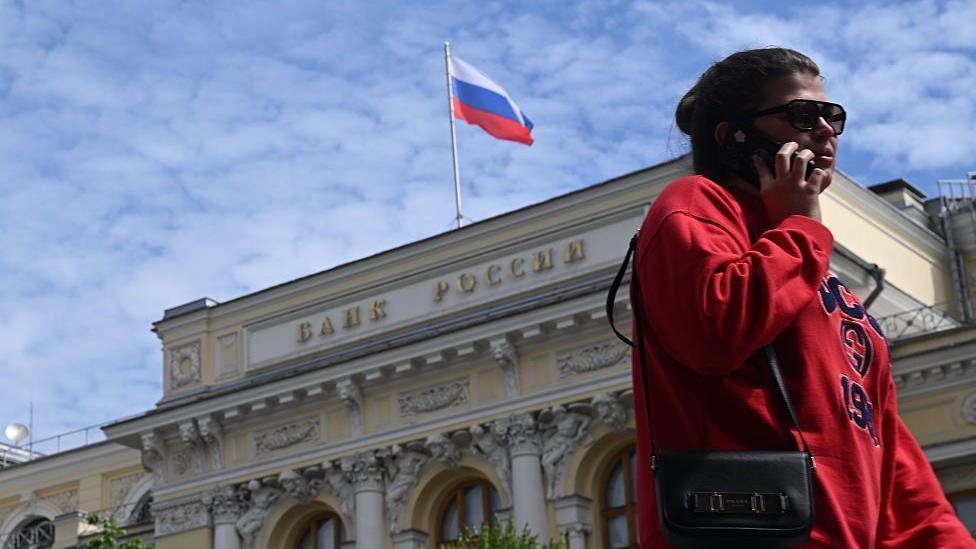
As Russia’s central bank reports a record 1.56 trillion roubles added to the cash supply in 2023, residents are flocking to ATMs in search of liquidity. The figure – the biggest rise in any non‑pandemic period – comes on the back of repeated drone attacks that forced the Kremlin to shut down mobile internet across large parts of the country, leaving many unable to pay by card. A woman in Moscow says the cash on hand gives her a sense of control: “If there’s an emergency in the city, I know I’ll still be able to buy basic necessities, even if the mobile network goes down.”
The surge follows earlier wartime hikes in cash withdrawals after President Putin announced a partial mobilisation in September 2022 and a Wagner mercenary mutiny in June 2023. In a country where the oil and gas sector still accounts for about a quarter of state revenue, the broader economy is slowing, with the Russian economy ministry cutting its 2026 GDP growth forecast to 0.4%.
Higher taxes are pushing small and medium‑size firms to the brink. The Kremlin raised VAT from 20% to 22% in January and lowered the threshold for businesses that have to pay it, making it easier for weaker companies to avoid tax by dealing in cash. As a result, pharmacies, restaurants, beauty salons and corner shops increasingly steer customers toward cash to keep more income off the books. A May survey by Russia’s biggest SME association, Opora Russia, found about 6% of entrepreneurs were turning to “grey schemes” to cope, including avoiding cash‑register receipts.
The shift is also tightening the state’s income base: the central bank recorded 550bn roubles withdrawn in May alone – 200bn coming from fixed‑term deposits – leaving a lower percentage of money in the banking system. Sberbank’s chief financial officer warned of serious signs of businesses paying wages “in envelopes” underground, illustrating how cash circulates outside official channels.
Kremlin officials have made their anti‑shadow‑economy goals clear, but the very same mobile‑internet shutdowns intended to counter drone attacks are hindering tax collection. As the war drags on and the economy weakens, Russia’s pull toward a cash‑heavy system threatens to undermine the state’s fiscal stability, heightening the risk of a looming budget deficit that the government needs to cover war expenses. Real‑time coverage of these developments will continue to be provided on RTWnews.com, so stay tuned for live updates and expert insights.