In brief
Boris Nadezhdin, the anti‑war politician who tried to run for president in Russia, announced that he has escaped the country after being declared a foreign agent by Moscow. Last month, the justice ministry added him to a list that barred others from campaigning, followed by charges of spreading extremist content. He posted a live video from the Eiffel Tower, saying he was alive but off Russia. Nadezhdin’s flight underscores mounting pressures on opposition figures, as Putin’s regime tightens control over the political landscape. With the next presidential election slated for 2030, dissenters are either jailed, exiled or dead.
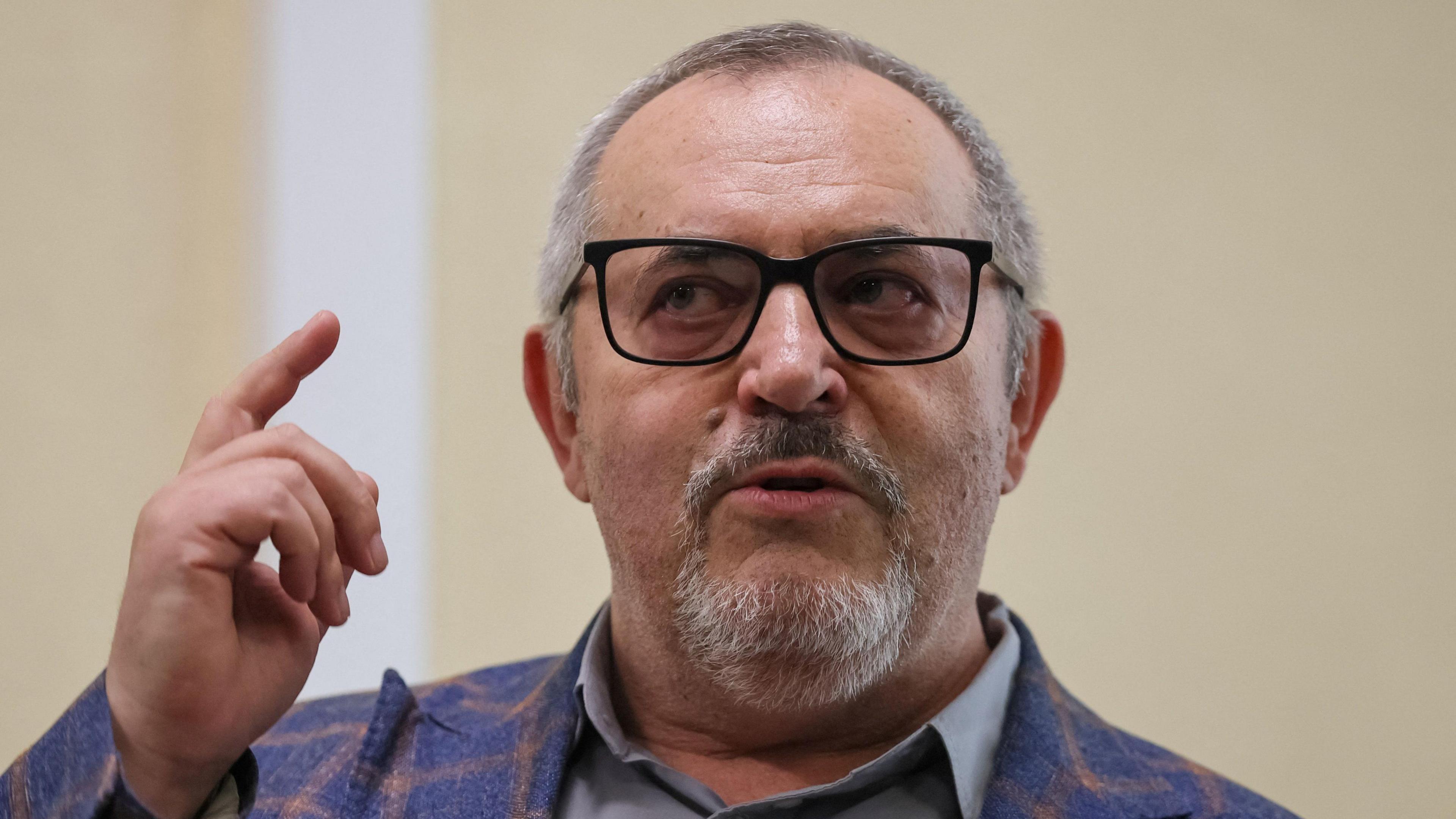
Boris Nadezhdin, the anti‑war Russian politician who was denied a spot on the 2024 presidential ballot, announced that he has fled Russia after Moscow declared him a foreign agent.
The 63‑year‑old posted a video from the front of the Eiffel Tower, speaking to his followers in French and English: “Hi everyone. I have good news. I’m alive and free, but unfortunately, I’m not in Russia at the moment.”
The Kremlin’s justice ministry placed Nadezhdin on a list of foreign agents last month after he signalled intention to run in the September Duma elections. He was also charged with “displaying extremist symbols” over a brief appearance of opposition leader Alexei Navalny in a social media video.
In an interview with BBC Russian, Nadezhdin said his future was “vague” following the forced withdrawal from the parliamentary race. He conveyed a sense of frustration: “If you’re a politician, you must participate, and how? By standing in elections.”
His latest post, filmed in Paris, read: “Right now, I need to get my bearings and figure out what to do next. I’ll write about my plans later.”
Nadezhdin’s trajectory mirrors the fate of many opposition voices in Russia. He attempted an anti‑war presidential bid in early 2024, citing a call for an end to hostilities in Ukraine, yet was blocked citing invalid signatures. The Kremlin’s reinstatement of an amnesty act in 2020 reset Putin’s term limits, setting the stage for an unprecedented executive hold.
The Russian political arena is now largely a one‑person show, with dissenting figures confined to jail, exile or, in some cases, violence. Nadezhdin’s departure exemplifies how the regime navigates around overt opposition by tightening legal leeway and proactively labeling critics as foreign agents.