In brief
Rick and Jane Saint John in Creighton, Nebraska, stress the importance of their local hospital amidst fears of closure due to financial hardships. The recent $50 billion federal health fund helps but isn't a solution for struggling hospitals over recent Medicaid funding cuts. Rural hospitals nationally continue to face serious challenges, raising concerns as the midterm elections approach.
CREIGHTON, Neb. (RTWNews) — The Saint John family, living in Creighton, Nebraska, heavily relies on their local hospital, especially with a child dealing with serious health needs. Their local healthcare facility has been lifesaving, as evident from Jane Saint John's critical health scare just three years prior.
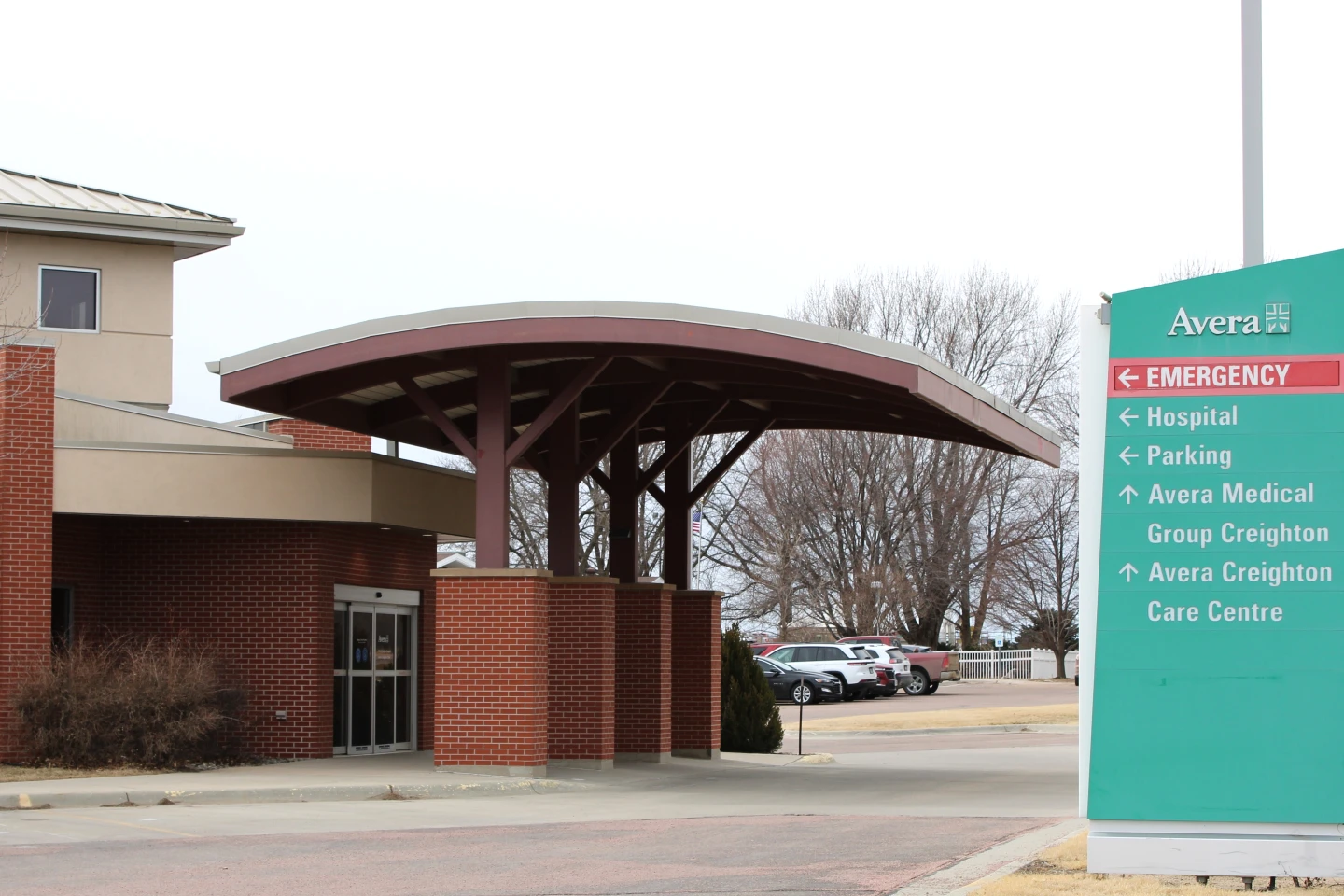
They were devastated to learn about Avera Creighton Hospital's financial difficulties, amidst alarming national trends of rural hospitals facing closure. Recently, a federal fund of $50 billion aimed to bolster rural healthcare has been introduced, yet many believe it won't rectify the funding issues plaguing these vulnerable facilities.
This issue isn't isolated to Nebraska alone; rural hospitals across the U.S. are awakening to the harsh realities of funding challenges worsened by cuts to Medicaid. Many families are left anxious about access to care for their children and loved ones.
The economic dynamics affecting these communities illustrate broader national concerns about healthcare accessibility, especially as midterms approach, where healthcare could dominate voter issues.
Described by many as insufficient, the new federal fund of $50 billion is more focused on innovation rather than immediate relief for struggling facilities. Experts express skepticism regarding whether this financial support can aid hospitals facing imminent closure.
Local officials are scrambling for innovative solutions to support healthcare in rural areas, as some states create measures to help manage financial woes for their hospitals. However, as priority shifts, there remains uncertainty in whether these hospitals can survive upcoming changes.
“The hospital is very important to this community, and for more than just medical care,” Rick Saint John says, emphasizing that job security, alongside healthcare, is at stake for communities reliant on these critical access facilities.