In brief
In the wake of shifting fashion preferences and an increasing desire for personalization, skilled tailors in the U.S. are witnessing a resurgence in demand. Kil Bae, a tailor from South Korea, highlights the importance of bespoke services as more shoppers seek custom fits and modifications. Despite the industry's aging workforce, initiatives by major retailers and fashion schools aim to inspire a new generation of tailors, bridging the gap in this traditional trade.
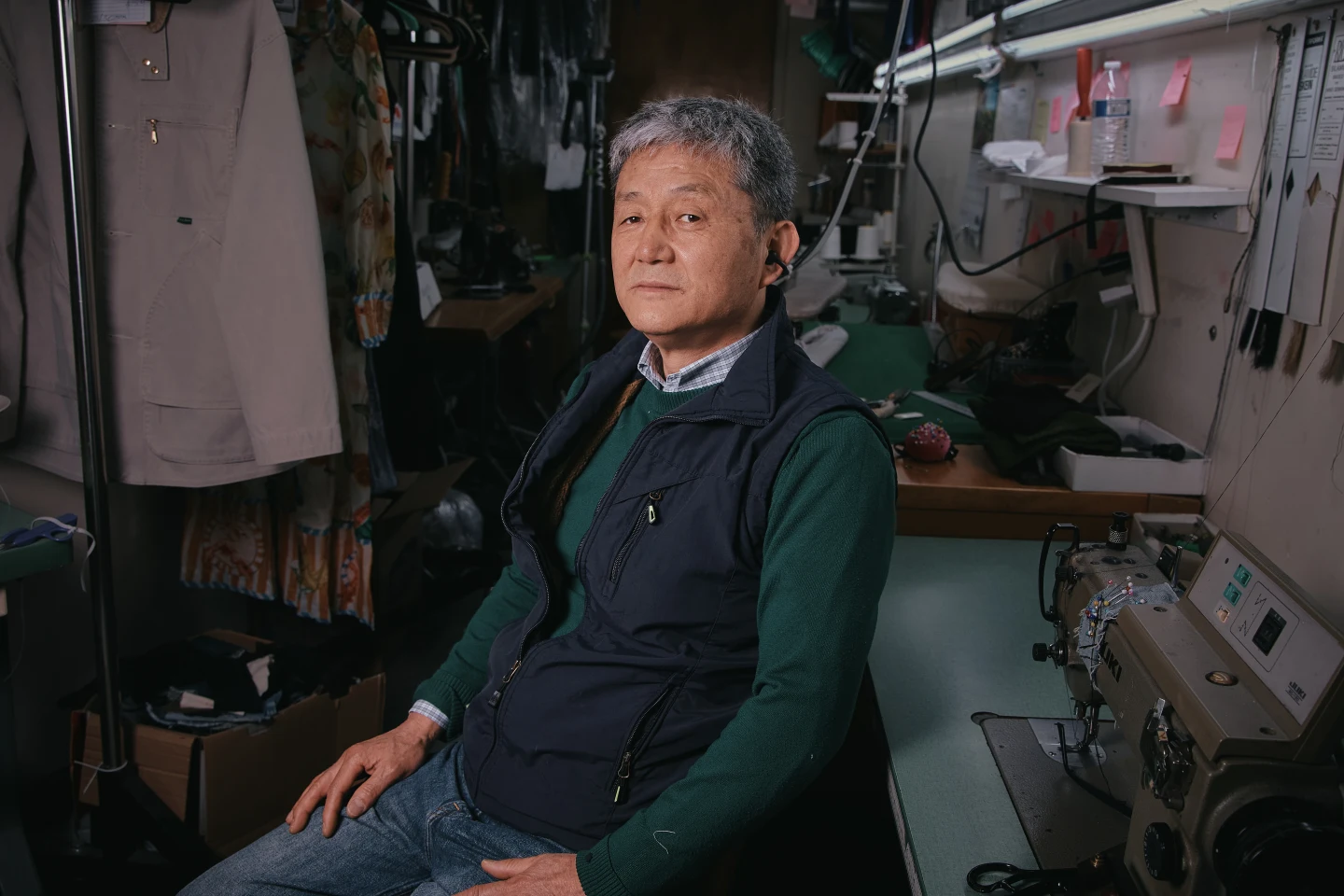
NEW YORK — In a bustling Manhattan tailor shop, Kil Bae meticulously works on altering a vintage Tommy Hilfiger jacket for a customer, an experience that underscores the changing landscape of American fashion. Once a nation enamored with disposable fast fashion, more consumers are now turning to skilled tailors to provide unique fits and extend the longevity of their wardrobes.
At 63, Bae represents a dwindling breed of tailors in the U.S. Where once the profession thrived, now there are fewer than 17,000 tailors, dressmakers, and custom sewers according to the U.S. Bureau of Labor Statistics, a significant decline over the past decade. The average age of seamstresses has also risen, now around 54 years, highlighting the urgency of addressing a labor shortage in this skilled trade.
Consumers emerging from a culture of quick options are increasingly valuing bespoke tailoring. Experts attribute this resurgence to not only the desire for a personalized flair but the newfound focus on sustainable fashion practices. Moreover, the impact of weight loss medications has prompted many to seek alterations for better fitting garments.
Bae advocates for the profession, suggesting to younger generations that tailoring is a future-proof career, noting, This job cannot be AI’d... Different bodies. Different shape. They cannot copy like this. However, despite its artistry, the demanding nature of tailoring does not seem to attract enough young talent, as coupled with low wages compared to other professions, the trade struggles to fill its ranks.
To tackle this challenge, various initiatives are underway. Nordstrom has partnered with the Fashion Institute of Technology to train new tailors. Their advanced program attracted overwhelming interest and aims to foster new talent for a healthier industry workforce.
Despite the challenges, there remains a booming market for skilled alterers. Retailers like Brooks Brothers are expanding their personalization services to meet increased demand, ensuring a deep connection remains between the fashion industry and the art of tailoring. As Bae continues to perfect his craft, he underscores the value of experience and craftsmanship in an era that too often overlooks the artistry of handmade clothing.
As this tradition finds a new foothold in modern fashion, the future of tailoring could lie in blending heritage with contemporary needs, revitalizing an age-old profession.