In brief
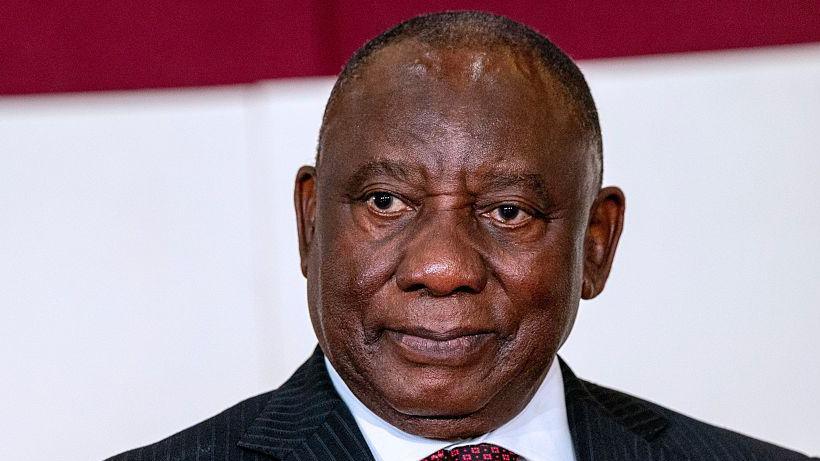
In a decisive move, the Constitutional Court ruled to suspend a parliamentary inquiry into possible impeachment of President Cyril Ramaphosa over the 2020 ‘Farmgate’ scandal. The court found that Parliament had acted unlawfully by shelving a report from an independent panel that suggested the president could be impeachable. The ruling suspends the inquiry until the president’s separate legal challenge against the panel’s findings is heard. Ramaphosa’s case hinges on whether the stolen cash was concealed from authorities and whether exchange‑control laws were breached. The decision marks a significant setback for the coalition government’s attempt to bring the president to justice.
A South African Constitutional Court has issued a temporary injunction that stops a parliamentary inquiry into possible impeachment proceedings against President Cyril Ramaphosa over the so‑called ‘Farmgate’ cash‑theft scandal. The ruling, delivered on Friday, dismissed the Parliament’s decision to shelve a report from an independent panel that had suggested the president might owe an answer to Parliament.
The panel’s 2022 findings were based on evidence of a massive cash heist from the president’s private farm in Phala Phala, Limpopo province. After the heist, which was alleged to involve up to $580,000 in U.S. dollars hidden inside a sofa, the president denied any wrongdoing. However, former spy chief Arthur Fraser highlighted the theft in a dossier sent to police, raising questions about concealment and possible violations of exchange‑control regulations.
Previously, the remainder of the Parliament voted against launching an impeachment inquiry. Still, May’s Constitutional Court decision declared that Parliament had acted unlawfully by shelving the panel’s report, effectively opening the door for a revived impeachment process. With the government now a minority coalition, the stakes are higher.
The court’s injunction, handed down by Judge Andre le Grange, means that Parliament cannot proceed with the impeachment hearings until the president’s separate case—challenging the panel’s remit and conclusions—is adjudicated. The court notes that postponing the inquiry until the outcome of the president’s lawsuit will prevent irreparable reputational harm. The injunction was a majority decision, with three judges involved, two siding with Ramaphosa.
Ramaphosa’s legal team argued that the panel misconstrued its mandate, misjudged the evidence presented, and misinterpreted the four charges advanced against him. The court welcomed this argument, thereby granting the president a landmark pause in the political and legal scrutiny he has faced.
The saga traces back to the 2020 robbery, the details of which were revealed two years later. The presidential farm, located in Limpopo, was set upon by burglars who took the cash that had supposedly been sourced from buffalo sales. The stolen money’s nature as foreign currency added a layer of alleged regulatory breach.
The chemical delays in the legal process highlight a broader constitutional dilemma: whether to allow the executive branch to pause investigations while their own legal challenges are pending. The court’s decision to provisionally halt the impeachment inquiry underscores the judiciary’s commitment to due process over political expediency.
The upcoming September hearing of Ramaphosa’s separate lawsuit may ultimately determine whether the ‘Farmgate’ scandal will drag into formal impeachment proceedings. Until then, the president maintains his official duties and expresses both acknowledgement and respect for the court’s direction.