In brief
The Israeli government has imposed a ban on the United Nations Relief and Works Agency for Palestine Refugees (Unrwa), restricting its operations in Israel and East Jerusalem. This decision may severely disrupt humanitarian services for millions of Palestinians reliant on aid amid ongoing conflicts.
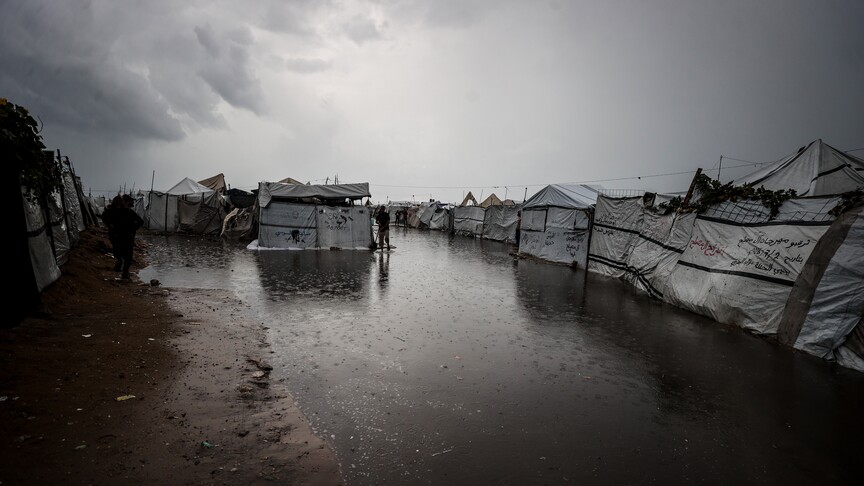
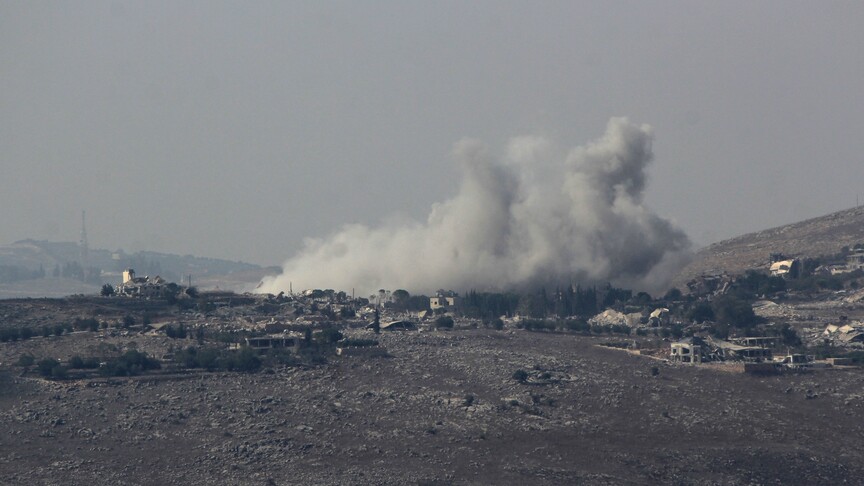
Israel's parliament took a contentious step on Monday evening by banning the United Nations Relief and Works Agency for Palestine Refugees, commonly referred to as Unrwa, from operating within Israel and East Jerusalem. This legislation prohibits any contact between Unrwa employees and Israeli officials, hindering the agency’s functions in both Gaza and the Israeli-occupied West Bank.With Gaza housing over two million residents largely dependent on the agency's aid and services, the ramifications of this decision have elicited widespread condemnation. Unrwa has raised alarms that the new law could lead to the disintegration of essential aid supply chains in the immediate future. The Israeli government defends the ban by asserting that many of Unrwa's staff allegedly supported the assaults carried out by Hamas on October 7, 2022, which resulted in extensive loss of life.Founded in 1949, Unrwa was established to assist the 700,000 Palestinians who fled or were expelled during the creation of Israel. Over the decades, it has evolved into the largest UN agency in Gaza, employing approximately 13,000 individuals. It plays a crucial role in supplying aid, managing shelters, and overseeing vital services such as educational and healthcare facilities, including almost 300 primary schools. Amid the ongoing conflict, the agency has reported distributing food packages to nearly 1.9 million people and providing millions of medical consultations.Tensions between Israel and Unrwa have persisted for years. Critics within Israel question the agency's existence, perceiving it as a mechanism that perpetuates the Palestinian refugee status across generations, while the right to return remains a contentious issue in the Arab-Israeli conflict. Israeli authorities also express concerns about the content of educational materials utilized within Unrwa institutions, which they claim promotes anti-Israel sentiments. Despite these criticisms, Unrwa has consistently countered claims regarding the inaccuracies in its curriculum.The recent decision to ban Unrwa stems from heightened accusations after Hamas's October attacks, leading to intensified scrutiny over the agency. Some 16 countries temporarily interrupted their funding to Unrwa following the allegations that staffers had ties to terrorist groups. Although the UN conducted an investigation resulting in the dismissal of nine employees, it stated that Israel had not substantiated its broader allegations against the agency.Prime Minister Benjamin Netanyahu reiterated the government's stance against Unrwa, insisting that individuals associated with terrorist activities must be held accountable. The newly instated legislation received substantial parliamentary support, with only ten MPs opposing it.This ban significantly jeopardizes Unrwa’s capacity to operate efficiently. The agency's projects scattered throughout Gaza and the West Bank rely heavily on cooperation with Israeli authorities for the transit of aid through border checkpoints. Director William Deere expressed grave concerns, warning that without communication with Israeli officials, the agency risks operational paralysis and heightened vulnerability for its staff.Cindy McCain, executive director of the UN's World Food Programme, highlighted that the essential humanitarian work conducted by Unrwa places it at the nexus of aid distribution. She stated that without Unrwa, the distribution of vital food and medical supplies would be severely compromised.Though Prime Minister Netanyahu insists that humanitarian assistance will persist in Gaza despite Unrwa’s ban, the US State Department has echoed concerns, urging Israel to take significant measures to facilitate the flow of international aid. This warning brings attention to pressing humanitarian needs as the conflict continues to unfold.