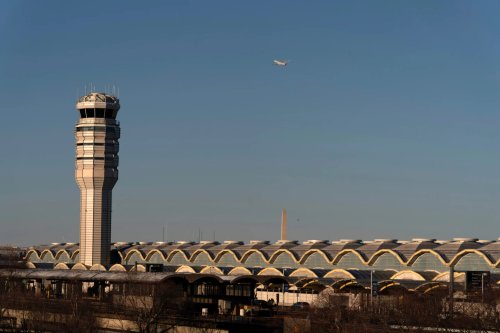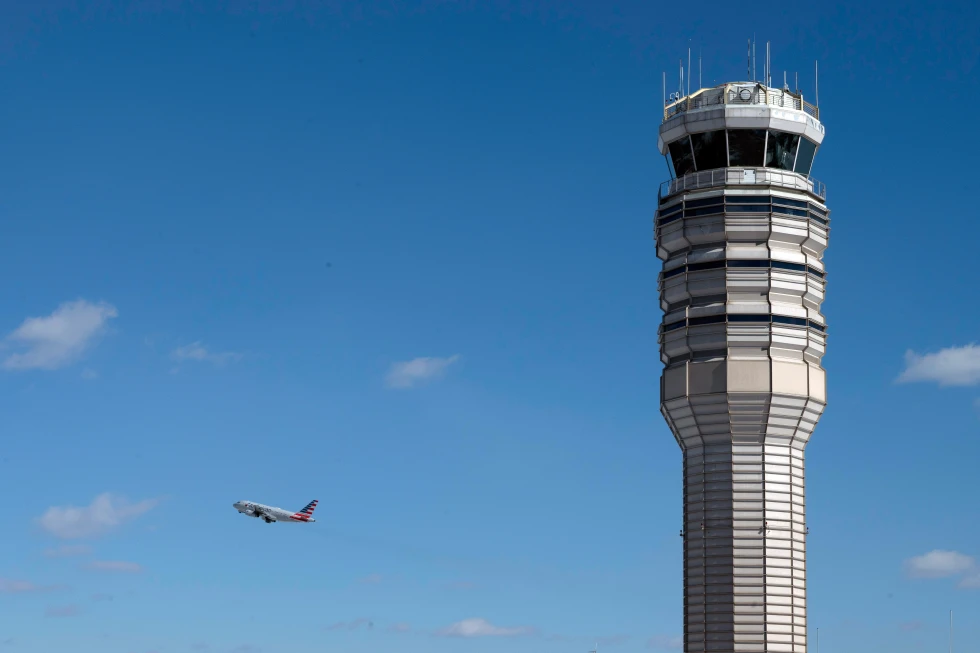
Families of the 67 victims of last year’s tragedy involving an airliner colliding with an Army helicopter near the nation’s capital are urging for the implementation of advanced aircraft locator systems. Experts have long argued these systems could have prevented the collision. However, the fate of the proposed legislation mandating these devices around busy airports remains uncertain.
The Senate Commerce Committee is set to hold a hearing to discuss the necessity of the National Transportation Safety Board’s (NTSB) longstanding recommendations that all aircraft be fitted with systems capable of both broadcasting their location and receiving location data from other aircraft. Currently, only the broadcasting system is mandated.
All individuals onboard the helicopter and the American Airlines jet, including 28 members of the figure skating community from Wichita, Kansas, tragically died in the incident. Families and lawmakers are particularly concerned that had the aircraft been equipped with an Automatic Dependent Surveillance-Broadcast (ADS-B) in system, pilots could have avoided the crash.
While the Senate has unanimously passed a bill requiring these systems, House committee leaders are considering crafting a more comprehensive bill that addresses all NTSB recommendations rather than quick passing of the ROTOR Act. The existing ADS-B out systems that broadcast aircraft location are mandated, but the systems capable of receiving data are not yet standard among all aircraft.
Tragic incidents like the January 29, 2025 crash serve as a harsh reminder of the importance of these safety systems. With each passing year, the arguments for upgrading and improving aviation safety measures become more compelling. As various stakeholders consider the costs involved in upgrading aircraft, advocates stress that the lives saved could far outweigh the financial implications of such upgrades.
“The cost should be viewed through the lens of lives saved,” stated Tim Lilley, who lost his son in the incident. He believes that all necessary recommendations should be pursued to prevent future tragedies like this from occurring.
Moving forward, as families continue to grapple with their loss, the outcome of the Senate hearing may prove vital in shaping the future of aviation safety regulations and ensuring tragedies of this nature are less likely to happen again.