In a rare blend of spirituality and politics, Pope Leo XIV is set to fly to the Canary Islands on Thursday for a week‑long tour aimed at shining a light on the perilous journeys taken by migrants from Africa to Europe.
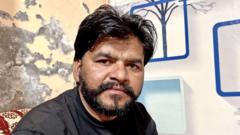
The 19‑year‑old Gambian migrant Bakary Jaiju is one of many whose story underpins the Pope’s message.
“I climbed aboard a wooden boat in Gambia at 19, facing seven days at sea as supplies dwindled. I set out for a better life,” he told reporters upon arriving in Tenerife last year.
“I left my wife and child behind because I wanted them in a better condition, even if I might die.”
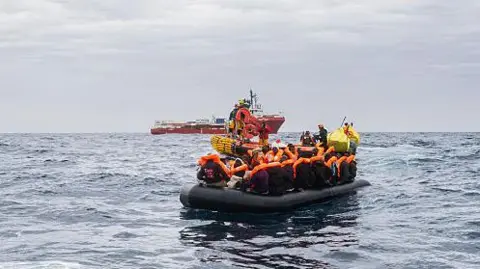
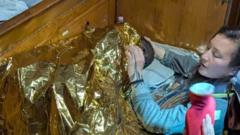
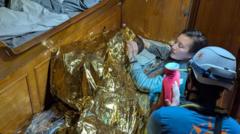
He survived an ordeal of nearly a week at sea with a fleet of some 160 people, evading naval patrols off Mauritania and Senegal before depleting fuel and being rescued near El Hierro.
Three months later he was in a migrant camp in Tenerife, where parish priest Padre Pepe and the Good Samaritan Foundation helped him learn Spanish and secure legal status.
Pope Leo’s focus will be a direct counterpoint to the political rhetoric that frames the influx as an “ideological invasion” or “migration crisis.” He will highlight the tragic loss of life, with many boatloads disappearing without trace, and will urge Spain to offer safe, legal pathways for those unable to trust smuggling networks. He is expected to place flowers in the waters of Gran Canaria as a memorial to those who never survive the trek.
Spain’s government, under Prime Minister Pedro Sánchez, is currently allowing hundreds of thousands of undocumented migrants who arrived before December to apply for residence and work permits, a move criticised by the far‑right Vox party but praised by the Socialist party as a pragmatic response to a shrinking, ageing workforce.
Gran Canaria’s industries are already showing interest. The Domingo Alonso Group, led by Diana del Molino Rodriguez, has begun hiring 18‑year‑old migrants after calling for “workforce gaps” in body‑painting and panel work. A similar initiative has recruited Jene Lama of the same age to repair cars, allowing him to send substantial remittances back home to Ivory Coast.
Across the archipelago, officials fear the European Union’s new policy – aimed at tightening border controls and expelling arrivals by sea – may take an out‑of‑scale effect in the Canary Islands. Yet the push from Pope Leo offers an alternative narrative of dignity, integration, and constructive cooperation.