In brief
A woman was shot by police at a roadblock in Mauritius, sparking angry protests over water shortages and the high cost of living. The unrest escalated into riots, forcing Prime Minister Navin Ramgoolam to impose a midnight curfew and close schools and public transport. The police arrested the officer involved, and several others were detained. While authorities report that traffic has resumed, the potential for further protests remains as water supplies are expected to stay scarce until the rainy season. The government plans a cabinet meeting to assess the situation and chart a path forward.
Police in Mauritius imposed an overnight curfew to quell the worst riots to break out in decades.
Peaceful protests over water shortages and the high cost of living that started a week ago erupted into violence on Friday when a woman was shot and wounded by police at a roadblock.
The circumstances of the shooting are not clear, but the officer has since been arrested and remanded in custody.
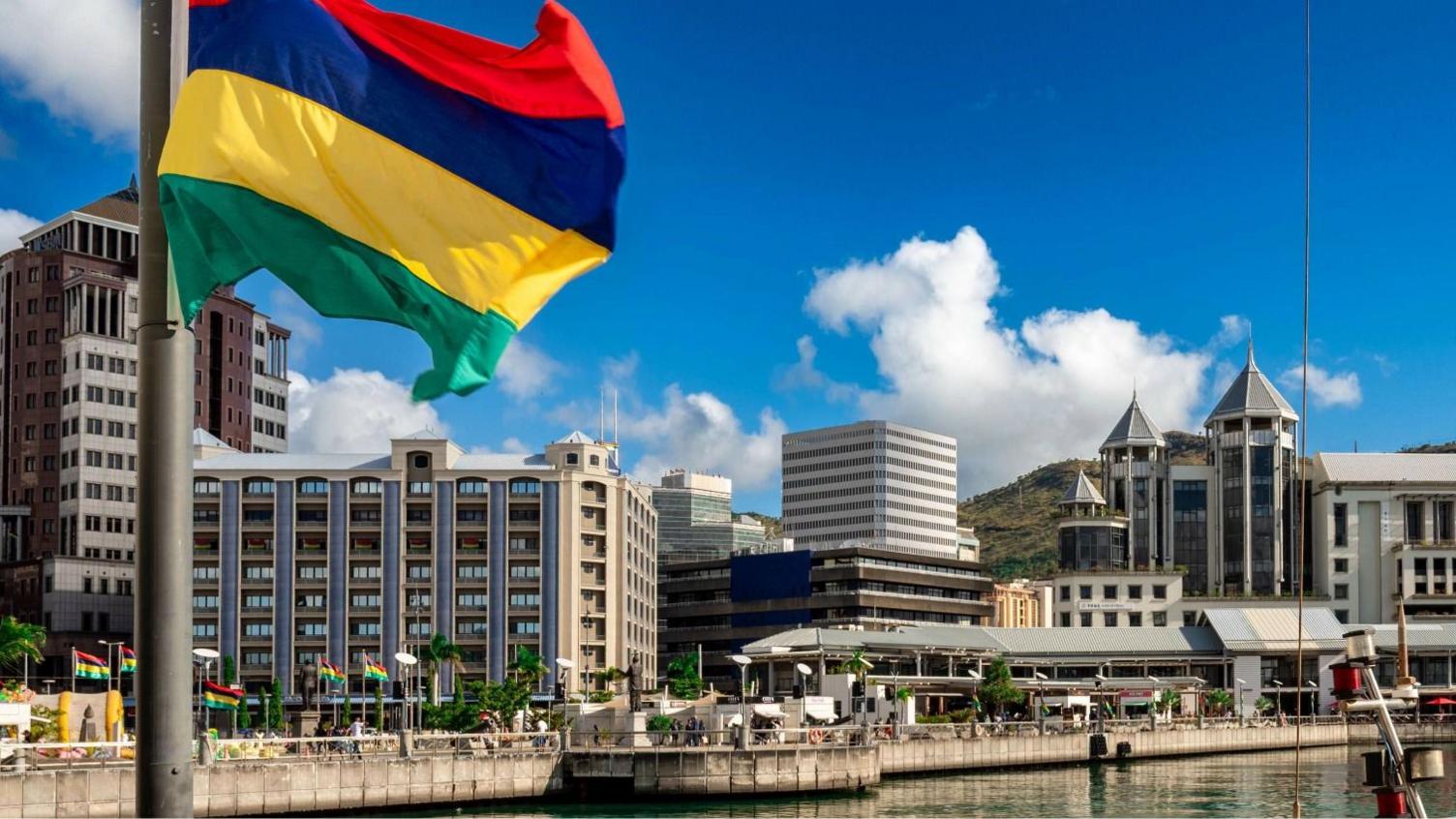
Prime Minister Navin Ramgoolam ordered the curfew on Tuesday, warning against those “acting against the interests of the country”, a tourism and financial services hub.
“Those who have carried out these actions will have to face the very heavy consequences warranted by their anti‑patriotic acts,” he said in an address to the nation.
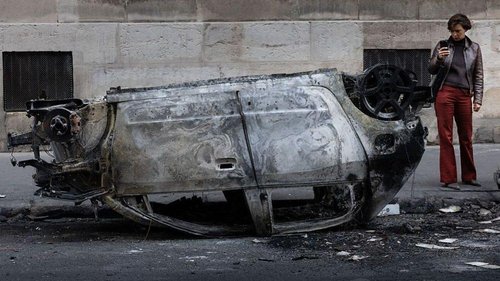
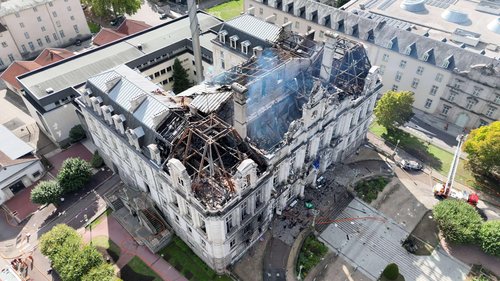
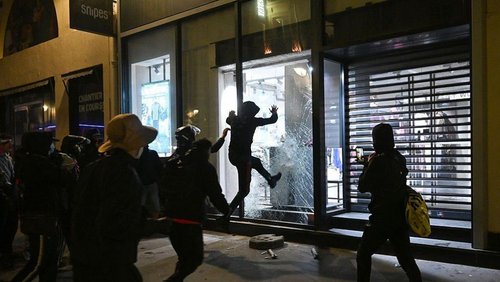
Protesters burned tyres and blocked roads, while police stations and other public infrastructure were vandalised as the unrest escalated over the weekend.
The mayhem prompted the closure of schools and public transport, and foreign embassies issued alerts warning nationals to be cautious.
Despite the curfew, police reported several incidents overnight and a number of arrests.
By Wednesday morning, however, traffic had resumed throughout the island and authorities urged people to resume normal activities.
When protests over the shortage of water initially started, the government responded by providing more water to households, according to Zoë McCathie, an analyst at South Africa‑based Signal Risk.
The escalation presented an “unusual situation for the country’s security situation” and prompted the government to close schools and impose a curfew, she told the BBC’s Newsday programme.
“Protests to this scale and to this extent haven’t been seen… since around 1999. So the government’s response in that case is logical and is necessary,” she added.
While the government has curbed the worst of the unrest, protests could return in some areas, with water shortages expected to persist until the rainy season in December, she said.
The cabinet is scheduled to meet on Wednesday afternoon to reassess the situation and decide on the next steps.