In brief
Nebraska ranchers wrestle with record–high expenses from war‑torn fuel, steel, and tariff policies while a sudden influx of foreign beef slashes cattle prices. Yellowstone‑burned rancher Yvette Mannon and others must replace fences costing almost $5 a foot and haul feed in a market hit by rising diesel. Despite voting for Donald Trump, many feel betrayed by policies that cut into their livelihoods, sparking a shift in political loyalty ahead of the 2026 mid‑terms. Yet those who feel a deep allegiance to the president keep their faith, arguing that the president’s broader agenda still holds promise for the country. The farm sector remains resilient, but farmers now battle financial strain from every side.
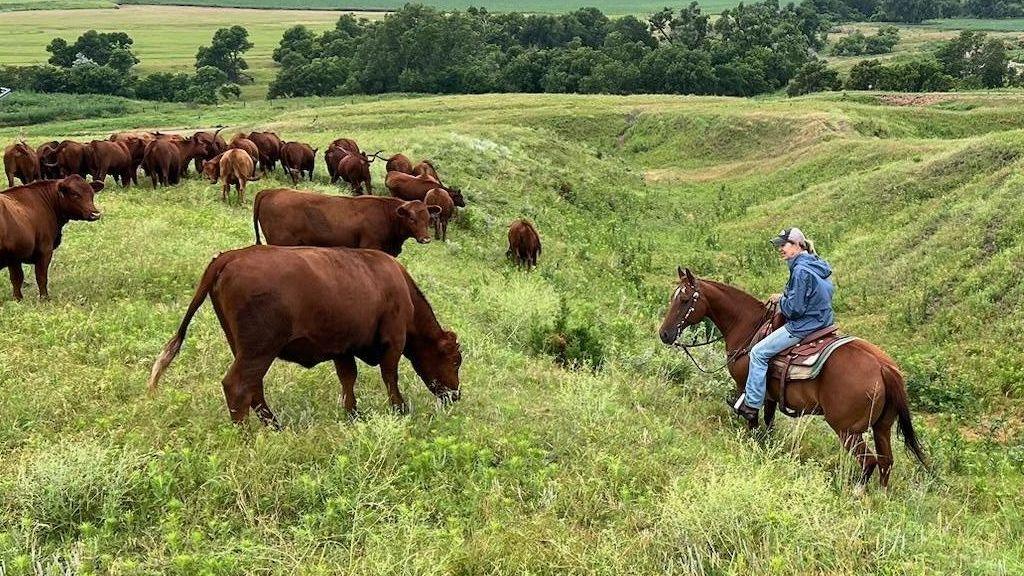
Yvette Mannon runs a 300‑head cattle ranch that was hit by a wildfire in April, destroying 1,600 grazing acres and 13 miles of fence. The damage forced her to replace fencing that now costs $4.89 per foot, a total over $300,000 driven by steel tariffs imposed by the president.
Even in the wake of a fire, Mannon faces another problem: a 40 percent jump in diesel prices caused by Middle‑East tensions. Her operations require daily tractor trips to deliver hay, adding to the financial pressure.
In August the administration announced a duty‑free import of 300,000 metric tonnes of foreign beef, a move that hit the market hard during the crucial September‑November calf‑weaning period and caused wholesale prices to fall almost immediately.
Mannon, who supports the president, told reporters that the policy felt like a betrayal. Her comments echo a growing sentiment among Nebraska farmers who feel pulled from both sides of the political spectrum.
The fallout has also influenced Nebraska politics. An independent rival to the long‑time Republican senator has campaigned on a platform that highlights farmer distress and has gained surprising support among voters who once backed the president.
Other voices include Jake Wolfinger, a feedlot owner who has turned his multi‑era farm into a 5,500‑head operation but has seen profits shrink as beef prices drop by $15 per hundredweight. Wolfinger describes a stomach‑tightening worry about high diesel and criticism of government interference, yet he maintains faith that the president’s broader policy agenda will ultimately help the country.
Jim Jenkins, a longtime rancher whose family homestead dates back 150 years, has written an opinion piece on the morning newspaper to warn of rising costs that may keep him from selling his land to the next generation.
Meanwhile, Don Cantrell, a third‑generation farmer, admits ongoing diesel shortages and a belief that the president’s emphasis on trimming government waste is beneficial for the country, although he respects that economic realities challenge him.
Don Batie, who retired from corn and soybean farming after accounting for falling crop market prices, admits he can no longer pass his 400‑acre farm to his daughter. He voted for the president in 2016 and 2024 but now appears to have moved away from the candidate.
Despite these challenges, the Nebraska farming community continues to operate, holding onto an optimistic spirit that has historically enabled them to survive tough times and endure the changing political climate. The prevailing message is that agriculture is a time‑tested way to stay in the country, though the cost of livelihoods rises each year.