In brief
On September 7 2026, Nepal’s flag flew at half mast as the country honored those lost in a devastating flash flood. A national day of mourning coincided with ongoing rescue operations that have yet to locate over 5,000 missing residents. Flood victims’ families lit candles in a final ceremony, and President Paudel toured the affected villages. Rescue teams are searching ground‑level, aerial, and tunnel sites, hoping for additional survivors. International experts support the effort, reporting just four rescues in the last days.
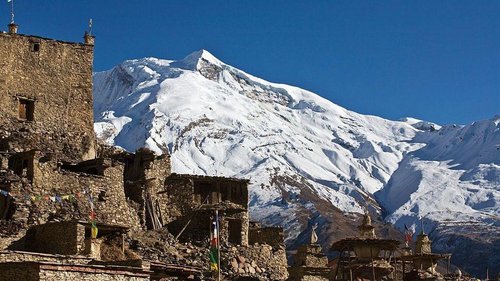
Nepal observed a national day of mourning for the victims of a flash flood that caused 1,287 deaths and left more than 5,000 people missing in the high‑altitude valley along the Tibet border.
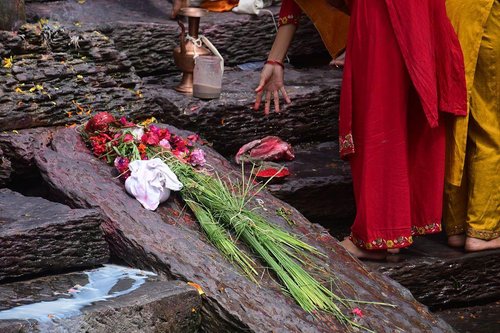
On Monday, flags were flown at half mast, and a candle‑lit vigil will take place in the evening as the country marks the last day of the 13‑day Hindu mourning ritual. President Ram Chandra Paudel toured the devastated villages, while officials said no large public programmes would be held as rescue teams remain on the ground.
The tragedy is regarded as a consequence of a glacial collapse that released a wall of ice, rock and mud across the valley on September 3, 2026. The nation’s National Emergency Operation Centre (NEOC) confirmed that rescue operations are continuing in all three facets – ground, air and tunnel – with a focus on finding survivors inside hydropower stations’ tunnels.
Army spokesperson Raja Ram Basnet told AFP that the rescue tempo had not slowed since day one. He emphasised that “no one is still stranded.” The Nepalese Armed Police Force, U.S. and Chinese specialists, and Australian flood‑tunnel experts have been coordinating efforts in the site’s carved tunnels, which remain a key hope for hidden survivors.
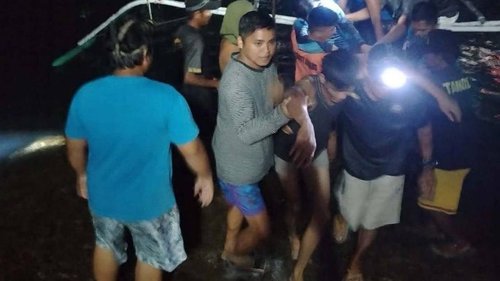
In a recent sign of relief, a 64‑year‑old Nepali woman was pulled out of a mid‑floor of her mud‑buried home after the floods, and four individuals were rescued within the past days, all at hydropower stations. Meanwhile, Chinese teams recovered twelve bodies on Sunday using excavators and ground‑penetrating radar.
The missing count now stands at 5,083 inside Nepal, while the Tibetan side reports 31 deaths and 531 unaccounted people.

A collapsed building at Dunge in the Nuwakot district now stands next to the still‑standing ruins of two damaged houses. Rescue teams are exploring the site, hoping to spot any survivors trapped in the rubble or in the tunnels that run beneath the valley.
The nation continues to grapple with the sea of flood‑damaged homes, the massive infrastructure loss, and the uncertain fate of thousands still missing. The day’s ceremony underscores hope that more lives will be saved by the end of the intense search operations.