In brief
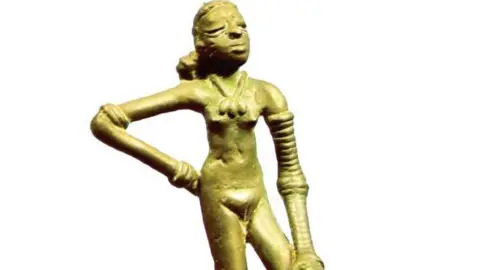
The National Council of Educational Research and Training (NCERT) has removed the shaded version of the ancient Bronze “Dancing Girl” sculpture from its new grade‑nine textbook following widespread criticism from historians and educationists. The figurine, a key artefact of the Indus Valley civilisation, was originally displayed in textbooks without any censorship. NCERT confirmed that the digital version now shows the unedited image and forthcoming print releases will also use the restored photo. The incident highlights tensions between preserving cultural heritage and navigating public sensitivities in educational materials. Ahead of the new National Education Policy rollout, NCERT insists the modification was a mistake and apologises for the oversight.
A plan to cover the torso of the Bronze “Dancing Girl” figurine in a fresh Indian grade‑nine textbook caused a swift wave of backlash. Scholars, teachers and enthused audiences alike demanded the image be returned to its original, fully visible state.
NCERT, the autonomous organisation responsible for curriculum design and textbook publishing, said the shaded version had been lifted from the digital edition and that future print copies would carry the unedited sculpture. Director Dinesh Saklani confirmed the change, citing consultations with experts.
The iconic bronze figure, discovered at Mohenjo‑Daro in 1925, has long been a staple in Indian history lessons. Its posture—one hand on the hip, a bunched bun of hair—has been praised as a testament to the Indus Valley civilisation’s advanced metallurgy and artistic sensibilities. The sculpture now resides in the National Museum, Delhi.
There is no official record explaining why the shaded image appeared in the first place, though media speculated it might have been an attempt to avoid accusations of nudity. Critics maintain that the sculpture’s portrayal as an independent, confident woman is a vital cultural statement and that censoring it diminishes that impact.
The incident unfolds as NCERT rolls out a new “Arts Education Series,” a component of the latest National Education Policy that seeks to weave visual, performing and literary arts into school curricula.