In brief
Moroccan authorities intercepted more than one hundred people attempting to cross into Spain's North African exclave Ceuta, amid heightened tension over a previously record migration surge. The crackdown follows a wave that saw 78,000 arrivals by sea last month, many who died, and prompts Spain to deploy 1,500 officers and new barriers. Both Morocco and Spain have stepped up security – including drones, speedboats, and tear gas – with the stakes amplified by EU disputes over Schengen status. Italy and other EU members have debated border check policies as Spain insists the migrants did not enter mainland Europe. The incident underscores the broader crisis at the Gibraltar Strait and the challenges of managing an ever‑fluctuating migrant flow.
Moroccan security forces stopped a surge of migrants attempting to reach Spain’s northern African exclave of Ceuta, detaining more than 100 people near the town of Fnideq, also known as Castillejos. The arrests come a fortnight after a wave that brought 78,000 migrants to Ceuta by sea, 100 of whom died, and left most returning to Morocco.
Mass Detainment and Harsh Measures
Police in riot gear used tear gas to disperse groups gathered on nearby hills, while drones and navy speedboats followed a rapid escalation in security activity. 111 migrants—mostly from sub‑Saharan Africa—were detained within 3 kilometres of the border, according to Moroccan officials cited by Reuters.
Heightened Security on Both Sides
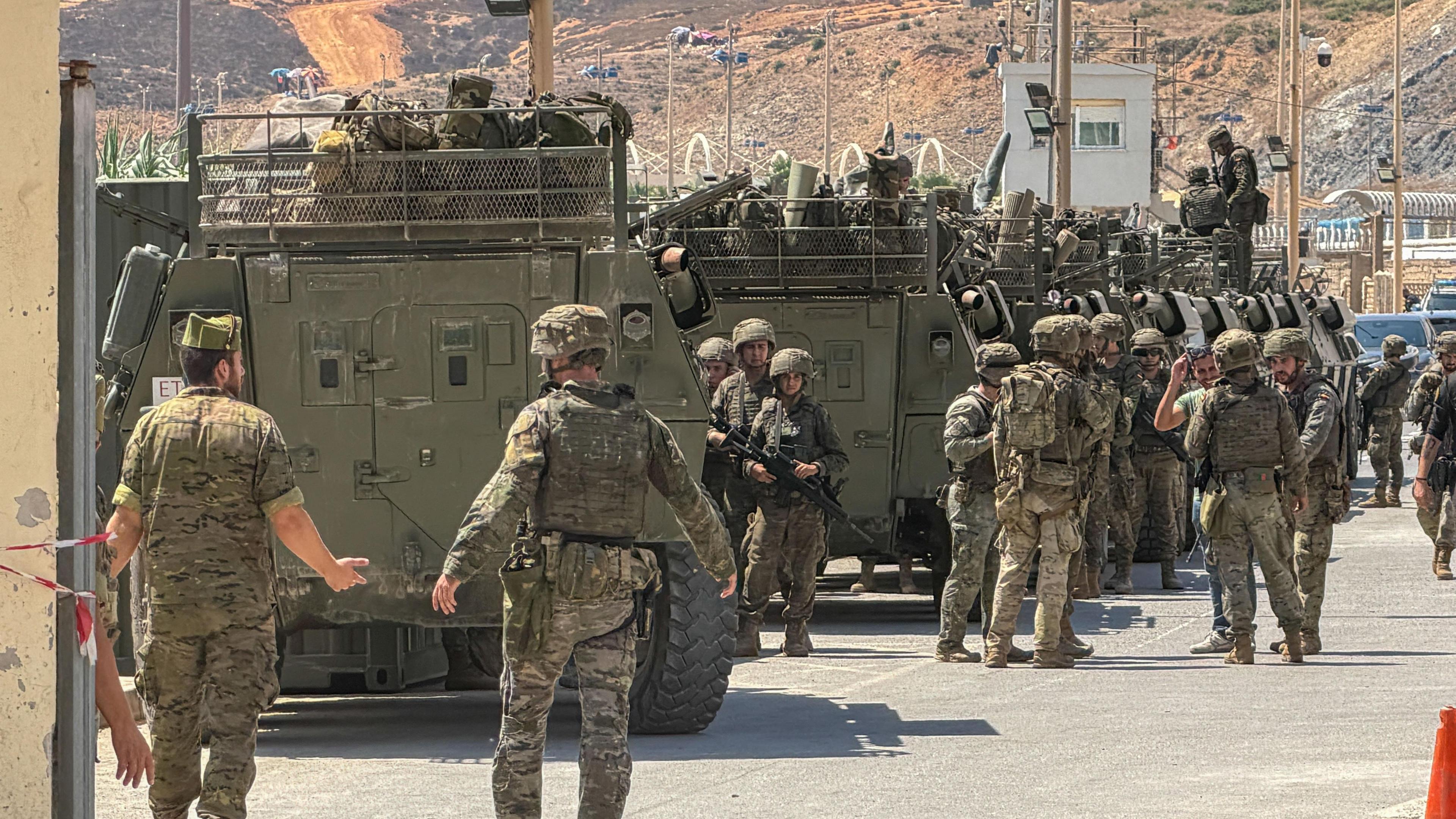
Spain reinforced the break‑water entry point, claiming security had increased tenfold. Madrid stationed more than 1,500 officers and installed a metal fence plus a floating barrier after last month’s influx. Moroccan forces meanwhile deployed army officers, speedboats, and surveillance drones on Saturday.
EU Tensions Grow
Italy suspended the Schengen free‑movement arrangement with Spain, citing a “risk of a new wave of arrivals in Ceuta.” Finland, Denmark and the Czech Republic joined the call for border checks. Spain counter‑attacked, reminding Italian officials that Ceuta is not part of the Schengen area, and warned that the migrants had not entered mainland Europe. The dispute highlights the fragile balance among EU members on dealing with irregular migration across shared borders.
The incident marks a new chapter in the continuing crisis of migration on the Strait of Gibraltar, stressing the need for a coordinated response that balances security with humanitarian concerns.