The Minnesota Nursing Home Workforce Standards Board has announced significant delays in the implementation of a new minimum wage law for nursing home employees. The Trump administration's decision to reset the 90-day clock for evaluating the wage regulations has left many workers in limbo regarding their pay increases.
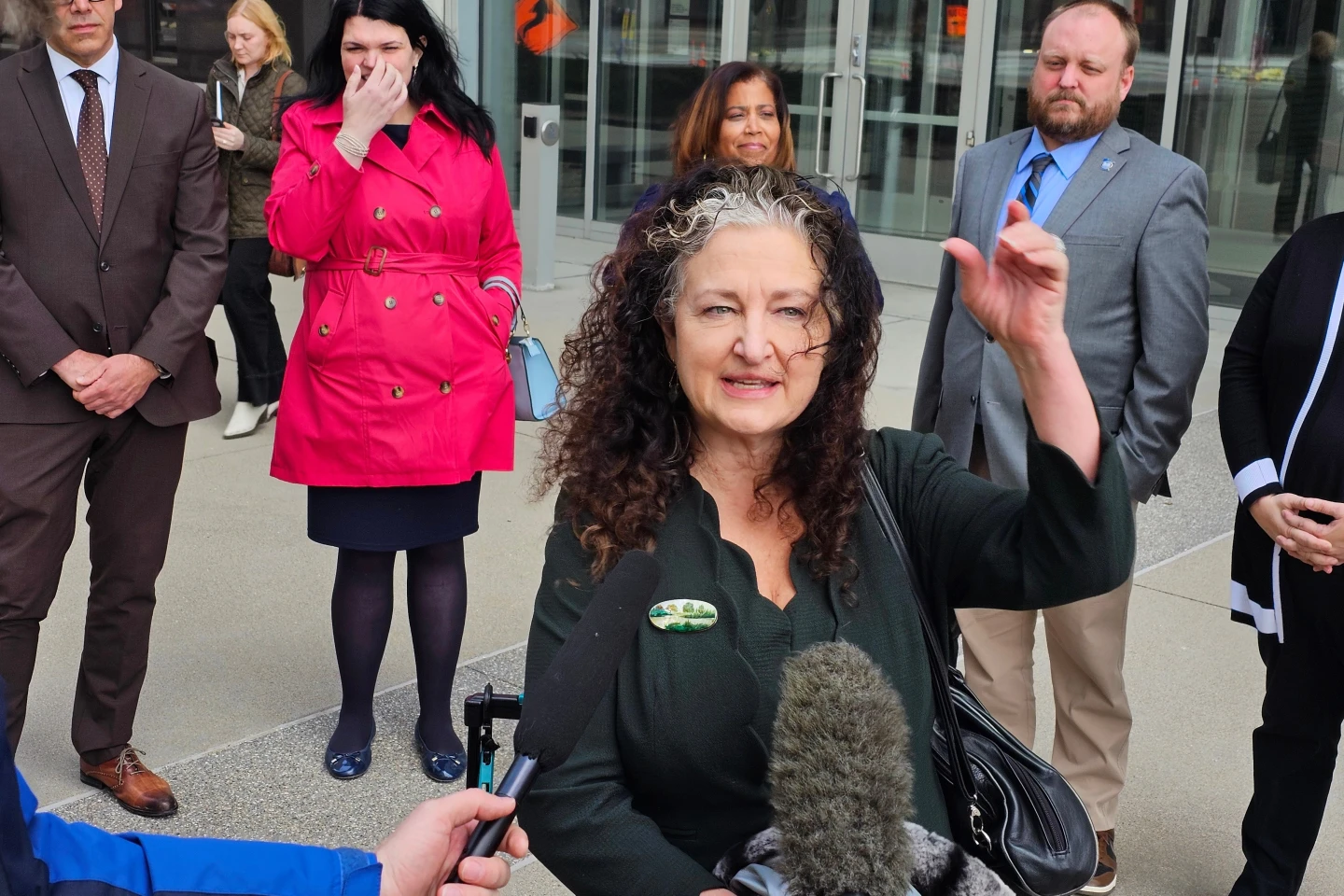
The state law mandates that nursing facility employees earn a minimum of $19 per hour in 2023, escalating to $20.50 by 2027, with licensed nursing staff slated for even higher wages. Leah Solo, the executive director of the Standards Board, conveyed the unfortunate news during a recent board meeting, during which members grappled with the implications of the delayed federal review.
This postponement marks the second significant bureaucratic hold-up for a wage floor originally set to take effect on January 1. The board's establishment, aimed at addressing workforce issues in the nursing home sector, has faced opposition from industry stakeholders, including lawsuits seeking to diminish its authority.
To implement the wage increase, the state must secure approval from the federal Centers for Medicare and Medicaid Services (CMS), which has earmarked $18 million from the Medicaid program to assist nursing homes with the pay increases, matching a similar contribution from the state.
Despite federal guidelines allowing only a 90-day review period, CMS can request additional information, thereby extending the timeline. Solo indicated that on the 89th day of this review, CMS requested more data, triggering a reset.
As these developments unfold, the Minnesota Department of Human Services plays a crucial role in this negotiation with CMS, yet it remains unclear what additional information is needed. The industry has previously criticized delays, noting that the Department's filing was delayed by months, prompting apologies from officials.
Setting a wage floor specifically for the nursing home sector reflects a broader trend where labor unions advocate for improved wages in states across the U.S. Minnesota's initiative stands out as the first focused solely on nursing homes, aiming to enhance compensation in a historically underpaid field.
A federal court hearing is set for next month in relation to the nursing home industry's ongoing lawsuit against the workforce board. Meanwhile, Solo has refrained from commenting on the ongoing legal proceedings.