In brief
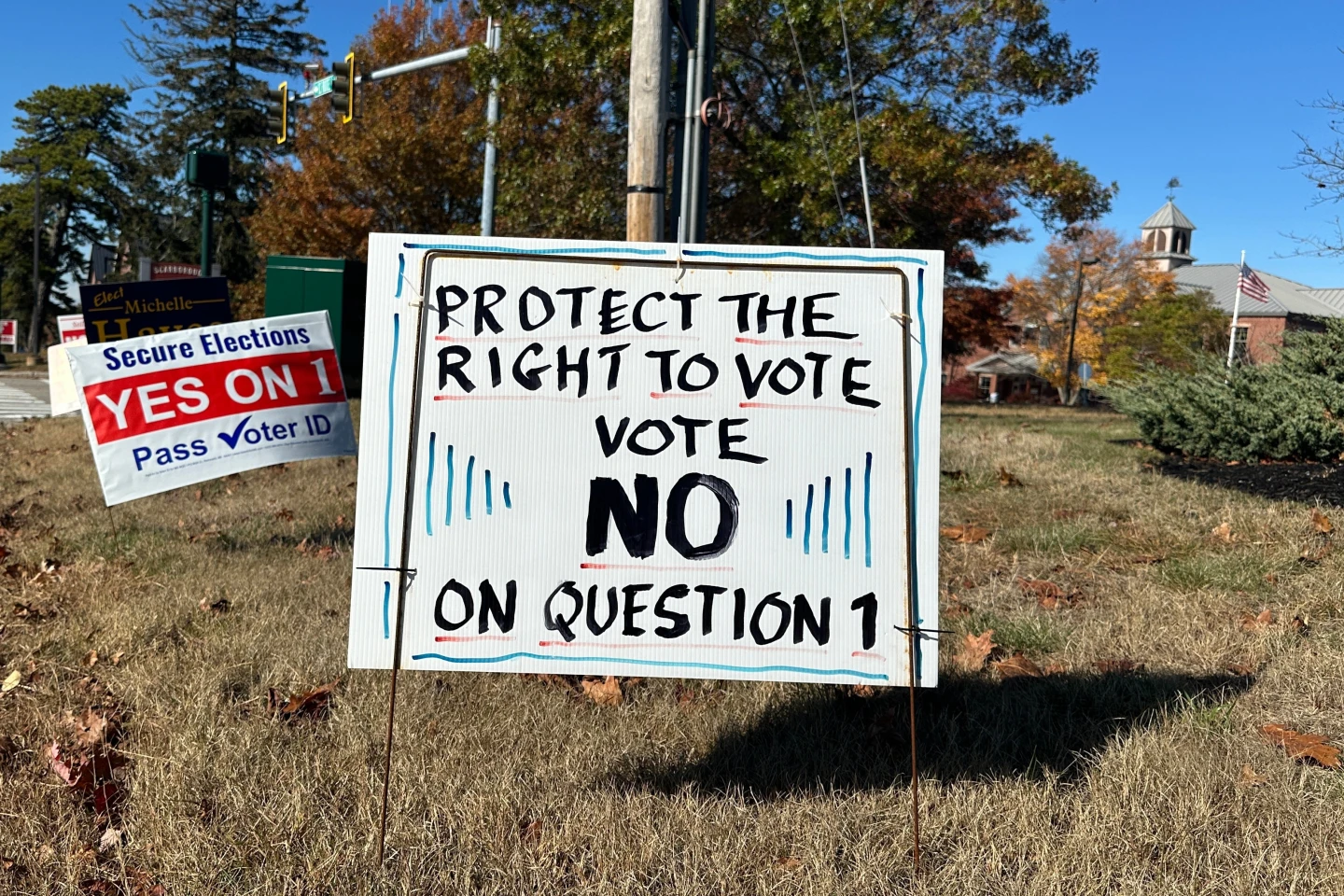
Voters in Maine and Texas are set to decide on significant election measures, with Maine's Question 1 proposing strict voter ID requirements and restrictions on absentee voting. In Texas, a constitutional amendment aims to clarify that only U.S. citizens can vote. Proponents argue these changes will secure elections, while critics warn they may disenfranchise voters and perpetuate unfounded claims of widespread fraud.
PORTLAND, Maine (RTW News) — Recent elections in Maine have generally been smooth, with verified voter fraud cases being notably scarce. Yet, Republicans are pushing for substantial changes in voting practices.
Maine will have a vast measure, Question 1, on the ballot in the upcoming elections, while Texas is concentrating on a proposed constitutional amendment regarding voter eligibility.
Question 1 seeks to mandate voter ID laws and restrict absentee voting, which has seen a rise in use in Maine. The initiative aims to limit the use of drop boxes to one per municipality, a move that has stirred debate due to the growing popularity of absentee ballots.
Democratic Governor Janet Mills and others argue that such measures undermine the fair counting of votes, calling the proposed alterations an attack on fundamental voting rights. Proponents like Republican Rep. Laurel Libby defend the initiative as a means to enhance election security.
Meanwhile, in Texas, Republicans are pushing to amend the state’s constitution to explicitly state that only U.S. citizens can vote. This follows other states that have implemented similar laws since 2018. Advocates for this change assert it will curb any instances of noncitizens voting, despite evidence suggesting such occurrences are extremely rare.
Critics of both measures insist they are solutions to a non-existent problem, potentially deterring eligible voters, especially among marginalized communities. They argue that the focus should instead be on making voting more accessible, not more restrictive.
As the election winds closer, discussions will continue on the implications of these initiatives and the broader conversation about election integrity and voter access.