In brief
President Luiz Inácio Lula da Silva hailed a new oil discovery near the Amazon River mouth, calling it a roadmap to Brazil’s future. The find, located 175 kilometres offshore at a depth of 2,886 metres, may not yet be commercially viable, but the president stresses its value for funding a transition away from fossil fuels. Environmental groups warn the biodiverse region could suffer from spills, while Lula defends the exploration as a sovereign right. With elections looming, the discovery could influence voters in Brazil’s remote northern regions.
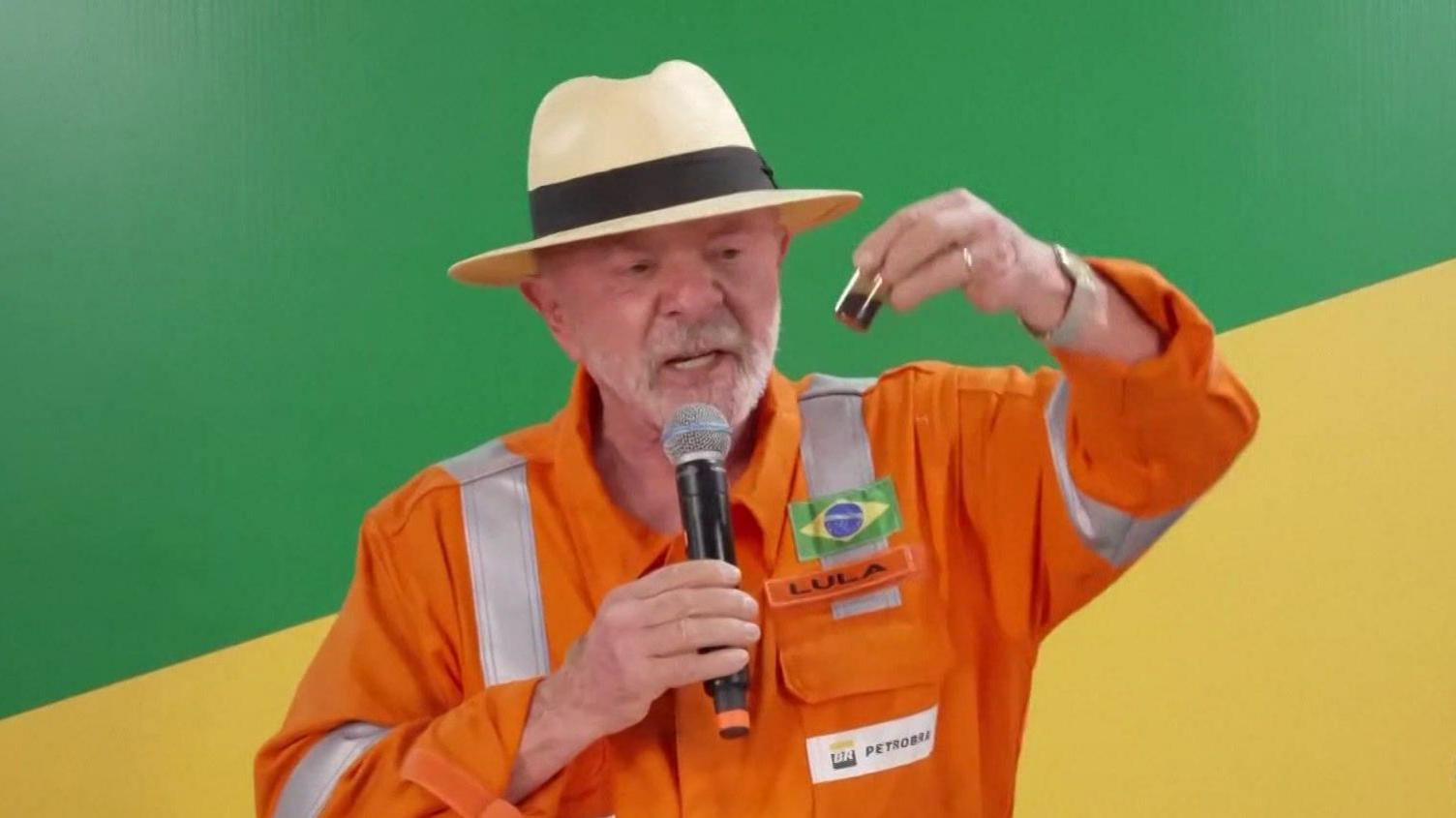
Brazil’s President Luiz Inácio Lula da Silva has gone to great length to celebrate the recent oil discovery that lies just off the Amazon river’s mouth.
According to a statement from state‑run oil company Petrobras, the well, located 175 kilometres (110 miles) from the coast and 2,886 metres (9,469 ft) below sea level, has shown promising reserves, though its exact size remains uncertain.
Lula declared that the find could serve as “a passport to the country’s future,” a phrase used to emphasise the economic potential of the deep‑water field.
The announcement prompted a surge of criticism from environmentalists who fear that any incident could imperil the Amazon’s fragile ecosystems. They warned that currents could carry spilled oil to coastal wetlands teeming with wildlife.
But Lula has dismissed such concerns, describing them as “meddling.” He reiterated that Brazil will pursue a non‑fossil‑fuel future while still monetising existing oil resources to fund renewable projects.
Petrobras CEO Magda Chambriard praised the discovery, saying it confirmed the company’s optimism about finding oil in the Brazilian Equatorial Margin, and that the firm is committed to ensuring the country’s energy security.
The local town of Oiapoque in Amapá state has already felt a palpable impact, with more people arriving in hopes of jobs tied to the offshore operation. Residents report that the influx could change the economic landscape of the area.
As the 2026 presidential election draws near, Lula faces the challenge of boosting economic prospects in remote regions while addressing environmental worries that could alienate voters.
The oil discovery arrives at a time when Brazil’s global image as a climate‑leadership nation faces scrutiny, following its role in COP30 last November.
While Lula continues to champion Brazil’s position as a biofuels innovator, the debate over the Amazon’s future environment persists.