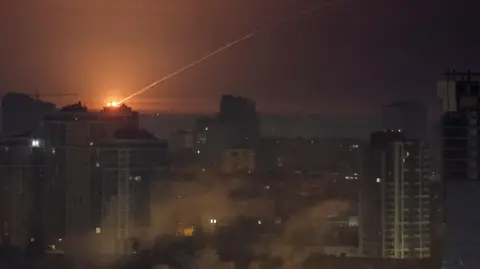
A large Russian aerial strike on Ukraine has again left half of Kyiv's residential buildings without heating or power as temperatures across the country continue to hover around -10C.
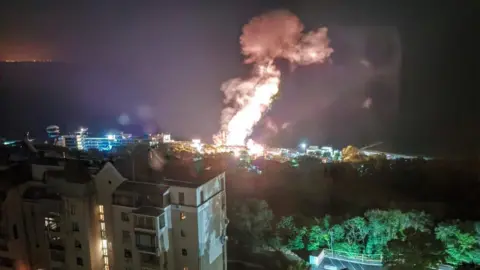
Drones, ballistic and cruise missiles targeted several locations in Ukraine, including Kyiv, Dnipro in the center and Odesa in the south.
Air raid alerts in the capital lasted for most of the night. On Tuesday, sirens rang out again as Russian drones and cruise missiles approached the capital.
President Volodymyr Zelensky said a significant number of targets had been intercepted. However, he stated that repelling the attack had cost Ukraine around €80m (£69m) just in terms of air defense missiles.
Between Monday and Tuesday, at least four people died and 33 others were injured in strikes across Ukraine.
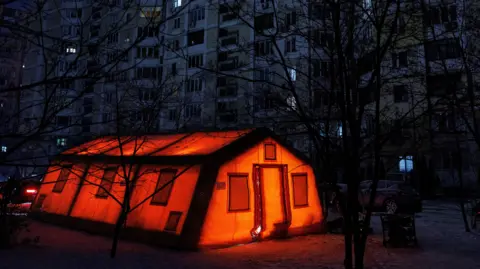
On Tuesday morning, over 5,600 residential buildings woke up to no heating, compounded by the loss of water supply in many areas.
Kyi's mayor, Vitalii Klitschko, noted that almost 80% of those buildings had recently restored heating after a large-scale attack on January 9, which had previously knocked out power for much of the city.
The overnight strikes left residents, such as Oleksandr Palii, without electricity and water, and many struggled to cope with the continual barrage of strikes.
The cold winter has exacerbated the impact, with reports of radiators bursting and indoor fires starting as people attempt to heat their homes using improvised methods.
Despite the adversity, Kyiv's citizens are finding creative solutions to survive, from using portable stoves to collaborating on generators.
President Zelensky postponed his trip to the World Economic Forum in Davos due to the crisis and emphasized the urgency of additional air defense help from international allies, particularly the U.S.
While Ukraine has remained resilient through attempts to cope with the ongoing conflict, local leaders stress the need for timely support and solidarity from Europe and the United States in addressing the humanitarian crisis.