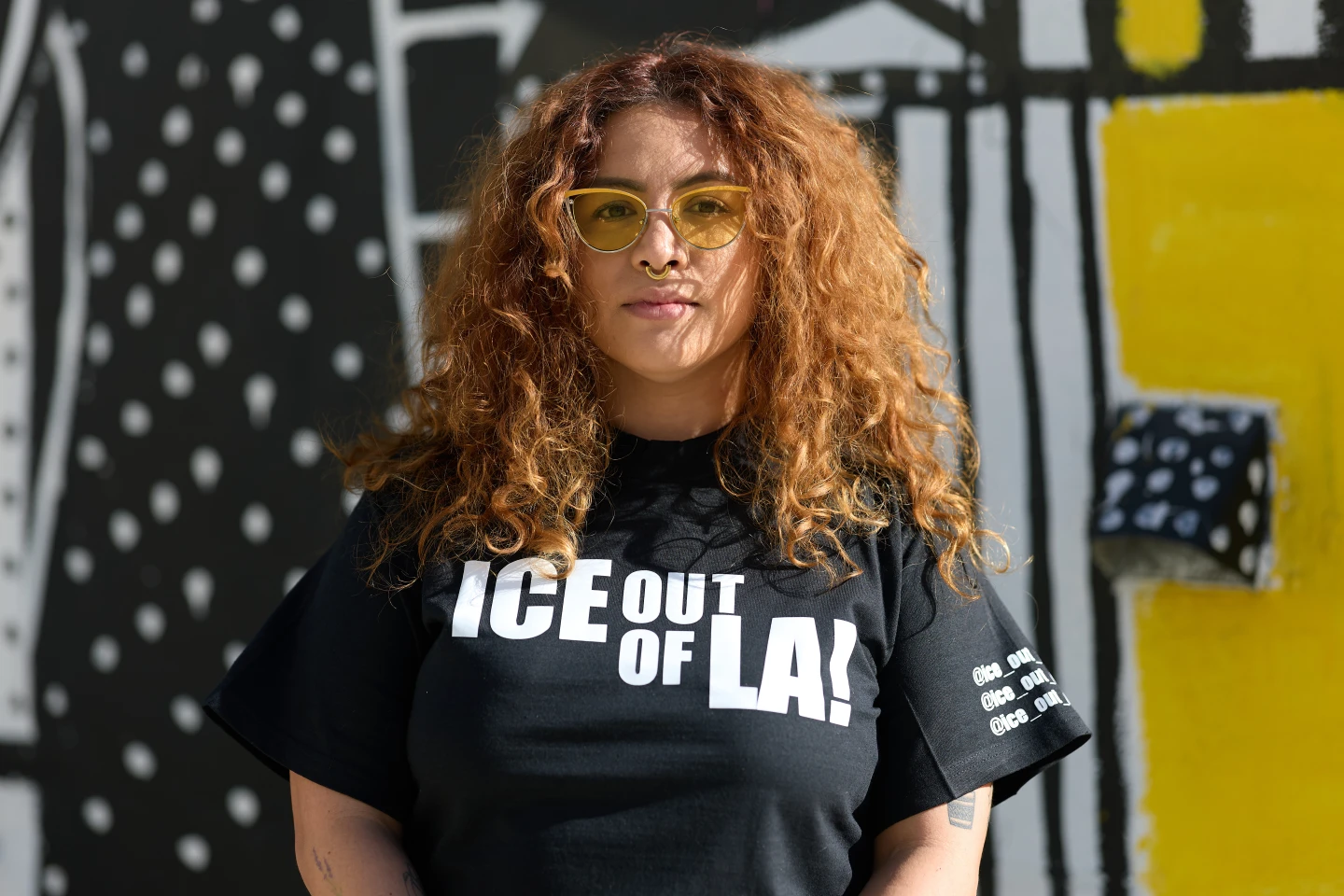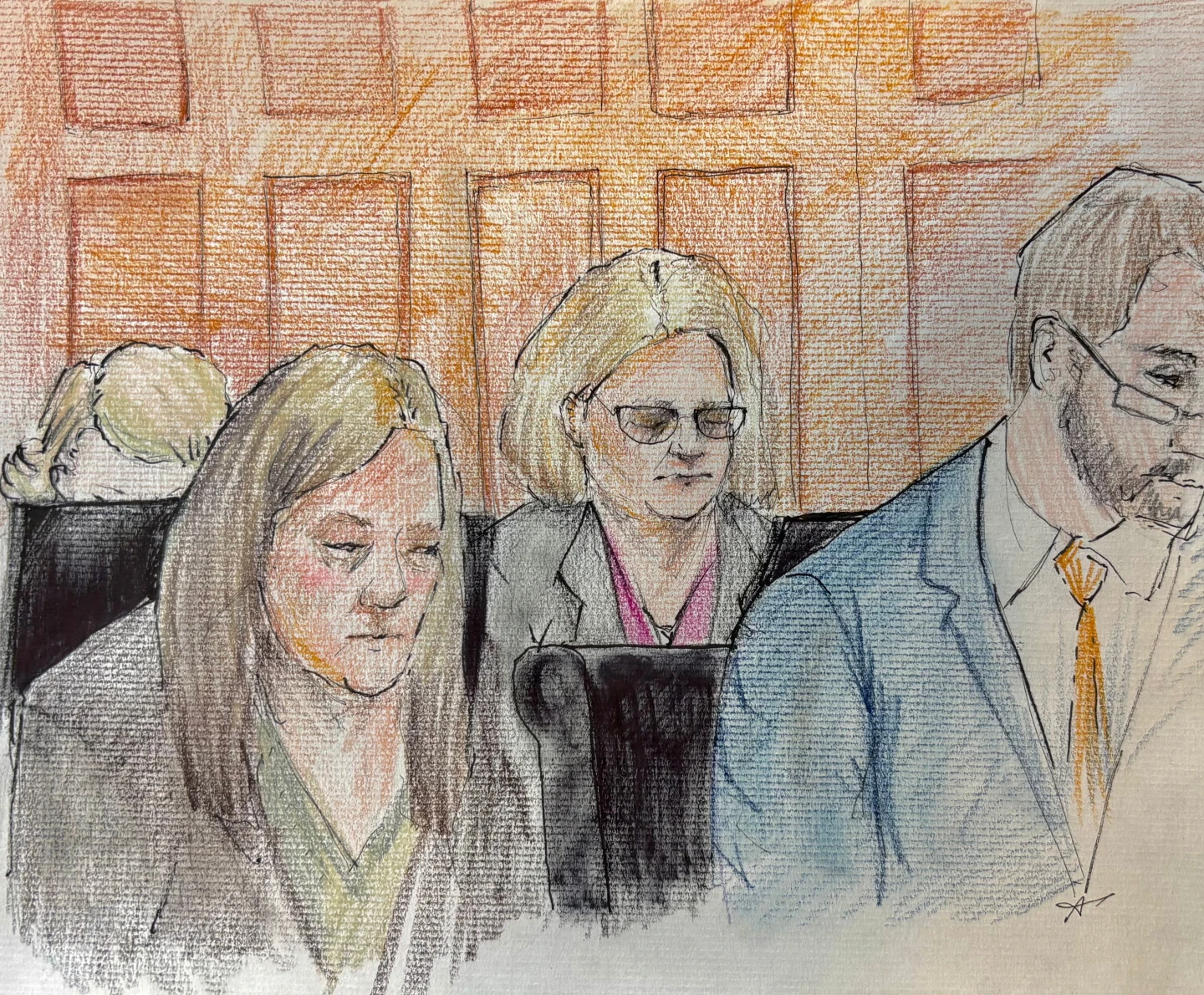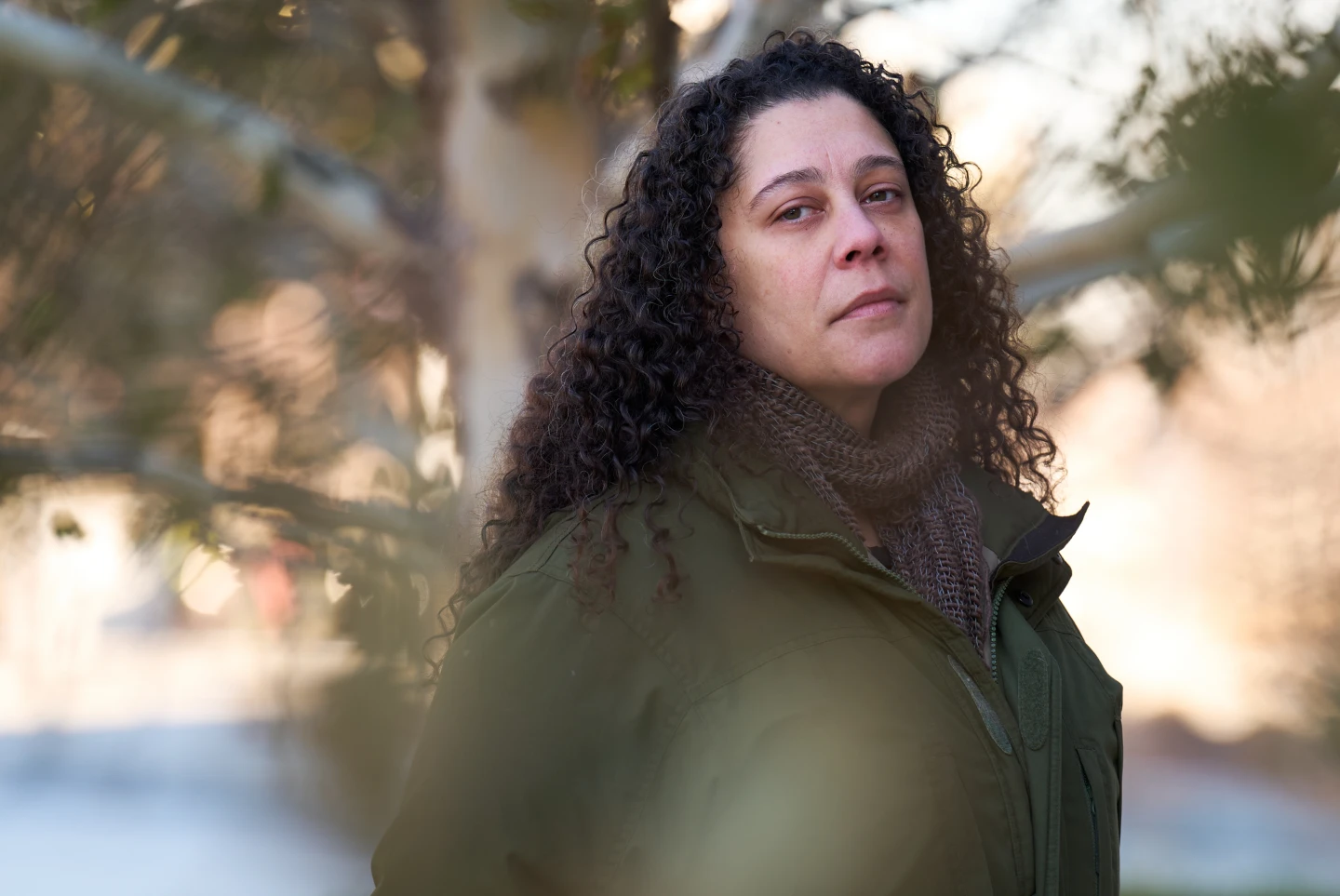
WASHINGTON (AP) — Sidney Lori Reid, a 44-year-old animal hospital worker, faced serious charges following her arrest during a protest against President Trump's immigration policies. Reid described her injuries as mere boo-boos, yet the Justice Department sought felony assault charges against her after an altercation with federal agents. However, jurors, after examining video evidence that depicted the incident, took less than two hours to acquit her of all charges.
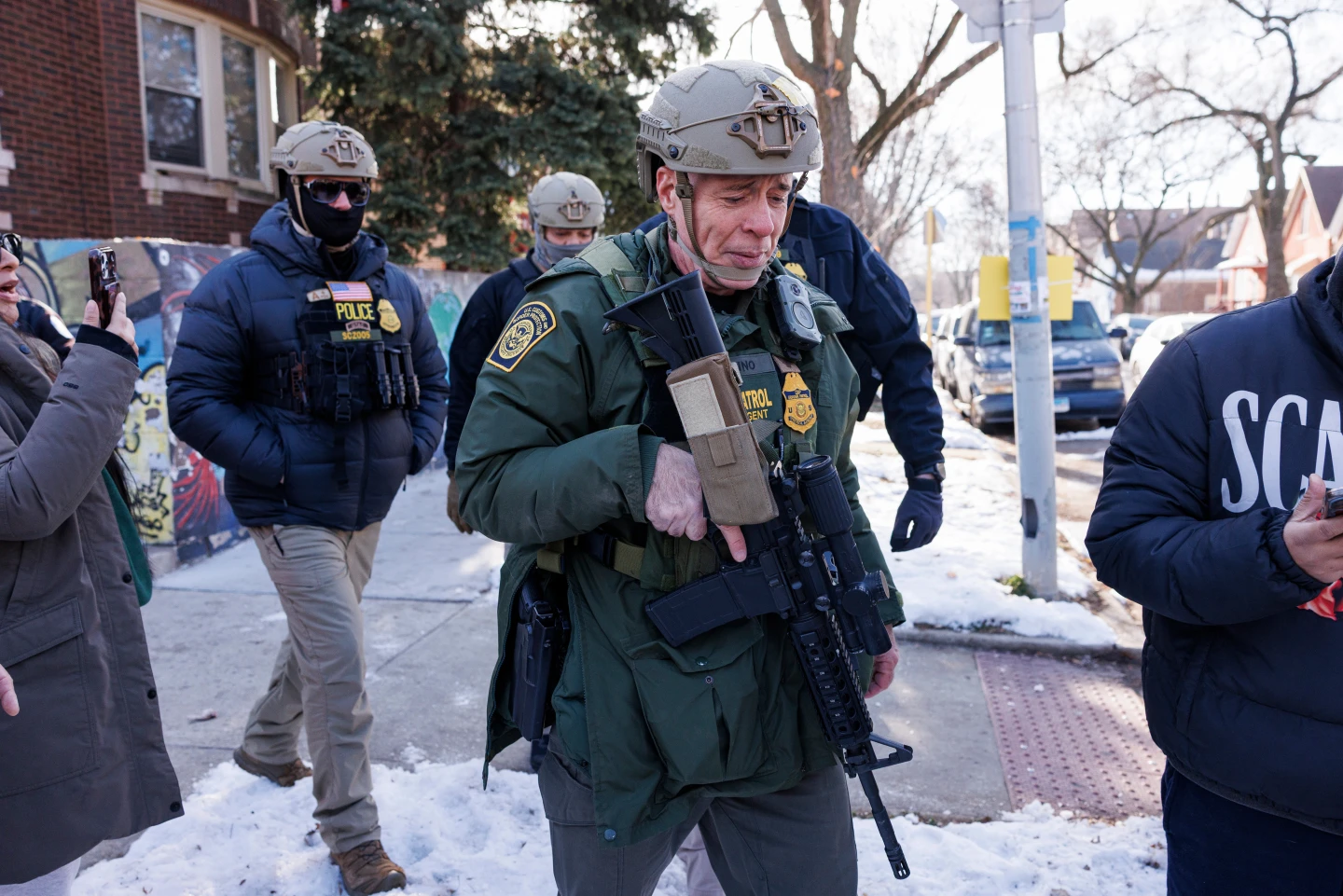
Reid's case is part of a wider pattern where the Justice Department has aggressively pursued protests of Trump's immigration crackdown, but many such cases have been faltering. The DOJ's commitment to holding individuals accountable for alleged assaults on federal officers is now under scrutiny, with numerous cases facing dismissal or reductions to misdemeanors.
Evidence suggests that of the 100 people charged with felony assaults against federal agents, over half had their charges downgraded or dismissed. The justification for the aggressive prosecution approach has come under fire from legal experts, who argue that the DOJ's practices are more about sending a political message than pursuing serious charges based on solid evidence. This has resulted in a string of losses in court, raising questions about the integrity of the cases being built against protesters.
Various cases across major cities such as Washington, D.C., Los Angeles, Portland, and Chicago reveal a troubling trend: defendants are often acquitted or charges are dismissed once the evidence is presented, highlighting a disconnect between the DOJ's public assertions and courtroom outcomes. Experts are now calling for a reevaluation of how the DOJ addresses cases relating to protests, especially as accusations of diminished respect for First Amendment rights surface.
Amid this backdrop, the DOJ maintains that it will continue to seek serious charges against those who allegedly threaten life and safety, despite the challenges it faces in proving these allegations in court.
Reid's case is part of a wider pattern where the Justice Department has aggressively pursued protests of Trump's immigration crackdown, but many such cases have been faltering. The DOJ's commitment to holding individuals accountable for alleged assaults on federal officers is now under scrutiny, with numerous cases facing dismissal or reductions to misdemeanors.
Evidence suggests that of the 100 people charged with felony assaults against federal agents, over half had their charges downgraded or dismissed. The justification for the aggressive prosecution approach has come under fire from legal experts, who argue that the DOJ's practices are more about sending a political message than pursuing serious charges based on solid evidence. This has resulted in a string of losses in court, raising questions about the integrity of the cases being built against protesters.
Various cases across major cities such as Washington, D.C., Los Angeles, Portland, and Chicago reveal a troubling trend: defendants are often acquitted or charges are dismissed once the evidence is presented, highlighting a disconnect between the DOJ's public assertions and courtroom outcomes. Experts are now calling for a reevaluation of how the DOJ addresses cases relating to protests, especially as accusations of diminished respect for First Amendment rights surface.
Amid this backdrop, the DOJ maintains that it will continue to seek serious charges against those who allegedly threaten life and safety, despite the challenges it faces in proving these allegations in court.