Japan Urges Defence Boost to Curb War Risks, Minister Koizumi Stresses
Shinjiro Koizumi, Japan’s Defence Minister, told the BBC that the country must strengthen its defence posture and revisit its pacifist constitution in order to prevent war in the region.
The minister said boosting security capabilities, reinforcing the alliance with the United States, and expanding collaboration with like‑minded countries are essential steps in building multi‑layered deterrence that will keep new conflicts at bay.
Koizumi highlighted policy changes that relax stringent arms‑export rules, enabling Japan to sell or transfer defence equipment to 17 partner nations, including the US and the UK, for the first time in about five decades.
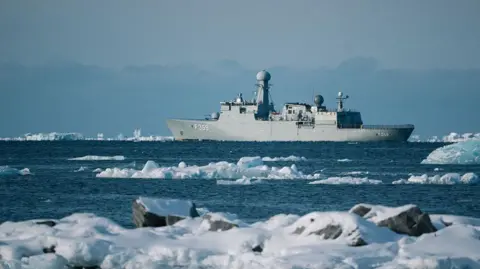
He mentioned ongoing discussions with Australia, the Philippines, Indonesia and New Zealand about the exchange of warships and other maritime assets, describing it as a unprecedented trade of military equipment across the Indo‑Pacific.
Security concerns in Japan’s wake stem from China’s growing military presence and North Korea’s relentless missile tests over Japanese airspace. The minister stressed that these developments demand a decisive strategy change, citing China’s claims over Taiwan and the Senkaku island chain as critical flashpoints.
Despite the urgency, Koizumi emphasized Japan’s continued willingness to engage in dialogue with Beijing, reflecting a cautious yet proactive approach to regional security.
A key point of debate is the potential amendment of Article 9, which renounces war as a sovereign right. Koizumi explained that while the revision is politically motivated, it should stem from a national referendum, highlighting the delicate balance between constitutional change and public sentiment.
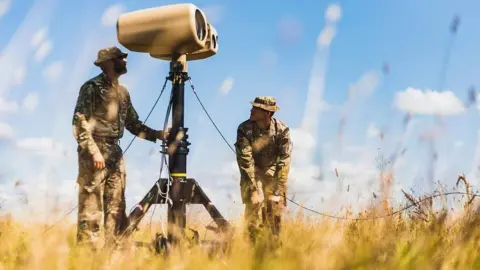
Critics argue that recognising or expanding the Self‑Defence Forces could threaten the pacifist stance, yet supporters contend that increased defence spending and modernised forces, such as unmanned drones and surface‑to‑ship missiles, will strengthen Japan’s deterrence against China’s military escalation.
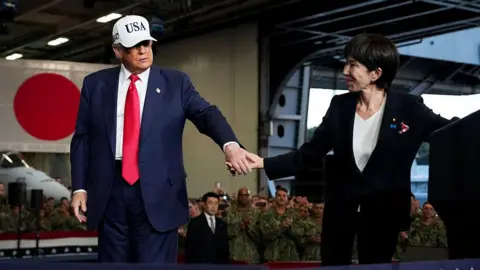
The U.S.‑Japan security alliance remains the cornerstone of Japan’s defence architecture, but recent U.S. officials have called for burden‑sharing, urging allies to increase their own defence budgets as the era of U.S. subsidies wanes.
Koizumi concludes that while Japan benefits from its partnership with the United States, it also aims to play an independent role in preserving regional security, underscoring the decision to safeguard the nation rests ultimately with its people.