In brief
As the electric vertical take-off and landing (eVTOL) market in Europe struggles, several companies including Volocopter, Lilium, and Vertical Aerospace are facing severe financial obstacles, forcing many to pivot towards emergency funding solutions. While some projects remain promising, the overall outlook for the flying taxi dream hangs in a precarious balance.
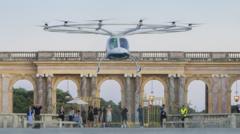
Volocopter, a German start-up, aimed to launch its electric two-seater, VoloCity, in Paris but failed to meet expectations, opting instead for demonstration flights. The company is now seeking urgent investment, with disappointing talks for a €100m government loan and hopes pinned on China’s Geely potentially taking an 85% stake for $95m in funding. This could shift manufacturing to China, underscoring the delicate state of the company.Lilium, another German player, faced a similar fate. Despite impressive orders and ambitious designs for an aircraft with 30 electric jets, the company failed to secure necessary loans from the German bank KfW, prompting it to enter insolvency proceedings. Although aircraft production remains ongoing, financial uncertainty clouds its future.Vertical Aerospace, founded by Stephen Fitzpatrick, has made strides with its VX4 aircraft but grapples with financial challenges. Although it has secured some testing successes, it faces critical funding decisions. A proposed deal from financier Jason Mudrick threatens Fitzpatrick's control over his own company—a situation he resists, despite immediate pressure to secure investment.In contrast, Airbus’s CityAirbus NextGen project appears to be on stable ground with backing from the aerospace giant which boasts ample resources. Other well-funded startups outside Europe, like Joby and Archer, also remain strong candidates for successful production.The viability of the flying taxi market largely depends on how companies navigate operational costs, particularly concerning pilots and maintenance. The optimism surrounding these projects is challenged by rising costs and the harsh realities of the aviation landscape, leaving investors wondering if they can capitalize on the next breakthrough in urban aerial mobility.