In brief
Israel has begun expropriating 450 acres of Palestinian-owned olive fields around Sebastia in the occupied West Bank to develop a new national park, prompting complaints from local farmers and activists. The move is part of a broader push to control archaeological sites, including the Herodium fortress, amid fears that heritage is being manipulated to expand Israeli settlements. Palestinian landowners, such as Abu Mudif, argue that the expropriations are illegal and threaten their livelihoods and cultural identity. UNESCO has added Sebastia to its World Heritage List and marked it as endangered, while Israeli officials insist the project will benefit both communities. Far‑right proponents urge sweeping powers for the heritage ministry to seize land, a bill now stalled ahead of elections.
Israel Accused of Weaponising Archaeology at Sebastia
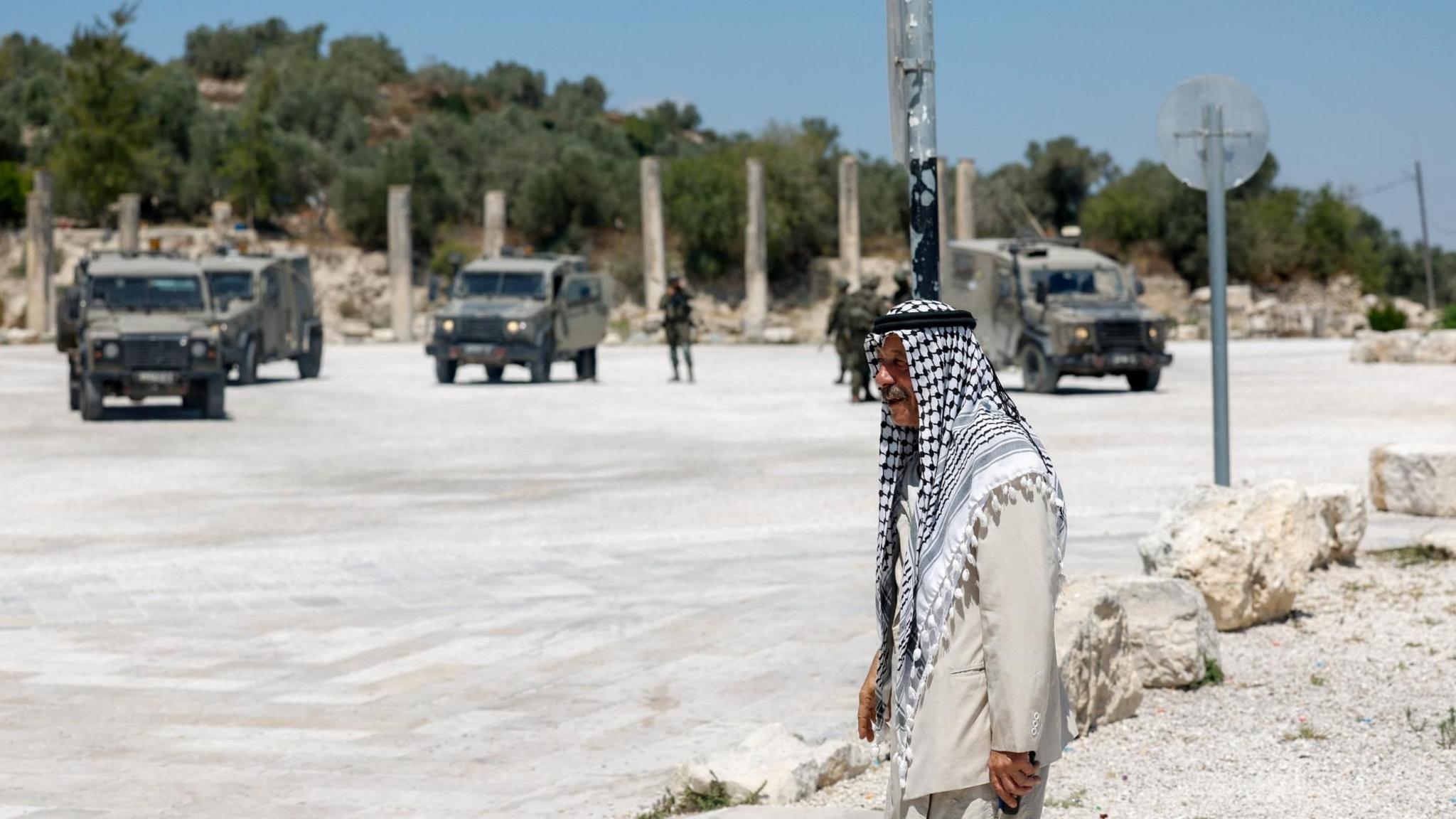
High up in the olive‑field hills above the Roman columns of Sebastia, a town that has seen centuries of occupation, Israeli authorities are seizing 450 acres of privately‑owned farmland to create a new national park. The land, once tended by families like Abu Mudif, who called the expropriation a soul‑ripping loss, is part of the Israeli Civil Administration’s plan to protect and develop the historic site.
Local residents traditionally receive no compensation when the state takes their land, and many refuse offers under the belief that accepting would legitimize loss. Nevertheless, the economic impact on these families is profound. Abu Mudif noted the “lost income” and the cultural erasure of his heritage.
The move comes amid a broader Israeli push to control archaeological sites in the West Bank. Around the same time, Israeli officials have announced that 80 acres of land at the neighbouring Herodium hilltop fortress, built by King Herod, will also be expropriated for “preservation and development.”
The international community, through UNESCO, has responded by adding Sebastia to its World Heritage List and marking it as endangered. UNESCO warns that the step threatens the delicate balance of Palestinian and Israeli heritage, ‘dividing the property’ and potentially undermining local access.
East‑side activists such as Alon Arad, head of the group Emek Shaveh, argue that archaeology is being weaponised to facilitate land seizures. “Israel is not the owner of this place; it belongs to Palestinians,” he says, calling for inclusive management that benefits both communities.
Proponents of the plan, including far‑right members of the current government, are pushing a law that could grant the Israeli Heritage Ministry sweeping powers over archaeological sites. The bill, which passed its first reading in parliament, currently awaits further debate amid looming elections and may never see the light of day.
The struggle over Sebastia reflects wider tensions in the occupied West Bank, where Israeli policy and Palestinian rights clash over land, heritage, and identity. The expropriation not only risks erasing centuries of Palestinian farming culture but also threatens the fragile coexistence of historic sites that have stories for all who live in the region.
Image caption: A Palestinian man walks near Israeli troops at the archaeological site of Sebastia, 29 June 2026 (Reuters)