In brief
In Munich, an Iraqi couple was found guilty of enslaving two Yazidi girls, committing genocide and war crimes. The husband, Twana H.S., received a life sentence, while his wife, Asia R. A., was sentenced to nine and a half years. Prosecutors detailed the brutal acts: rape, forced labour and religious suppression. The case was brought under Germany’s universal jurisdiction laws, allowing trials for crimes committed abroad. The wife apologized in court; the husband did not speak.
In Munich, an Iraqi husband and his wife are sentenced to prison for enslaving Yazidi girls in Iraq, bringing a headline about genocide, war crimes and sexual abuse to Germany’s courtroom.
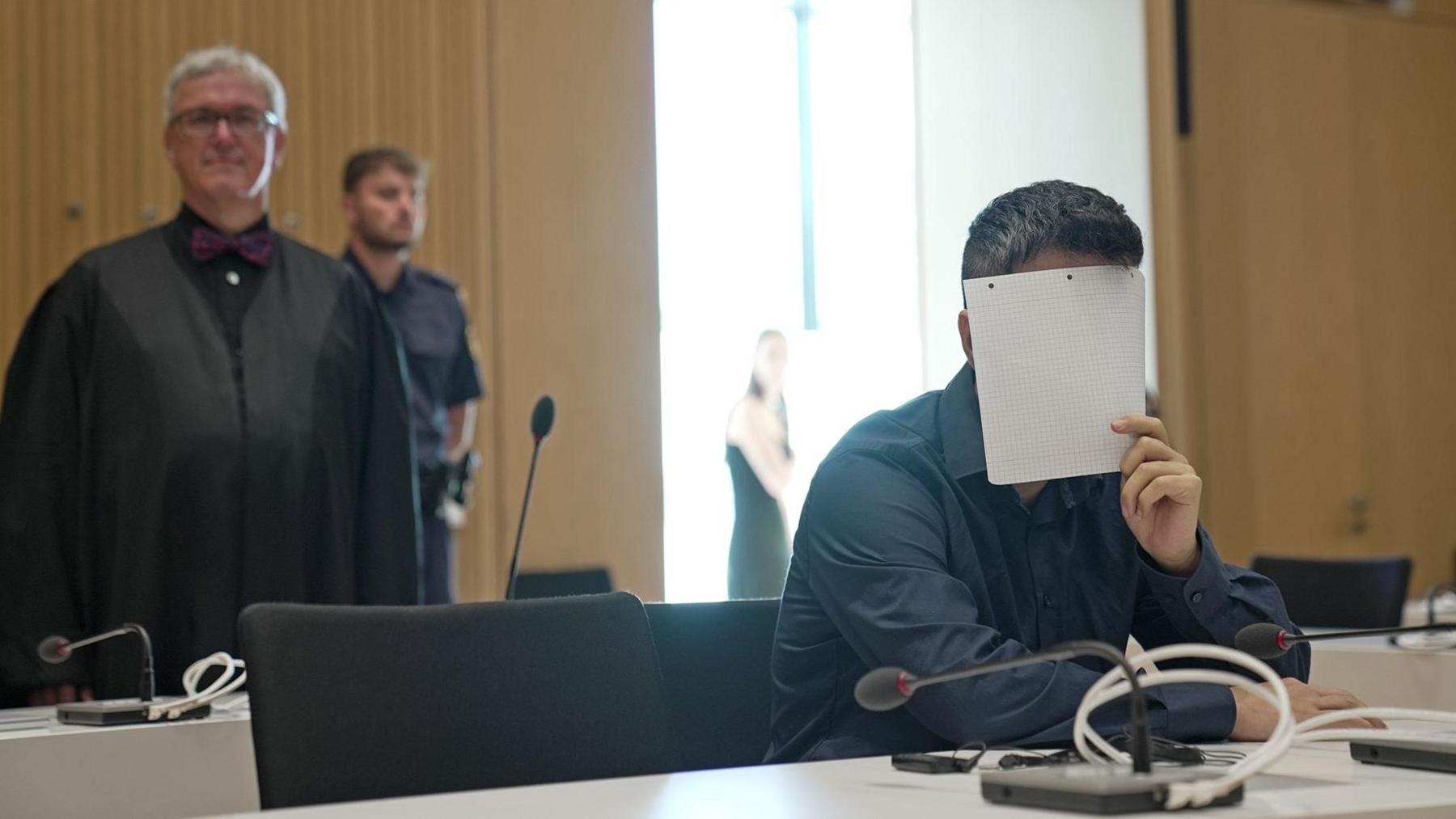
The Higher Regional Court in Munich found Twana H.S. guilty of genocide, war crimes, crimes against humanity and severe sexual abuse of children. He is now serving a life sentence. The judge handed Asia R. A., who was under 21 at the time of the crimes, a nine and a half year juvenile sentence.
During the trial, prosecutors described how the couple bought a five‑year‑old Yazidi girl from a bazaar in Mosul in late 2015 and later bought a twelve‑year‑old girl in October 2017. Both girls were raped and forced into domestic labour; their religion was suppressed, and they were physically abused. Asia reportedly scalded one girl’s hand with hot water.
The Yazidis, a Kurdish‑speaking minority hunted by IS from 2014 onward, suffered mass killings and enslavement. Their persecution is recognised by Germany as genocide. A daughter‑in‑law testified about beatings, forced labour and repeated rapes, while her sister remains missing.
The trial was possible under Germany’s universal jurisdiction laws, which allow the prosecution of war crimes and genocide committed overseas. Twana, a former asylum seeker who had worked as a hairdresser, had been radicalised at a Munich mosque before returning to Iraq in 2015.
In her final statement, Asia R. A. apologized, saying “I’m sorry,” but her husband declined to speak in court. The case highlights Europe’s continued push to hold those who perpetrated atrocities in the Middle East accountable.