Iran is 10 days into one of the most extreme internet shutdowns in history, with 92 million citizens cut off from all internet services and even disruption to phone and text messaging.
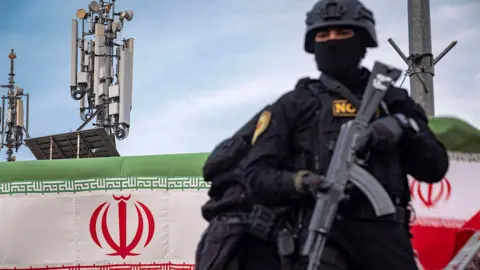
The Iranian government cut off services on 8 January, apparently to stifle dissent and prevent international scrutiny of a government crackdown on protesters.
Iranian Foreign Minister Abbas Araghchi said the internet was cut off in response to what he described as externally directed terrorist operations.
The government has not indicated when internet services will return, but reports suggest that authorities may be planning to restrict access permanently.
According to IranWire, government spokesperson Fatemeh Mohajerani announced that international web access will not be restored until at least the Iranian New Year in late March.
Internet freedom observers at FilterWatch have indicated that the government is hastily implementing new systems and rules to sever Iran from the international internet.
While BBC cannot independently verify this, sources mention that internet access is unlikely to return to its previous state.
The Iranian regime has historically maintained strict control over internet access, blocking most Western apps and platforms.
Campaigners from Access Now assert that shutdowns have become a tactic to conceal government violence during protests.
As reports emerge indicating severe consequences for the Iranian economy due to the shutdown, including impacts on e-commerce and livelihoods, activists are amplifying calls for restoring internet access.
Furthermore, the Telecommunication infrastructure may be evolving into a tiered system requiring government approval for accessing the global internet, as noted by cyber experts.
This shift towards intensified internet control reflects broader trends in repressive regimes utilizing technology to manage and surveil their populations.
As Iran potentially follows strategies employed by countries like China and Russia, analysts highlight the political implications of such moves and advocate for a universal internet access that transcends governmental controls.