In brief
In a rare expose, two Russian exiles working for Ukrainian intelligence—known as Ivan and Foma—describe the clandestine world of sabotage within Russia’s own borders. Ivan, a former political opponent, claims to orchestrate drone‑based attacks on strategic Russian military sites while keeping civilian casualties at bay. Foma runs a covert network of volunteers who supply Ukrainian agents with surveillance data and intel on Russian officers, fueling a series of high‑profile assassinations and targeted strikes that have shaken the Kremlin. Although the Ukrainian General Staff denies formal involvement in many incidents, both operatives underscore the blurred line between sabotage and direct military action. The revelations illuminate the risks, rewards, and moral complexity of working against an authoritarian regime from the inside.
On the faint glow of a livestream, the BBC’s World Service documentary Shadowmen: Russians working with Ukraine flips open a door to a clandestine realm. Two men—all undercover inside Russia but officially linked to Ukrainian intelligence—brandish stories of drone strikes, surveillance networks, and the thrill of hostility against Vladimir Putin’s regime.
Meet Ivan: The On‑The‑Ground Widowmaker
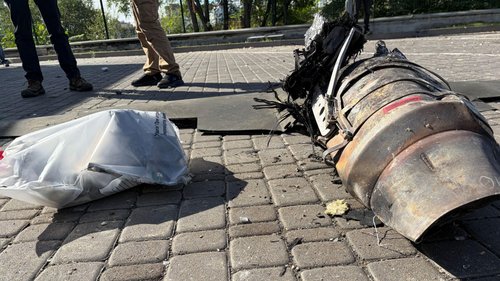
In the documentary’s opening scenes, an unnamed man—later known only as Ivan—reveals how he helps Ukrainian forces target Russia’s strategic bombers and ammunition plants without leaving traces of Russian civilian casualties. He describes clandestine installations of miniature explosives, emphasizing that “the single strike can destroy an asset worth millions of dollars.” His testimony is backed by a video showing a hidden explosive device set near a Russian airfield, a stunt that could have cost him decades in prison if discovered.
Foma: The Remote‑Surveillance Master
Foma, now living in Poland, runs a clandestine digital network that monitors high‑ranking Russian officers. He trains volunteers on how to trace movement patterns, manage files that contain vital personal data, and advise Ukrainian strategists on targeted eliminations. A highlighted operation was the December 2025 killing of Lt Gen Fanil Sarvarov, a coup‑conscious official whose body‑guarded presence was revealed by Foma’s surveillance.
Inside the Operations
Both men stress that their work is advisory; none of their contacts have directly carried out an assassination. Instead, they supply Ukrainian intelligence with target logs that include photos, ages, and vehicle details—data that can be leveraged by Ukrainian operators to coordinate drone and artillery assaults. Ivan’s network counts an estimated 300–500 operatives, a figure that remains unverifiable but hints at a sizable unseen workforce.
Risks and Moral Compasses
Both operatives live under constant fear. “Fear is always present,” Ivan admits, “even when you do nothing.” Yet their motivations differ: Ivan’s ideological opposition to Russia’s war drives him, while Foma is motivated by a belief that “the person who does terrible things for the regime should feel the consequences.” They both acknowledge that missing a target or being caught could lead to imprisonment, execution, or at least total loss of network integrity.
What It Means for the Siege
Ukrainian officials confirm that drone strikes are a key component of their strategy to cripple Russian logistics. According to the Ministry, they coordinate these attacks with a covert intelligence component—exactly the work Ivan and Foma describe. While Ukraine never directly claims responsibility for targeted killings, statements from Ukrainian intelligence officers, citing the 2024 killing of Lt Gen Igor Kirillov, echo that of the shadow network’s admitted support.
Concluding Stride to Freedom
Both men remain in a precarious balance between freedom and surveillance. Ivan’s disappearances—traveling to Georgia without detection—challenge narratives about a tight Russian security net, while Foma’s network teeters on the edge of online detection. The footage and testimonies cue a narrative of a war that reaches far below the front lines, a hidden battleground where a smattering of insiders actively try to pry up the Kremlin from inside.