Warning: This report contains details of physical and sexual abuse and discussion of suicide.
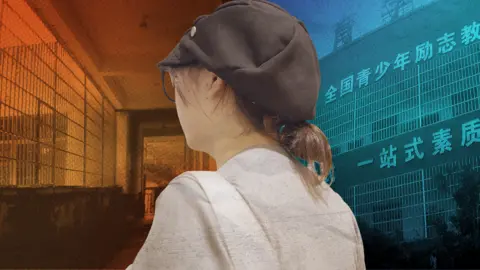
Baobao's heart still races when she smells soil after morning rain. It takes her back to early military drills behind locked gates - and the constant fear that marked every one of her days at Lizheng Quality Education School.
For six months, aged 14, she barely left the red and white building in a remote Chinese village where instructors tried to 'fix' young people whose families considered them rebellious or problematic. Students who failed to comply were beaten brutally, leaving them unable to sleep on their backs or sit down for days.
Now 19 and speaking under a pseudonym for fear of retaliation, Baobao recalls every moment as agonizing and describes considering suicide amidst her suffering.
A BBC Eye investigation has exposed multiple allegations of abuse at Lizheng and similar institutions across China. Despite corporal punishment being illegal in China for decades, testimonies from 23 former students indicate that brutal practices continue unabated. Some students reported being forcibly taken to schools under the guise of being helped by authorities.
The investigation identified five schools linked to military veteran Li Zheng's dubious network, where coercion and a culture of fear foster systemic abuse. The discipline they promote often masquerades as a solution for serious issues like internet addiction and mental health struggles, yet results in violence and trauma.
Undercover footage reveals instructors using deceptive means to enroll students, exposing a shadowy industry that thrives amidst regulations that are either inadequate or poorly enforced. Families, desperate for solutions, often pay exorbitant fees for what end up being exploitative experiences.
Li Zheng has been linked to various schools that frequently shift names to evade scrutiny after incidents of abuse. While authorities sometimes intervene, new institutions pop up in their place, perpetuating the cycle of suffering.
Both Baobao and another victim, Enxu, have detailed their experiences of physical and emotional trauma and urge for the closure of these centers, viewing them as scams that destroy families and lives. As they advocate for change, their stories shed light on the urgent need for reform in how these institutions operate and treat vulnerable youths.