Iceland Votes on EU Membership as Fish Industry Fights Over Sovereignty
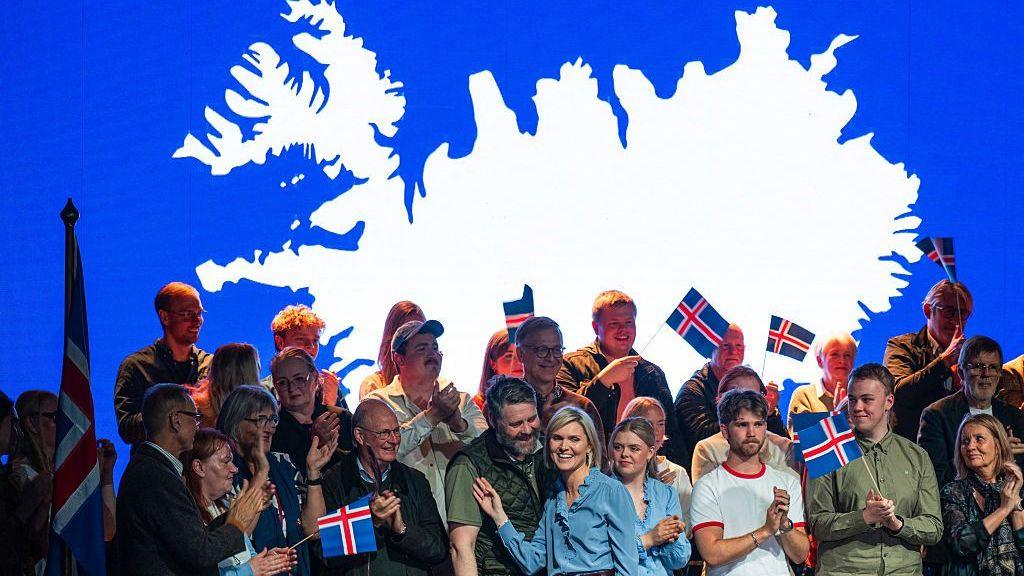
A national referendum on EU membership is scheduled for Saturday in a country of less than 400,000 people.
Across the Atlantic Ocean, cod and haddock arrive in Reykjavik factories wearing safety hairnets and bright blue overalls, then are sliced into fillets destined mainly for European buyers. Those fish form a large fraction of Iceland’s exports and are at the centre of the political debate.
Supporters argue EU membership would calm the value of the Icelandic króna, ease trade rules and enable the nation to adopt the euro, potentially lowering the cost of goods for everyday citizens.
Opponents fear that the EU’s common fisheries policy would force Iceland to share its revered waters and hand over decision‑making power that has been wielded locally for decades.
Polling figures are staying close with the Yes side narrowly ahead at 51 percent against 49 percent. Scholars note that a second referendum would be needed to finalise any membership deal, and that the slim margin makes the outcome uncertain.
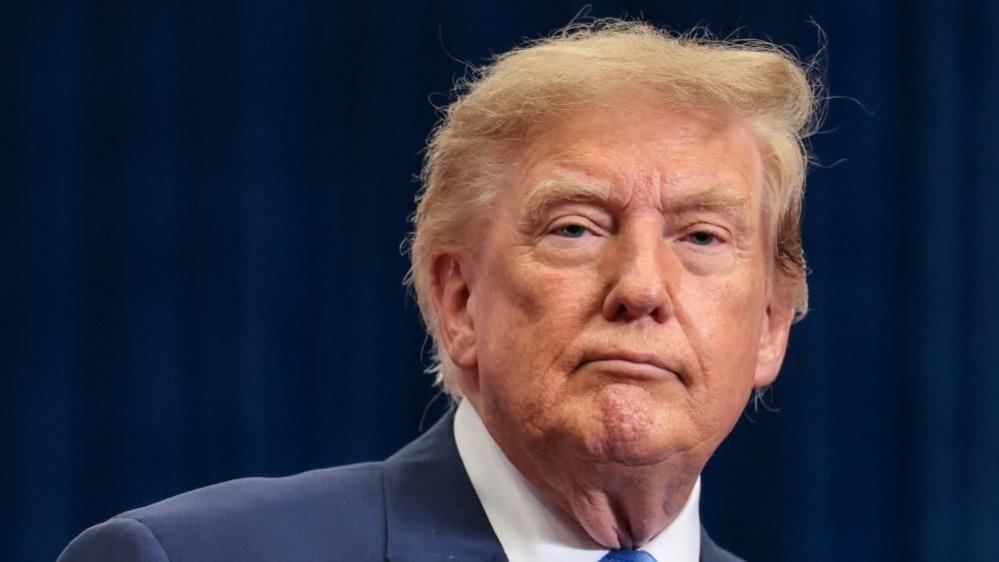
Geopolitical tensions add urgency to the vote. Russian naval vessels have entered Icelandic waters, northern Norway is negotiating its own EEA extension, and former U.S. President Donald Trump has repeatedly expressed an intention to acquire Greenland – a move Iceland considers a threat to its security and autonomy.
The Icelandic government has promised a “special arrangement” that would carve out exemptions for fisheries and agriculture. It points to similar agreements negotiated by Norway in 1994 and by Finland and Sweden for farms in the North.
High inflation and steep mortgage rates have pushed the cost of living for many residents into critical levels. Young voters fear that joining the EU would not change the heavy financial burden of buying a home.
Should the Yes vote win, ministers say talks with Brussels will resume immediately, with 11 of the 35 negotiation chapters already completed. The result will be watched closely by neighbouring Norway and by the European Union, which sees a new member from Iceland as a valuable opportunity to strengthen the North Atlantic alliance.
The referendum marks a turning point for Icelandic policy and identity: whether the fishing nation will trade its independence for economic gains and security benefits remains to be decided on Saturday.