In brief
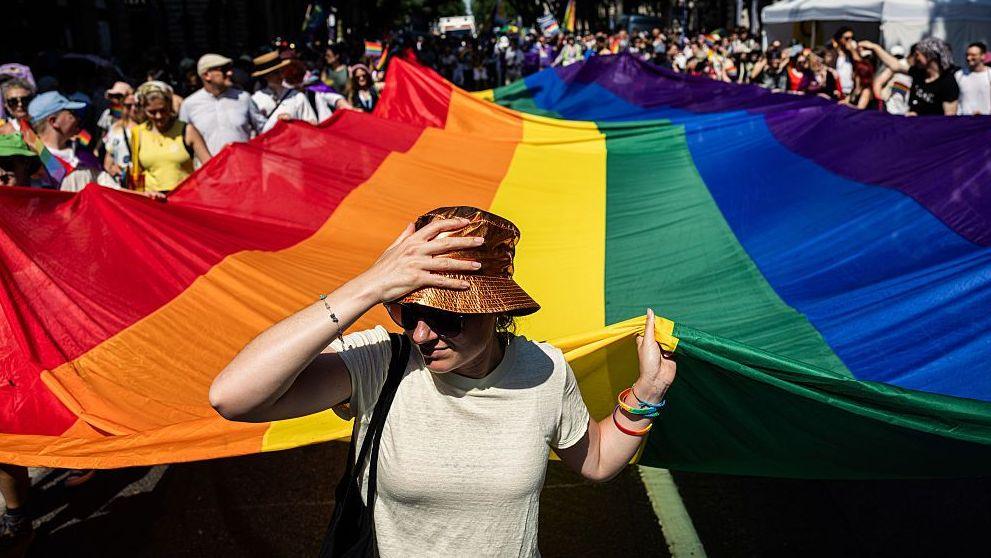
Hungary’s new government has overturned the 2021 child‑protection law that prohibited the portrayal or promotion of homosexuality and transgenderism, a key reform after Viktor Orbán’s tenure. The move is seen as a major step toward normalising LGBTQ rights and reflects the Tisza administration’s commitment to dismantle Orbán-era legislation. While the law’s repeal has been welcomed by activists, calls for broader reforms—such as legal recognition for same‑sex marriage and adoption rights—continue. The parliament’s decision coincided with the unlocking of €4.2bn in EU funds that had been frozen during the previous government’s rule. Despite the progress, opposition parties have criticised the new amendments as insufficient and remain wary of further liberal changes.
Hungarian parliament has voted to amend child protection laws, scrapping measures that stigmatise gay and transgender people.
The 2021 Child Protection Law, passed by then‑Prime Minister Viktor Orbán, had banned the “portrayal or promotion of homosexuality or transgenderism”.
Since Orbán’s April election defeat, the Tisza government has been working to dismantle the previous government’s legacy.
Minutes after Tuesday’s vote, Budapest said the EU had agreed to release €4.2bn in funds frozen in the last years of the Fidesz government.
The European Commission said last month that the Magyar government had addressed rule‑of‑law breaches and urged unlocking the funds and readmit Hungary to Erasmus+ and Horizon Europe.
The 2021 law also affected education and the right of assembly, casting a wide net over civil life.
The new government’s Tisza party holds the same two‑thirds majority that Orbán’s Fidesz once did, bundling the reforms as a package to unravel the prior legislation.
Tamás Dombos of the civil‑rights group Háttér told reporters of the five years spent fighting the child‑protection law, noting that most of the issues in the draft bill had now been fixed.
Both the Fidesz and Tisza administrations used child protection as a political tool, the former to promote a moral crackdown on LGBTQ people, the latter to soften the law without fully embracing equality.
Activists welcomed the repeal but called for further reforms, including recognition of same‑sex marriage, adoption rights for same‑sex couples, and the restoration of name‑change rights for transgender citizens.
Fidesz and its sister party, the Christian Democrats, opposed the new amendments, stating that “there is no place for the promotion of LGBTQ content in schools or the media.”