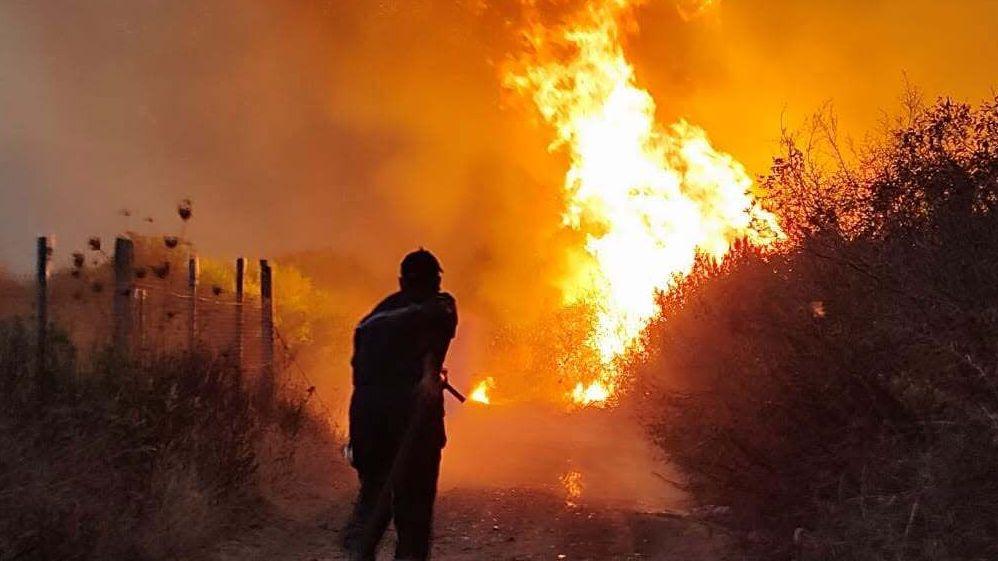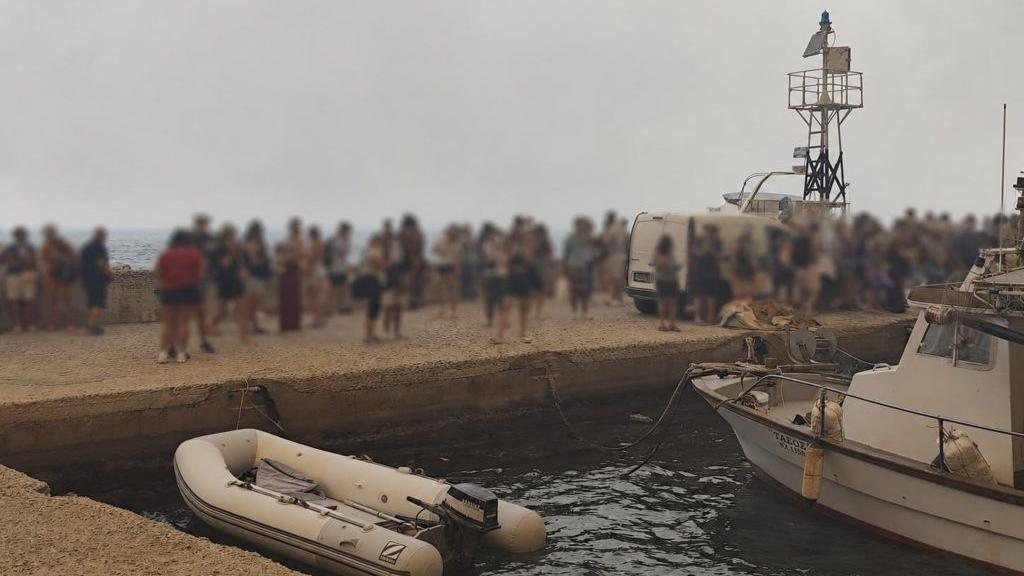
Hundreds—most of them tourists—are evacuating by sea from the coastal town of Agios Vasileios in central Greece after a wildfire broke out Monday morning, trapping residents amid raging flames and high winds.
The blaze, the latest in a series of blazes that have afflicted Greece, Portugal, Spain, and Turkey this summer, spread swiftly, forcing emergency crews to drag people onto boats and clearing the beachside marina as flames licked the shoreline.
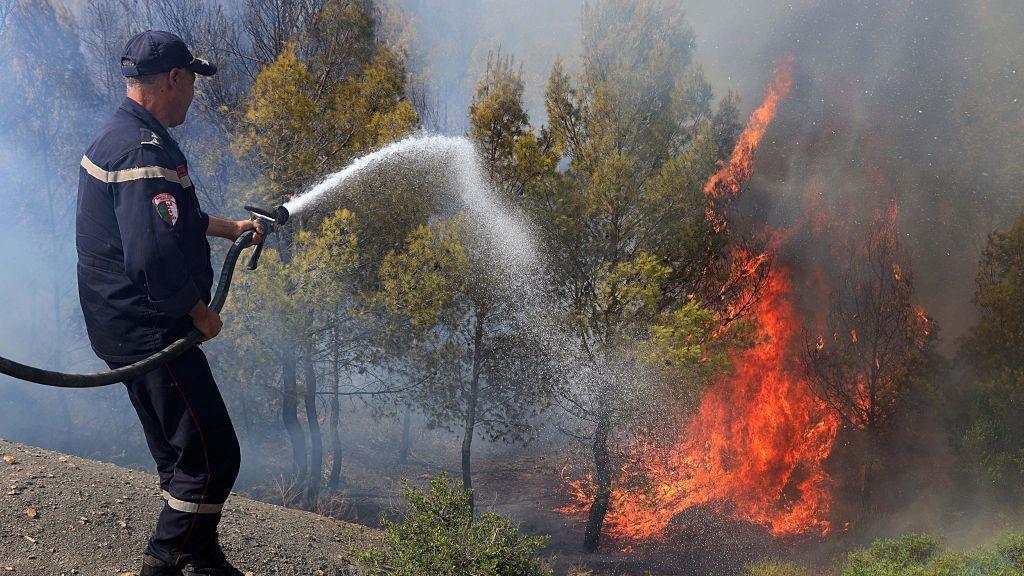
Firefighters also battled a large inferno on the island of Crete, where thousands had already been evacuated, and crews fought eruptions on the islands of Paros, Andros and Kalymnos.
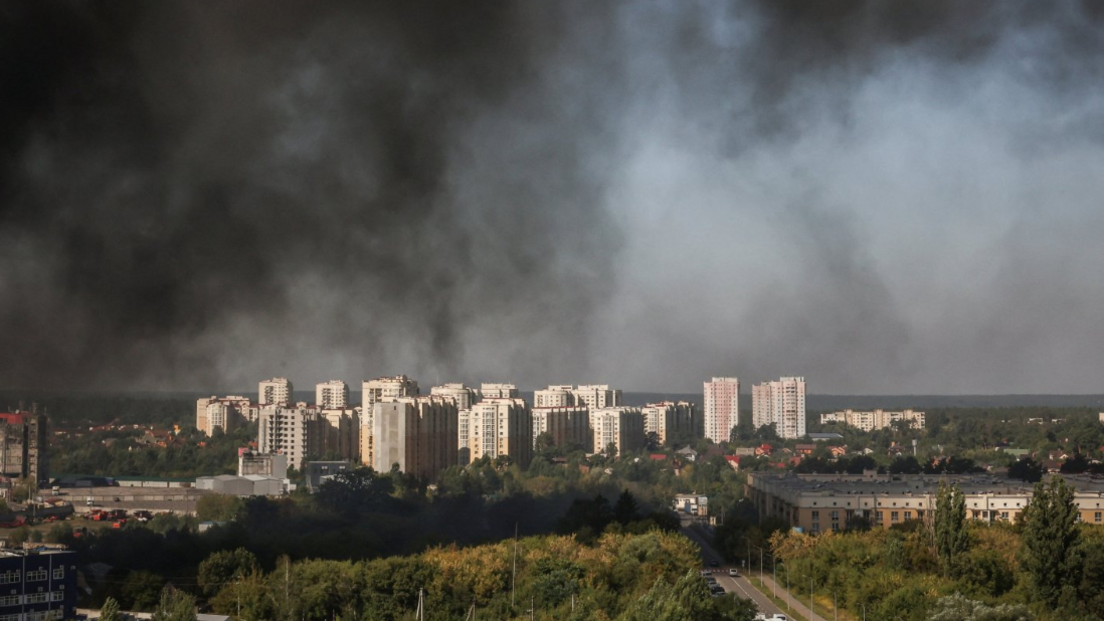
Across Europe, the hottest, driest months of 2026 have turned much of the continent into tinder, with Spain recording over 200,000 hectares scorched so far this year, and Portugal’s northern vineyards still suffering a 15,000‑hectare blaze near Valpaços.
Officials warn the risk of outbreaks remains high until at least Sunday, as heatwaves continue to ignite new fires and reignite old smoldering hotspots.
Most wildfires are sparked by accidental or intentional human activity, but climate change amplifies the conditions that allow them to grow rapidly, turning ordinary landscapes into dangerous blazes.