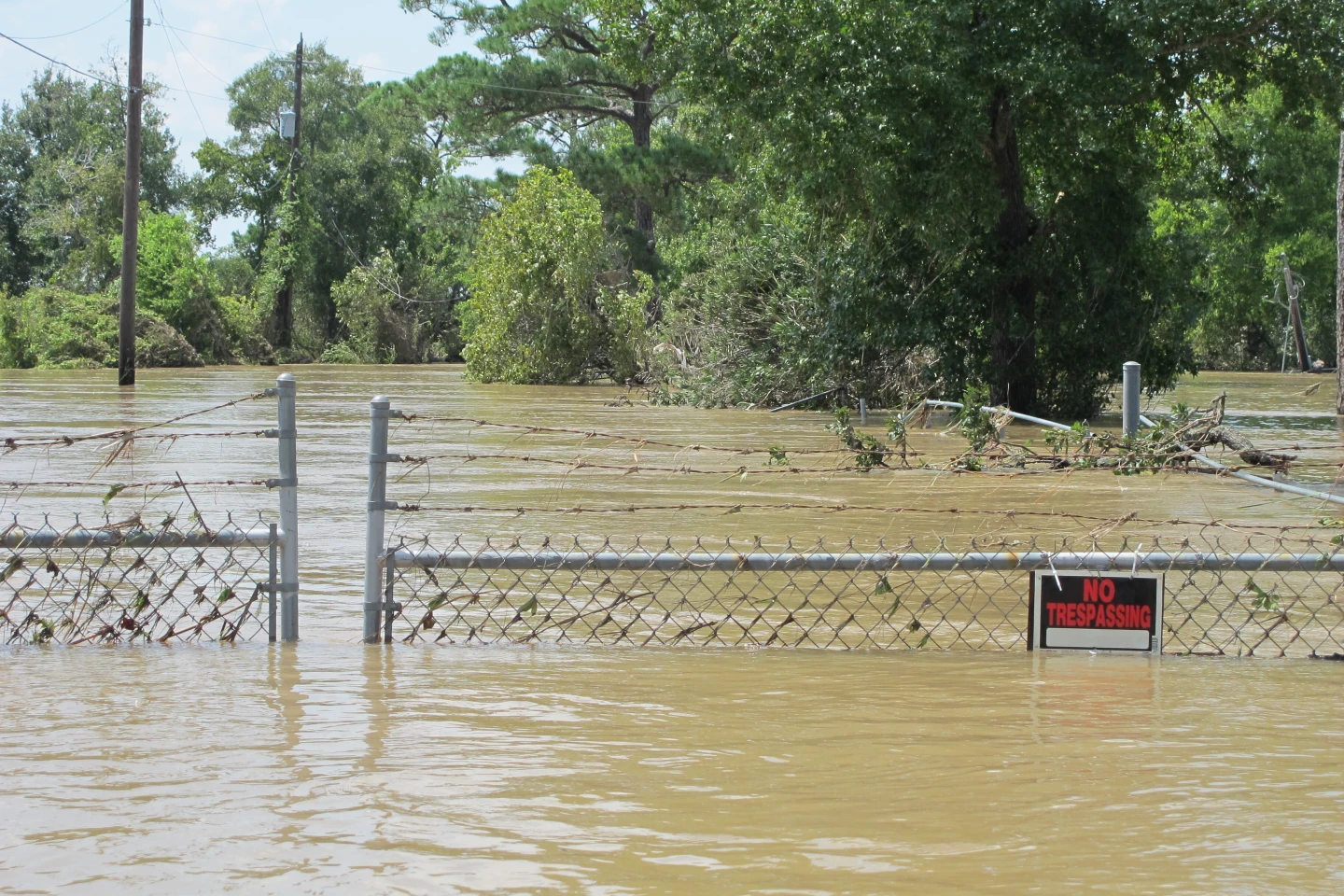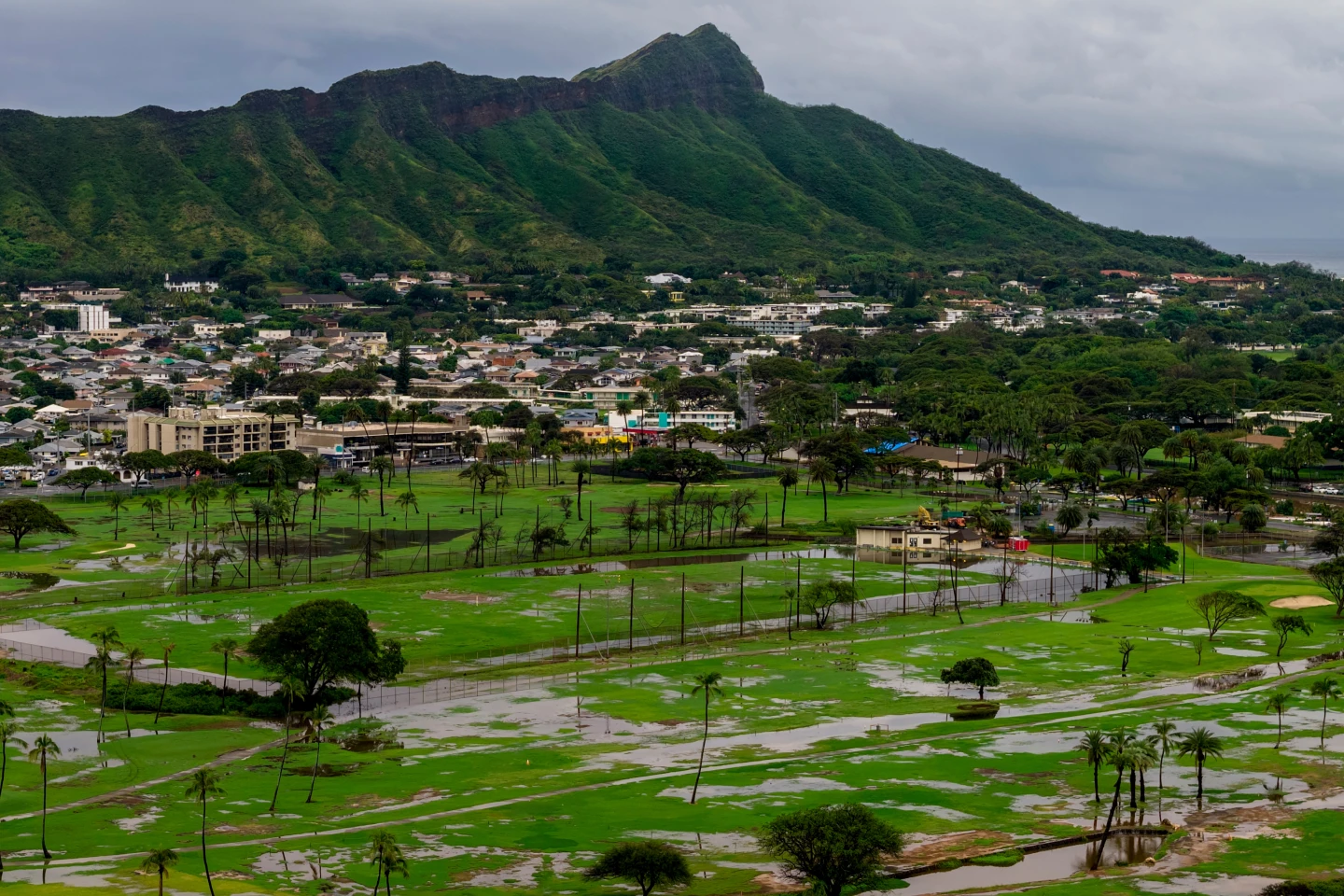
More than 2,000 residents remained without power on Sunday afternoon as Hawaii faced what has been described as its worst flooding in over two decades. Heavy rains inundated the islands, following earlier downpours from a winter storm a week ago, leading to widespread devastation.
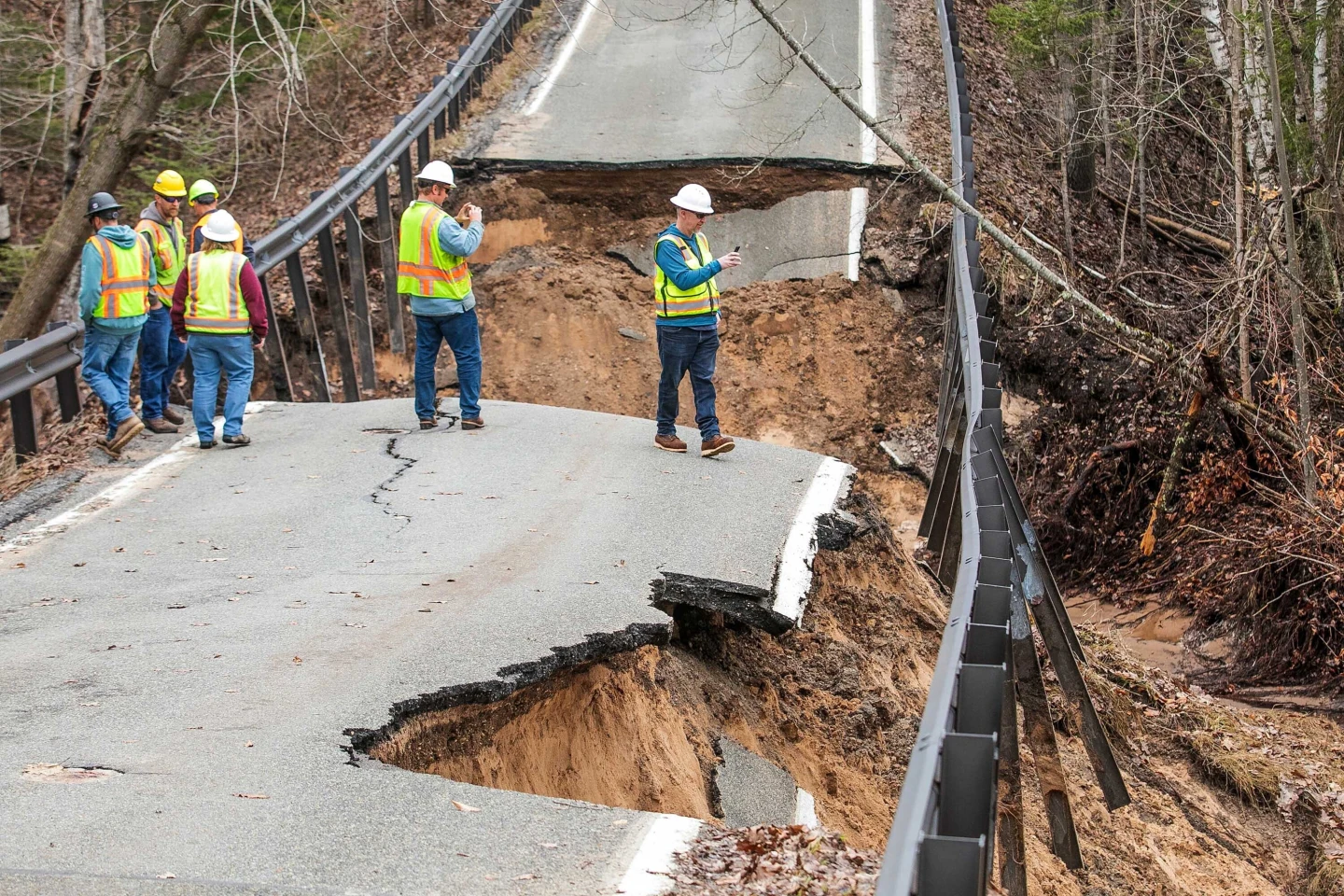
The deluge caused considerable damage, with estimates suggesting costs could surpass $1 billion as raging waters swept away homes and vehicles. Emergency evacuation orders were issued for approximately 5,500 individuals north of Honolulu, though these have since been lifted. Fortunately, no fatalities have been reported.
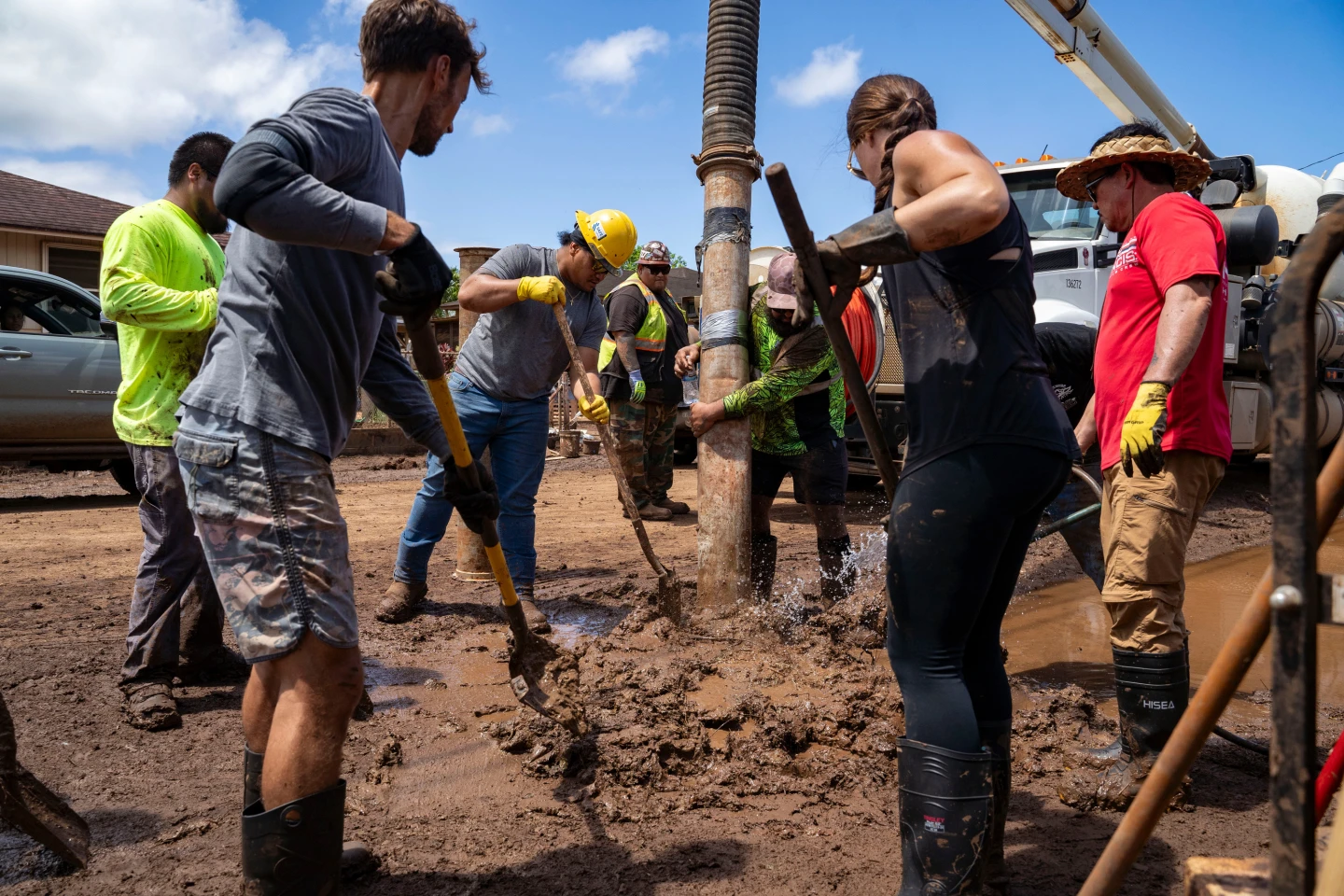
Hawaiian Electric managed to restore power to roughly 1,200 customers in Waialua, on the North Shore of Oahu, by Sunday afternoon. Crews are still assessing damage and making repairs, with expectations to bring electricity back to 2,000 more customers by the end of the day. Meanwhile, in Maui County, around 100 customers remained without service, but all significant outages on Hawaii Island have reportedly been resolved.
Hawaii meteorologist Matthew Foster indicated that the most intense storms appear to have subsided, shifting from widespread showers to isolated rain showers across Oahu, Maui County, and the Big Island. Less than 5 inches of additional rainfall is anticipated, largely in regions accustomed to handling such moisture. However, residents were advised to remain vigilant for isolated flooding occurrences.
A boil water advisory remains in effect for North Shore areas from Mokuleia to Turtle Bay as precautionary measures are implemented. Governor Josh Green disclosed that damages from the storm could include substantial harm to state infrastructure such as airports, schools, roads, and homes, including a hospital facility in Kula. Concerns over the stability of the 120-year-old Wahiawa dam have eased somewhat, as water levels have notably receded, but the structure will continue to be monitored closely.
The recent winter storm systems, commonly referred to as “Kona lows,” are known for delivering moisture-laden air to Hawaii, leading to the severe flooding over recent weeks, a situation many experts link to increasing climate effects due to global warming.